

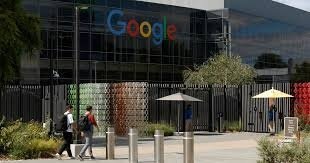
The face of the American blue-chip market just got a major digital upgrade. On Monday, June 29, 2026, Google’s parent company, Alphabet (trading under its Class A ticker, GOOGL), officially made its debut on the historic 30-stock Dow Jones Industrial Average.
Alphabet took the spot previously held by telecommunications veteran Verizon Communications, marking a significant milestone in the index’s ongoing shift toward high-growth technology, cloud computing, and artificial intelligence.
Here are the key takeaways from this historic market reshuffle:
-
Instant Market Impact: Alphabet shares climbed 3.7% to $350.24 on its first day, providing an immediate boost to the index. Because the Dow is a price-weighted index (meaning higher-priced stocks carry more weight), Alphabet instantly became a far more influential member than Verizon, which previously made up less than 1% of the index due to its lower share price.
-
The “Magnificent Seven” Domination: With Alphabet’s arrival, five of the seven US tech mega-cap giants—Nvidia, Amazon, Apple, Microsoft, and now Alphabet—are officially Dow components.
-
End of a Telecom Era: Verizon’s exit marks the departure of the Dow’s last traditional telecom carrier utility, showing how index managers now view modern internet giants as the true backbone of communication infrastructure.
-
Symbolism Over Scale: While the news is a massive badge of honor for Alphabet, its actual day-to-day investing impact will be relatively modest. Roughly $115 billion in passive assets track the Dow, which is just a tiny fraction of the nearly $20 trillion tied to the broader S&P 500 (where Alphabet has long been a heavyweight).
This transition underscores a broader modernization trend for the 130-year-old index, which has swapped out seven of its 30 components since 2020 to better mirror the modern, tech-driven US economy.
