

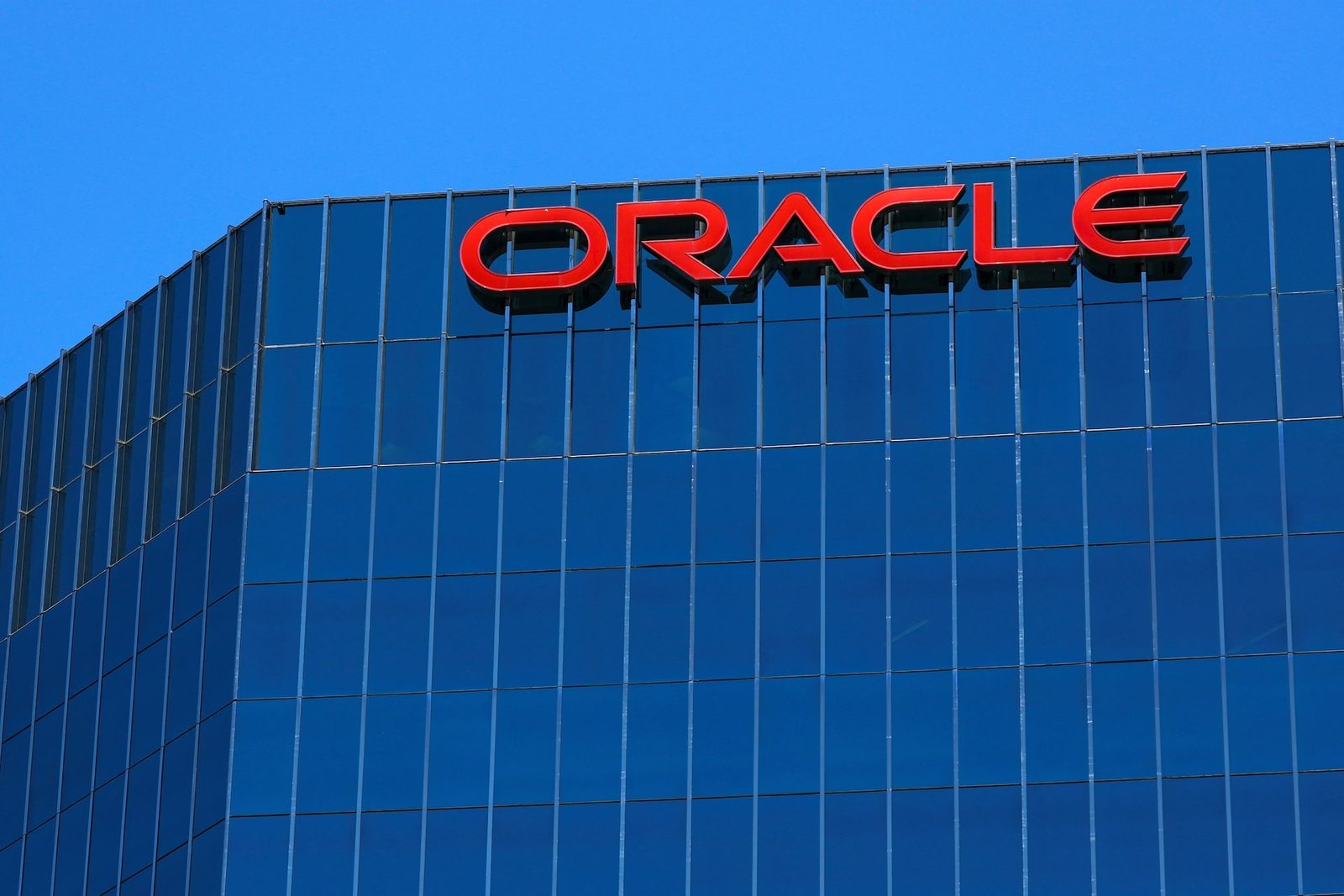
The “AI gold rush” faced a significant reality check today as shares of Oracle and CoreWeave tumbled, leading a broader selloff in artificial intelligence stocks. The catalyst was a report from the Wall Street Journal indicating that OpenAI, the creator of ChatGPT and the industry’s primary growth engine, has missed internal targets for both user expansion and revenue in recent months.
The news has sent ripples through the entire AI infrastructure ecosystem, as investors begin to question whether the massive capital expenditure on data centers will yield the expected returns.
The OpenAI “Miss” & Its Ripple Effect
OpenAI’s CFO, Sarah Friar, reportedly expressed concerns to leadership regarding the company’s ability to fund its massive computing contracts if revenue growth doesn’t accelerate. This has a direct impact on its primary infrastructure partners:
-
Oracle (ORCL): Shares dropped 3.4% (and over 7% in pre-market). Oracle recently signed a landmark $300 billion, five-year deal to provide cloud computing power to OpenAI. Investors are now fretting over the funding and sustainability of this contract.
-
CoreWeave: The Nvidia-backed cloud provider saw its shares slide 2.8% (following a 7.4% pre-market dip). Just last month, CoreWeave signed a $11.9 billion deal with OpenAI.
-
SoftBank & Arm: Japan’s SoftBank Group closed down nearly 10% in Tokyo, while Arm Holdings shed over 8%. SoftBank has heavily leveraged its Arm stake to fund a planned $22.5 billion investment in OpenAI.
Why Markets are Spooked
The selloff isn’t just about two companies; it represents a shifting sentiment toward the “AI Bubble” narrative.
| Indicator | Impact | Market Concern |
| User Growth | Missed Targets | Is the consumer/enterprise market for LLMs reaching early saturation? |
| Compute Spending | High Scrutiny | Will OpenAI be forced to “pull back” on hardware orders from Nvidia and Oracle? |
| Competition | Rising Pressure | Gains by rivals like Google Gemini and Anthropic’s Claude are starting to eat into OpenAI’s market share. |
Institutional Reaction
Market experts are divided on whether this is a healthy correction or a structural peak.
“We see this from time to time… when an AI heritage company sells off, it causes a ripple effect across the board, regardless of whether it’s warranted or not.”
— Todd Schoenberger, CIO at CrossCheck Management.
The Silver Lining: A Strategic Shift
Amidst the selloff, a major shift in the Microsoft-OpenAI partnership was revealed. Microsoft has reportedly renegotiated its pact to no longer be the exclusive seller of OpenAI models. While this sounds negative, it allows OpenAI to forge new deals with Microsoft’s rivals, potentially opening new revenue streams to bridge their current funding gap.
The Bottom Line: While the long-term potential of AI remains, the “spend now, monetize later” model is under the microscope. For investors, the focus is shifting from “who has the most GPUs?” to “who has the most paying customers?”
