

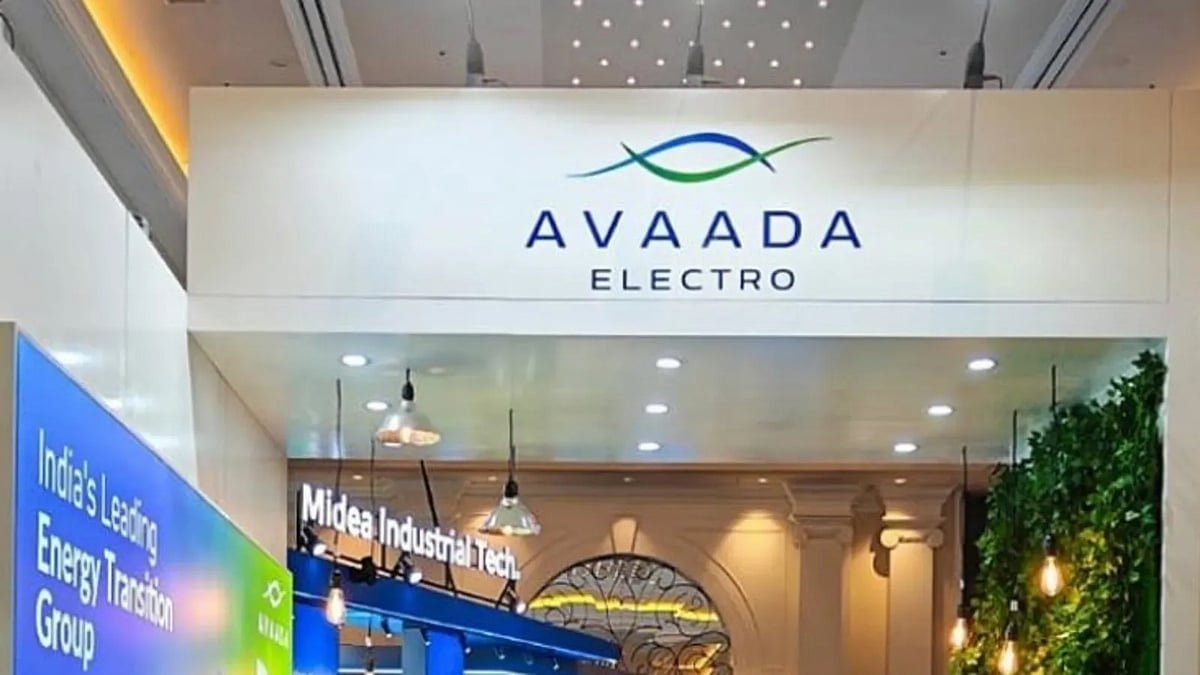
Indian clean energy pioneer Avaada Group has successfully secured a massive $950 million (approx. ₹7,900 crore) financing package from a consortium of premier global and domestic banking institutions. The capital injection marks one of the largest single renewable energy debt mobilizations in the country’s clean-tech sector, aimed directly at fast-tracking the company’s utility-scale green projects.
Fueling the Clean Energy Pipeline
The newly raised capital will be deployed across several strategic verticals to scale Avaada’s generation and manufacturing footprints:
-
Utility-Scale Solar & Wind: Accelerating the construction of multi-gigawatt solar and wind energy farms across resource-rich states like Rajasthan, Gujarat, and Maharashtra.
-
Green Hydrogen Infrastructure: Backing the early-stage development of the group’s ambitious green hydrogen and green ammonia production facilities, positioning Avaada to tap into both domestic and export markets.
-
Back-End Integration: Supporting integrated solar cell and module manufacturing capacity to shield its project execution pipeline from global supply chain disruptions.
Institutional Trust and the Funding Mix
The $950 million facility features a highly structured blend of long-term project debt and flexible corporate lines. The fundraising consortium includes prominent domestic public and private sector giants alongside top-tier international development finance institutions (DFIs) and commercial banks.
The massive oversubscription of this debt package underscores strong global institutional confidence in Avaada’s operational track record, execution capabilities, and robust power purchase agreements (PPAs) signed with central agencies like SECI and various state utilities.
Decarbonizing India’s Grid
This massive capital close comes at a critical juncture as India aggressively targets 500 GW of non-fossil fuel power capacity by 2030. By locking in competitive, long-term financing amid a volatile global interest rate environment, Avaada has significantly de-risked its immediate project pipeline, cementing its status as a frontrunner in India’s rapid transition toward sustainable, utility-scale power generation.
