

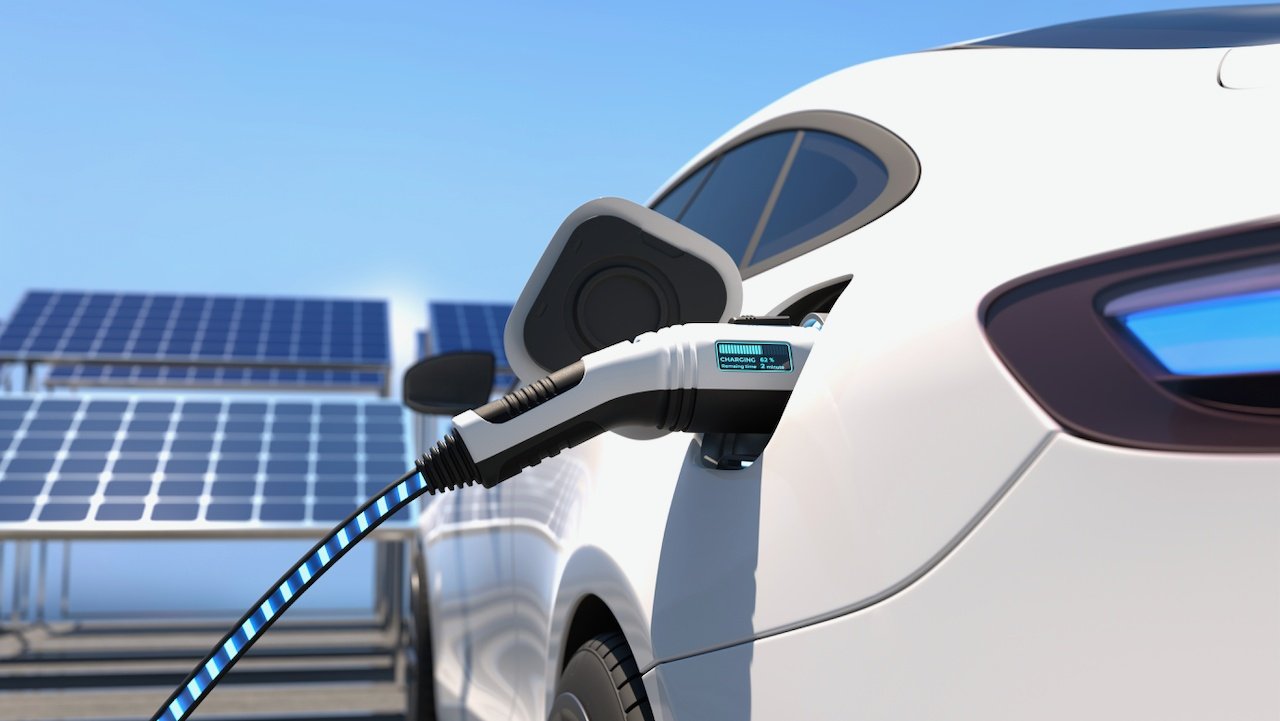
Standard Internal Combustion Engine (ICE) motor insurance falls short when protecting electric vehicles (EVs). While a comprehensive insurance policy covers basic accidents, theft, and third-party liabilities, an EV’s most expensive components require tailored coverage.
Because an EV’s battery alone accounts for 40% to 60% of its total value, standard policies leave massive financial blind spots. To fully safeguard an electric vehicle, owners must look toward specialized add-ons like ‘EV Shield’ and understand the specific risks associated with electric mobility.
Key Add-Ons Every EV Owner Should Consider
Standard policies often treat an EV like a regular vehicle, exposing owners to steep out-of-pocket expenses during a claim. EV owners should opt for key add-ons to ensure complete financial protection:
-
EV Shield: Crucial for protecting high-cost hardware. It covers the battery pack, electric motor, power electronics, and charging equipment (including home wall chargers and cables) against short circuits, power surges, water ingress, and accidental damage.
-
Zero-Depreciation Cover: Essential to avoid paying out-of-pocket. Without this cover, insurers can apply up to 50% depreciation directly on the battery during repairs or replacement.
-
24/7 Roadside Assistance: Provides specialized support, such as mobile charging units or emergency battery-swapping services, if stranded with a fully depleted battery.
-
Return to Invoice (RTI): Guarantees a payout of the vehicle’s full original invoice value rather than the depreciated market rate in the event of a total loss or theft.
-
Consumables & Tyre Protect: Covers minor recurring costs (like coolants and brake fluids) and protects against premature or accidental tyre damage.
Navigating IDV and Own-Damage Premiums
Properly setting up policy parameters prevents major shortfalls during claims processing:
1. Getting the Insured Declared Value (IDV) Right
A frequent mistake made by buyers is accepting an IDV calculated purely on the ex-showroom price. For EVs, the IDV must reflect the on-road price minus standard depreciation, ensuring the battery’s full replacement value fits inside the overall cover. Lowering the IDV reduces the premium slightly, but leaves a massive payout deficit if a major component fails.
2. High Own-Damage (OD) Premiums
While EVs enjoy roughly a 15% discount on third-party insurance, their Own-Damage (OD) premiums run 20% to 40% higher than standard petrol or diesel vehicles. This difference stems from repair costs: a minor underbody collision that dents the battery casing can necessitate a complete, high-cost battery replacement rather than a minor body panel repair.
Essential Monsoon Guidelines & Common Pitfalls
Flood damage is a major concern for EV owners during rainy seasons. While comprehensive policies generally cover natural inundation, fallen trees, and water-related accidents, claims can easily be rejected due to user error:
-
Exceeding Approved Wading Depth: Insurers enforce strict wading limits (e.g., 150 mm). Attempting to drive through water deeper than the vehicle’s limit invalidates the policy cover.
-
Attempting to Restart a Stalled EV: The single biggest error owners make is trying to restart a vehicle stalled in floodwater. This can cause a hydrostatic lock or severe electrical short, which insurers classify as an avoidable consequential loss rather than direct accidental damage.
Crucial Rule: If an EV stalls in deep water, turn off the ignition immediately. Leave the vehicle untouched and call for a flatbed tow directly to an authorized workshop for professional inspection.
Avoiding Claim Rejections
Beyond flood risks, EV owners must follow strict operational procedures to keep their policy active:
-
Follow OEM Guidelines: Always adhere strictly to original manufacturer charging and maintenance schedules.
-
Avoid Unauthorized Repairs: Never attempt third-party mechanical or electrical repairs. EV technology requires specialized repair networks, and uncertified work voids both the manufacturer warranty and the insurance policy.
