

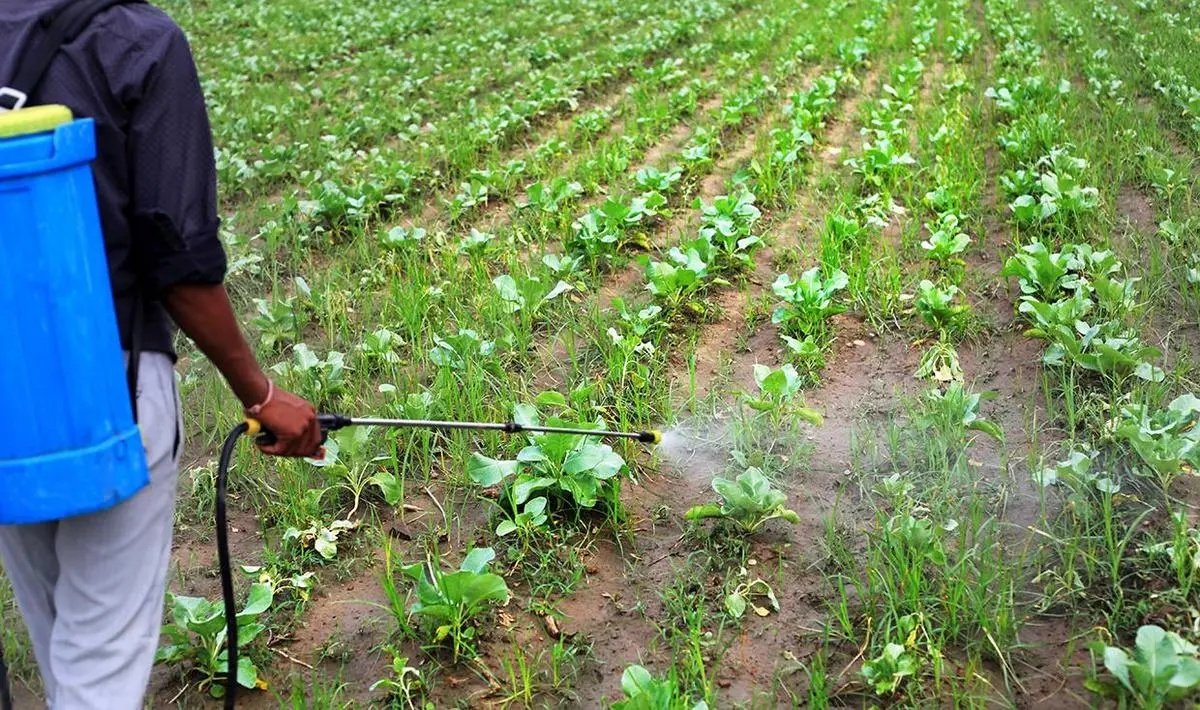
As the Union Agriculture Ministry prepares to table the new Pesticides Management Bill (PMB) in the next Parliament session, industry body CropLife India has made a formal appeal for a five-year regulatory data protection (RDP) window. The organization, which represents 70% of the domestic pesticide industry, argues that without these protections, India will continue to lag behind global standards in agricultural technology.
The Core Demand: Regulatory Data Protection (RDP)
CropLife India is seeking a five-year time-bound framework for data exclusivity starting from the date of a product’s first registration.
-
The Problem: Under the current Insecticides Act of 1968, there is no protection for the massive amounts of safety, efficacy, and environmental data companies must generate to register a new molecule.
-
The Risk: Without RDP, competitors can use an innovator’s data to register generic versions almost immediately. This prevents original developers from recovering their R&D investments, leading them to withhold newer, safer technologies from the Indian market.
-
Global Comparison: India’s proposed 5-year window is modest compared to international peers:
-
European Union / USA / Brazil: 10 years
-
China: 6 years
-
Economic and Agricultural Impact
The lack of modern pesticide molecules has direct consequences for Indian food security and trade:
-
Crop Loss: India loses between 10% and 35% of annual crop output to pests—an economic hit exceeding ₹2 lakh crore every year.
-
Outdated Tech: Of the 338 molecules registered in India, many are 30 to 40 years old. Newer chemistries are more targeted, require lower doses, and are more effective against evolving pest resistance.
-
Export Hurdles: Stricter residue norms in the EU and UK are threatening Indian exports. For example, 40 million kg of premium tea exports from Assam are currently at risk due to exposure to older, non-compliant chemicals.
Additional Regulatory Recommendations
Beyond data protection, CropLife India highlighted several “red flags” in the draft Bill:
-
E-commerce Loopholes: Currently, online platforms selling pesticides are not required to verify seller credentials or obtain licenses, creating a gateway for spurious and illegal products to reach farmers.
-
Emergency Bans: The group raised concerns over provisions that could turn a “temporary” emergency ban into a permanent one without scientific evidence, a shift from the 60–90 day limit in the current 1968 Act.
-
Corporate Liability: The industry seeks a model similar to the Food Safety and Standards Act (2006), where only “nominated responsible persons” are held liable for violations, rather than the indiscriminate prosecution of directors with no operational links to the incident.
Expert Endorsements
The call for data protection isn’t new; it has been backed by several high-level committees over the years:
-
Satwant Reddy Committee (2007): Recommended 3 years of exclusivity to honor TRIPS obligations.
-
Dalwai Committee (2018): Endorsed RDP as a vital tool to attract investment and double farmers’ income.
The Bottom Line
The industry’s message to the government is clear: for Indian agriculture to remain competitive and sustainable, the new Pesticides Management Bill must transition from an “administrative” focus to a “science-based” one that incentivizes innovation while protecting the end user from illegal trade.
