

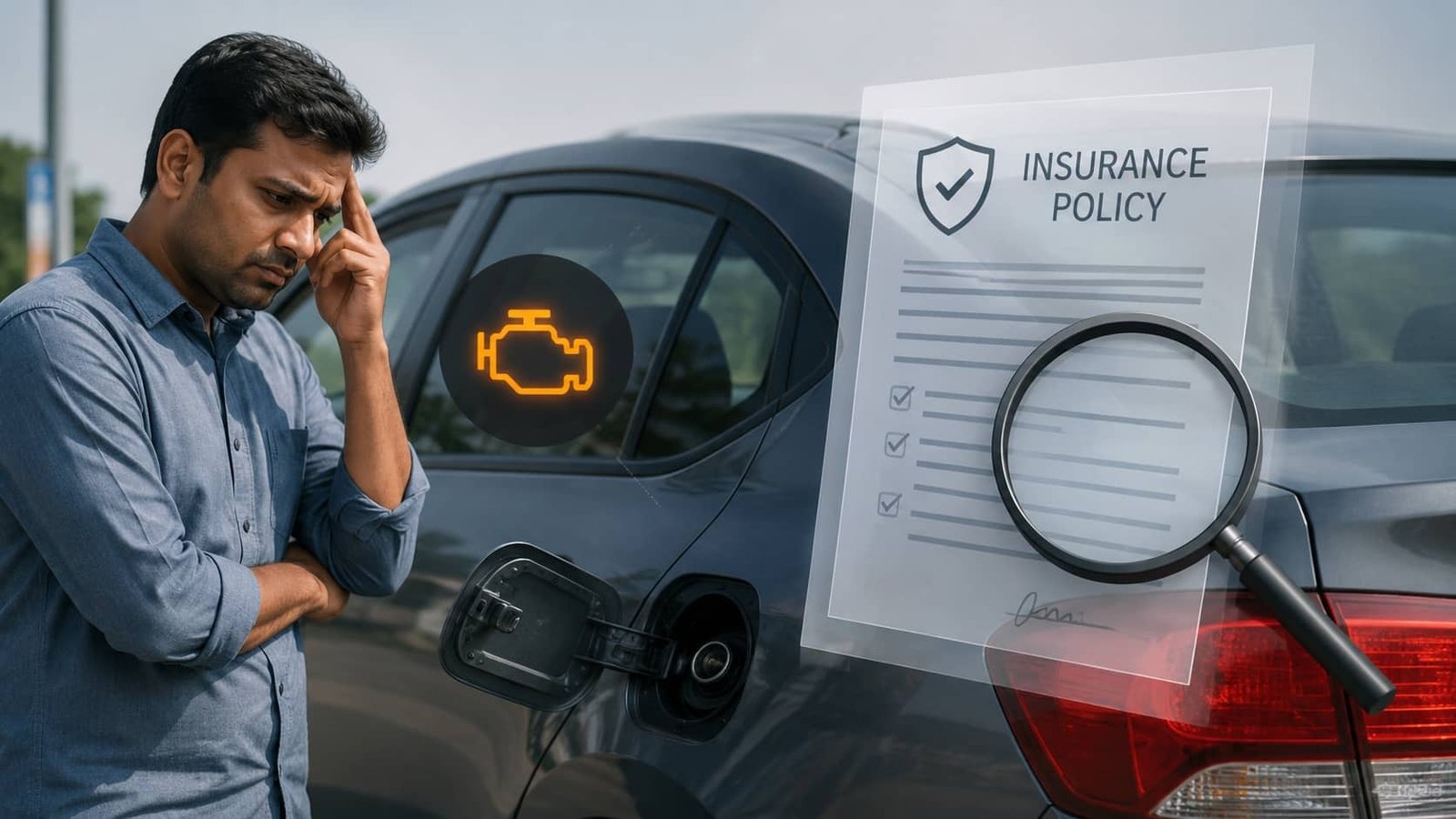
With E20 petrol (a blend of 20% ethanol and 80% petrol) now the standard fuel across India, owners of older or non-E20-compliant vehicles are increasingly concerned about potential engine damage, fuel line corrosion, and component wear.
The short answer: Standard car insurance will likely deny claims for damage caused by using E20 fuel in an incompatible vehicle.
Why Insurance Claims Get Rejected
Insurance policies are designed to protect against accidental, sudden, and unforeseen losses (e.g., collisions, floods, theft, or fire). They explicitly exclude damage resulting from:
-
Improper Maintenance or Operation: Filling a vehicle with fuel it wasn’t engineered to run on is categorized as operational negligence or misfueling.
-
Gradual Wear and Tear: Ethanol absorbs moisture, which can degrade rubber hoses, seals, and fuel injectors over time. Insurers treat this as gradual corrosion rather than an accidental event.
-
Manufacturer Guideline Violations: Insurers require vehicle owners to adhere to the manufacturer’s operational instructions. If the owner’s manual specifies a maximum blend limit (e.g., E10) and E20 causes engine failure, the claim is typically voided.
How to Protect Your Vehicle & Wallet
| Prevention Steps | Why It Matters |
| Check Compliance | Look for the E20/E10 label near your fuel cap or consult your car manual to confirm your engine’s ethanol blend limit. |
| Consider Add-Ons | Standard Comprehensive policies exclude engine damage. Look into specialized Engine Protect Add-Ons or Misfueling Cover, though you should confirm with your insurer whether ethanol-related damage is covered. |
| Regular Maintenance | Have rubber lines, fuel injectors, and seals inspected frequently if driving an older, non-compliant model. |
Key Takeaway: Insurance is a safety net for accidents, not a fallback for fuel incompatibility. If your car is not certified for E20, consult your vehicle manufacturer or authorized service center on recommended maintenance modifications to prevent long-term engine damage.
