

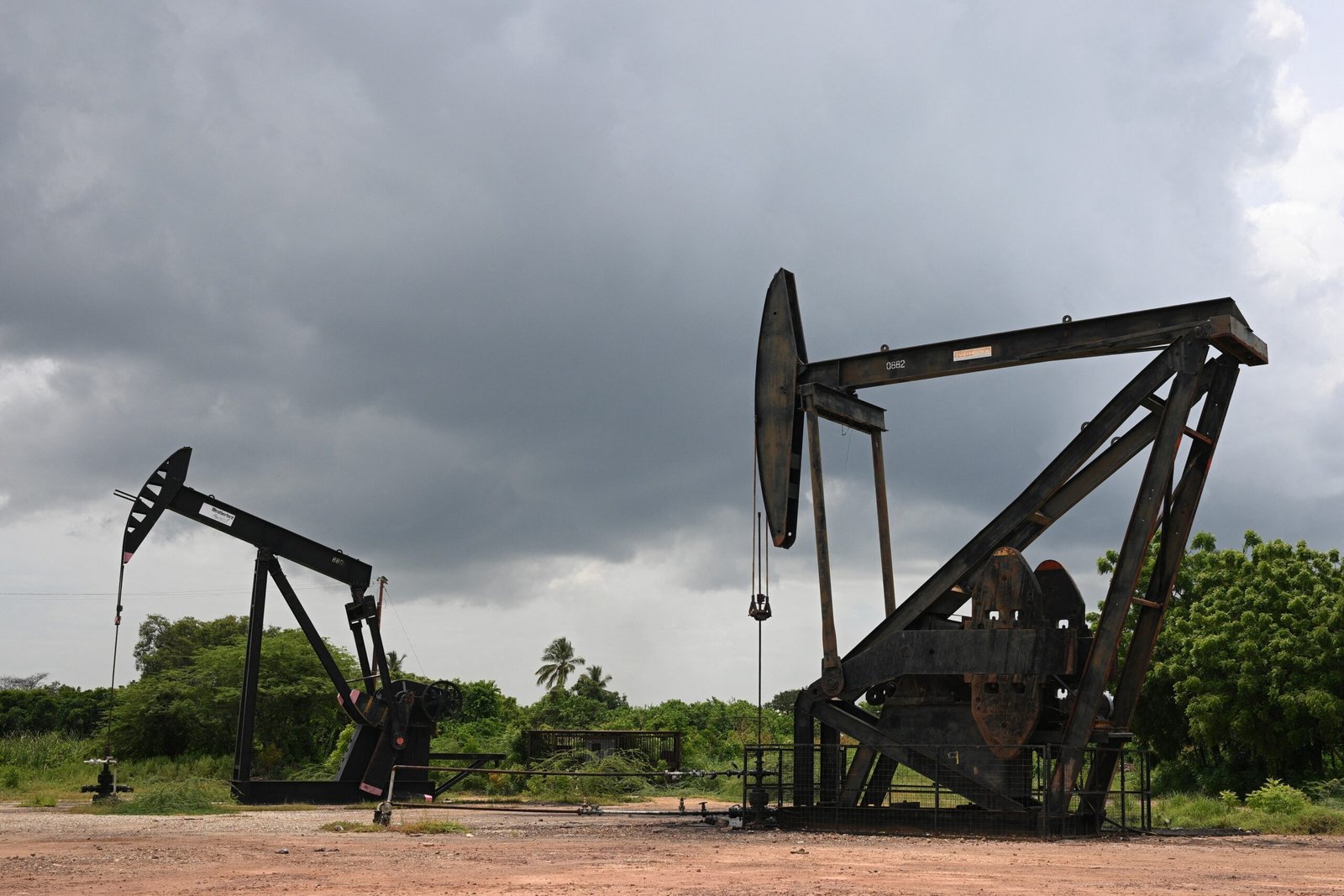
In a strategic bid to reverse years of dwindling production, the Venezuelan government is set to award Chevron Corp. two additional oil fields in Western Venezuela. The move, expected to be formalized as early as Monday, signals a significant deepening of the U.S. major’s role in the nation’s energy recovery.
A Critical Partnership
Chevron has maintained a presence in Venezuela for over a century, outlasting many other foreign firms. This latest agreement reinforces their unique position as a vital bridge between Venezuela’s vast reserves and the global market.
-
Current Impact: Chevron’s joint ventures are already responsible for nearly 25% of Venezuela’s total oil output.
-
Targeted Growth: The new fields in the Western region are part of a broader push to modernize infrastructure and jumpstart production through foreign expertise.
Why This Matters
| For Venezuela | For Chevron |
| Capital Influx: Provides essential investment to repair aging facilities. | Expanded Footprint: Increases its share in one of the world’s largest oil-reserve holders. |
| Technical Expertise: Gains access to modern drilling and extraction technologies. | Operational Continuity: Strengthens its century-long foothold in a strategic region. |
| Economic Stability: Higher output translates to much-needed national revenue. | Market Leverage: Positions the firm as the primary Western operator in the country. |
The Big Picture
The awarding of these fields highlights a pragmatic shift in Caracas, favoring partnerships with established global leaders to stabilize its primary industry. While the geopolitical landscape remains complex, this deal underscores a mutual interest: getting more Venezuelan oil back into the global supply chain via one of the world’s most recognizable energy brands.
The Bottom Line: By doubling down on Chevron, Venezuela is opting for a “tried and tested” partner to navigate its energy sector out of a long-standing slump.
