

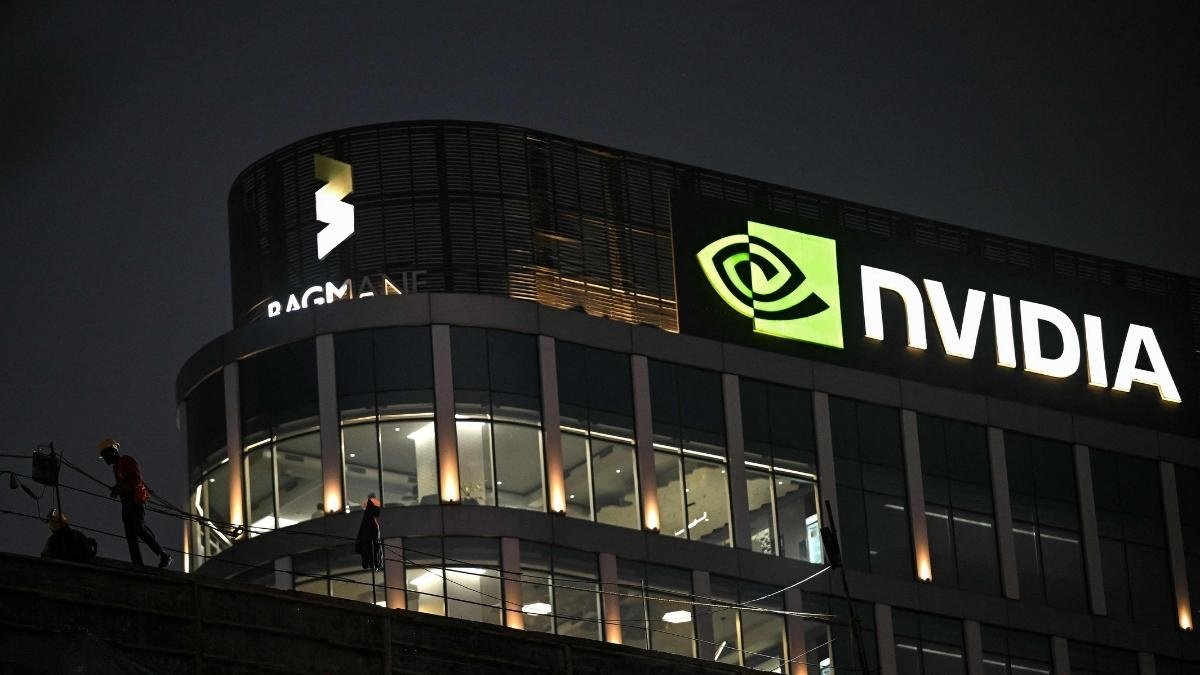
Nvidia, currently the world’s most valuable company and the dominant force in AI hardware, has officially denied rumors that it was planning to acquire a major PC manufacturer. The denial comes after a wave of speculation sent shockwaves through the tech sector and sparked a temporary rally for industry giants.
The Spark: A Year-Long Negotiation Rumor
The volatility began following a report claiming that Nvidia had been in secret negotiations for over a year to buy out a leading PC maker. The prospect of Nvidia—the “brain” behind the AI revolution—directly owning a hardware distribution powerhouse like Dell Technologies or HP Inc. led investors to believe a massive vertical integration was imminent.
Market Reaction: A Brief Rally and Sudden Retreat
The impact on the stock market was immediate and dramatic:
-
The Surge: On Monday, shares of both Dell and HP saw a significant rally as investors bet on which company might be the target.
-
The Slump: Following Nvidia’s official clarification on Tuesday, the gains quickly evaporated. Shares of the PC makers retreated as the “buyout premium” was stripped away.
Why the Rumor Gained Traction
Industry analysts noted that while Nvidia denied this specific rumor, the logic behind such a move is clear:
-
AI Integration: By owning a PC maker, Nvidia could ensure its AI-capable chips are integrated into consumer and enterprise hardware at the foundational level.
-
Market Dominance: Nvidia already powers the data centers that run AI; moving into the “edge” (the laptops and workstations users hold) would complete their control of the AI ecosystem.
-
Cash Reserves: With its soaring valuation and massive cash flow, Nvidia is one of the few entities capable of entertaining an acquisition of this scale.
The Bottom Line
For now, Nvidia remains focused on its role as the primary supplier of AI chips rather than becoming a direct competitor in the PC hardware market. While the denial has stabilized the stocks of Dell and HP, it highlights the immense influence Nvidia’s strategic moves have over the entire global technology landscape.
