

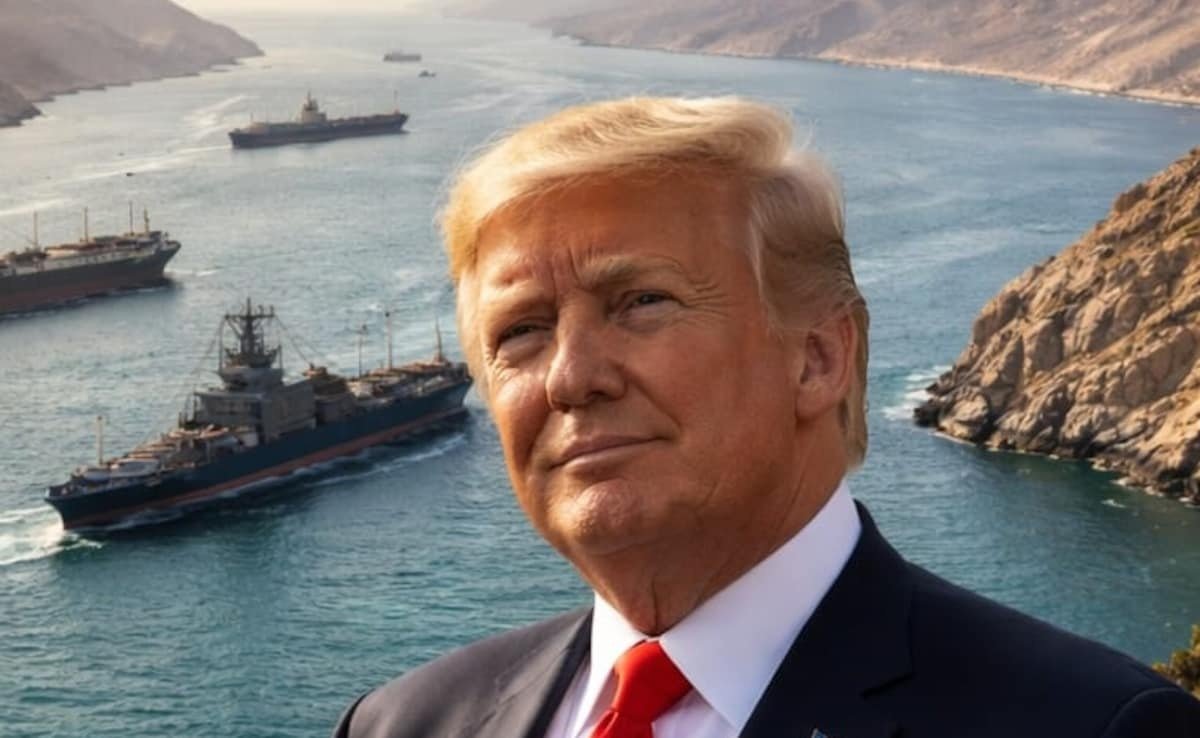
As tensions reach a boiling point, a newly enforced U.S. blockade of the Strait of Hormuz is expected to inflict massive economic damage on Tehran. According to a report by the Wall Street Journal, the “maximum pressure” tactic could drain Iran of up to $435 million (approx. ₹4,081 crore) every single day.
The blockade, which President Trump announced began on Monday, aims to paralyze Iran’s cash flow by halting the export of oil, petrochemicals, and other essential goods.
The Financial Fallout
Analysts break down the estimated $435 million daily loss as follows:
-
Export Deficit: Roughly $276 million in direct losses from halted crude oil and petrochemical shipments.
-
Assumed Metrics: These figures assume Iran exports 1.5 million barrels per day at a “wartime price” of $87 per barrel.
-
Infrastructure Impact: The estimate relies on the fact that over 90% of Iranian oil transits through Kharg Island, which is currently the primary target of the naval restriction.
Operational Challenges & “Floating” Reserves
While the numbers are staggering, the actual impact depends on several volatile factors:
-
Enforcement: Experts question how “impenetrable” the U.S. Navy can make the cordon. Currently, there are 16 warships in the Middle East, but effectively monitoring the massive volume of traffic in the Strait remains a logistical nightmare.
-
Rerouting: Tehran may attempt to bypass the blockade by using the Jask terminal, located outside the Persian Gulf waters.
-
Oil on Water: Short-term damage might be cushioned by Iran’s existing reserves. As of late March, an estimated 154 million barrels were already floating outside the Gulf, beyond the immediate reach of the blockade.
The Strategic “Why”
Beyond crippling the Iranian economy, the blockade serves a secondary geopolitical purpose: China. Beijing relies on the Strait for nearly 50% of its crude oil and 30% of its LNG. By controlling the flow, the Trump administration aims to incentivize China to join the pressure campaign against Tehran to secure its own energy needs.
“The blockade accomplishes virtually the same thing as a military operation to seize Kharg Island… without the risks involved in deploying US ground forces.” — Marc Thiessen, Former White House Director of Speechwriting.
The Road Ahead
The U.S. military is currently developing “practical applications” for restricting port access. The success of the operation hinges on the first few days—specifically, how many vessels the U.S. can seize and whether they can effectively deter “blockade runners” looking to slip through the cordon.
