

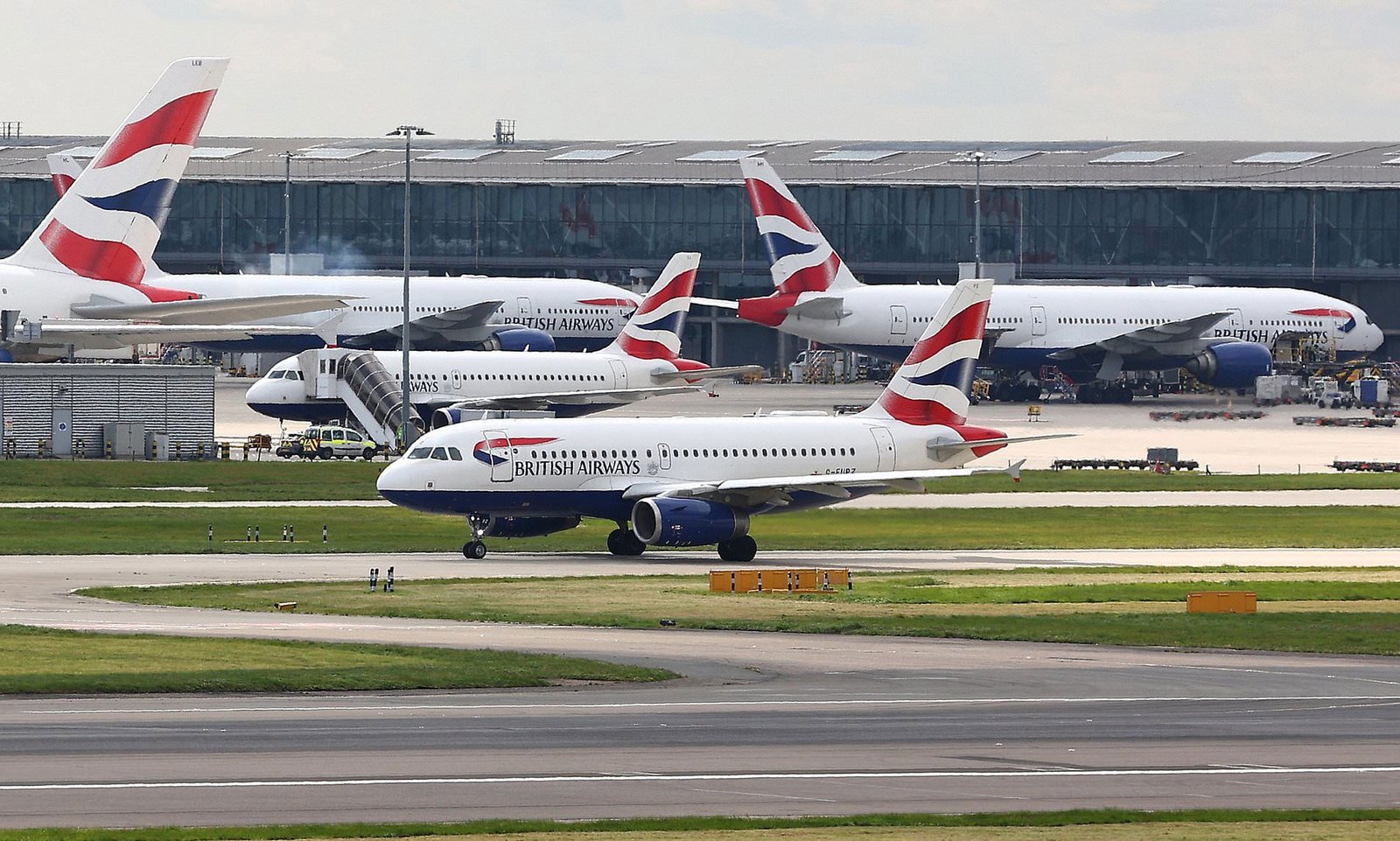
A severe jet fuel shortage is threatening to derail Europe’s peak summer travel season. As the conflict in the Strait of Hormuz intensifies, the International Energy Agency (IEA) has warned that the continent is facing its most significant energy security threat in history.
The Supply Crisis: Why Europe is Vulnerable
Europe relies heavily on energy imports, making its aviation sector far more exposed to global volatility than the United States.
-
The Hormuz Blockade: The closure of the Strait of Hormuz has choked off roughly 20% of the world’s oil supply.
-
Refinery Collapse: Middle Eastern refineries typically provide 75% of Europe’s jet fuel, but production from these facilities has dropped to “almost zero.”
-
Global Scramble: With Asian exporters implementing restrictions, Europe is forced to seek alternative supplies from the U.S. and Nigeria.
-
Seasonal Surge: Jet fuel demand in August is typically 40% higher than in March, creating a massive supply-demand gap.
Impact on Airlines: Cancellations and Financial Losses
The skyrocketing cost of fuel—which surged 103% by the end of March—is pushing the airline industry toward significant operating losses. Fuel typically accounts for 20% to 40% of an airline’s revenue.
| Airline | Action Taken | Fuel/Cost Impact |
| Lufthansa | Cutting 20,000 short-haul flights through October | Saving 40,000 metric tons of fuel |
| SAS | Cancelled 1,000 flights in April | Mitigating rising fuel costs |
| KLM | Reducing capacity by 80 flights | Responding to kerosene price hikes |
| EasyJet | Reported £540M – £560M loss (H1) | Added £25M in fuel costs in March alone |
What This Means for Travelers
For passengers, the combination of dwindling supply and rising costs will likely lead to a “perfect storm” of travel disruptions:
-
Higher Fares: Airlines must increase ticket prices to remain profitable, potentially alienating budget-conscious travelers.
-
Reduced Capacity: With fewer flights available, remaining seats will be harder to book and more expensive.
-
Staycations & Short Hauls: Analysts predict a shift in behavior, with Europeans opting for destinations closer to home (like Spain, Portugal, and France) rather than long-haul or Eastern Mediterranean trips.
-
Operational Closures: Some airlines are retiring older, fuel-inefficient planes early or closing loss-making subsidiaries, such as Lufthansa Cityline.
Economic Stakes
The crisis goes beyond vacation plans. According to ACI Europe, air connectivity is a pillar of the European economy, supporting 14 million jobs and generating nearly $1 trillion (€851 billion) in GDP. If supply measures fail, the IEA warns that European governments may be forced to implement official measures to “reduce air travel” to manage the remaining fuel reserves.
