

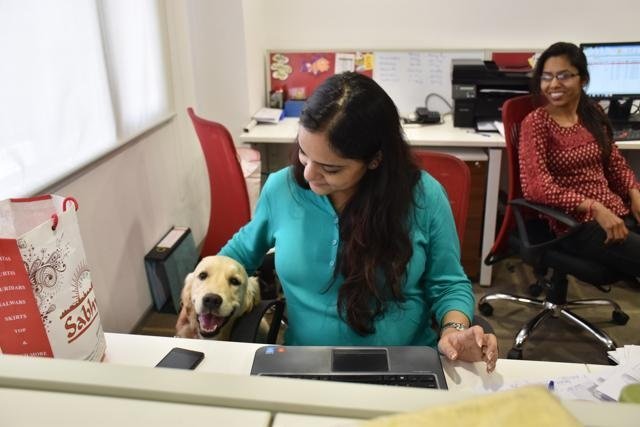
The full Economic Times report explores a growing corporate trend where pets transition from “tolerated guests” to recognized contributors to employee mental health and workplace culture.
A comprehensive breakdown of the major highlights, corporate implementations, and operational balances detailed in the article is provided below:
1. The Core Philosophy: “Paw-sitivity” over Stress
Indian corporate soundscapes are subtly shifting to include the occasional patter of paws and tail thumps. Industry leaders point out that pets introduce an organic, emotional warmth into high-pressure offices that structured HR policies or interior designs simply cannot replicate. They act as “cuddle breaks” that lower anxiety, prompt casual interactions between siloed teams, and offer comfort during intense work cycles.
2. Corporate Implementations & Policies
Prominent organizations are adopting formalized, pet-inclusive practices to drive employee well-being:
-
Nestlé India: The consumer goods giant (known for brands like Maggi and KitKat) recently introduced its pet-focused policy, championed by its Purina Petcare division. Highlighting that transitioning into pet-parenthood is both demanding and joyful, Nestlé’s Chairman and Managing Director Manish Tiwary announced the formal welcoming of two pets designated as “Chief Happiness Officers.”
-
WeWork India: Pets have integrated directly into the workspace fabric. Chief Experience Officer Raghuvinder Singh Pathania noted that recognizing the fluid boundary between personal and professional lives brings out the best in employees. Pets like “Doobie” have achieved informal celebrity status, providing critical companionship to staff during long workdays.
-
Swiggy: The food-tech major has established a formal “Paw-ternity Policy” specifically structured to provide comprehensive care, leave, and structural support to employees who are becoming new pet parents.
-
Heads Up For Tails: Founder Rashi Narang, who regularly works alongside four dogs, observed that pets humanize the boardroom. They actively soften highly stressful operational days and force employees to pause, smile, and stay grounded.
-
Harvested Robotics & DriveU: In fast-moving engineering environments, tech startups find that organic pet integration naturally defuses intense development sprints and fosters more relaxed cross-team collaboration.
3. Balancing the Office Ecosystem
While the psychological upside is significant, HR leaders emphasize that “pet-inclusive” does not mean a free-for-all. To build a truly empathetic workplace, organizations are strictly auditing and maintaining operational balances:
-
Hygiene and Cleanliness: Establishing dedicated sanitation guidelines to keep general floor areas pristine.
-
Comfort and Safety: Creating pet-free zones specifically designated for employees who may have severe allergies, phobias, or personal discomfort around animals.
-
Pet Readiness: Ensuring animals brought into shared workspaces are socially trained and comfortable in environments with high human activity.
Summary Trend: Corporate India’s shift toward pet inclusion marks an expansion of how companies view productivity. Organizations are moving past rigid traditional frameworks, adjusting their operations to match the holistic emotional ecosystems of their modern workforces.
