

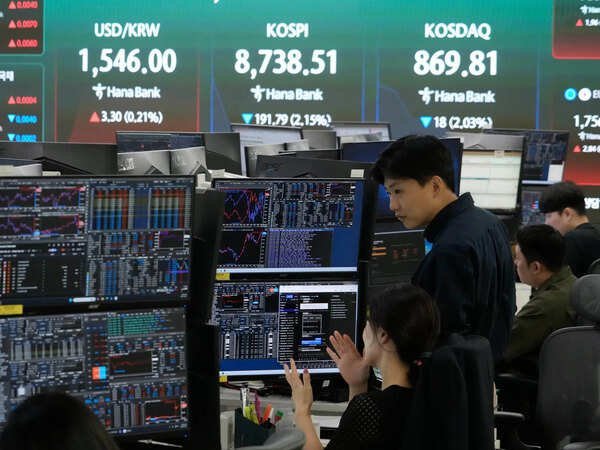
Asian markets displayed a mixed performance as investors weighed contrasting signals from Wall Street alongside persistent macroeconomic pressures. While a softer-than-expected U.S. inflation print offered some relief regarding near-term Federal Reserve policy, broader bond market selloffs and high energy prices continued to keep sentiment cautious.
Key Drivers Impacting Global and Asian Markets:
-
Bond Yield Pressures & Fiscal Fears: Global government debt has faced severe headwinds, driven by heavy government spending, resilient economic growth, and geopolitical supply shocks. Benchmark U.S. Treasury yields have hovered near multi-year highs, fueling a “reflationary regime” narrative that global fixed-income markets have been slow to price in.
-
The Oil and Inflation Nexus: Elevated crude oil prices—fueled by persistent Middle East uncertainties and supply shocks—continue to stoke fears of sticky, imported inflation, complicating central bank rate trajectories worldwide.
-
Wall Street Cues: U.S. stock futures edged higher following a choppy session where the S&P 500 gave up earlier advances. Investors are digesting mixed tech sector forecasts—such as Micron Technology’s upbeat outlook tempered by warnings over rising operational costs—while awaiting crucial upcoming U.S. labor and economic data.
-
Regional Divergence: Asian indices traded unevenly as regional investors balanced domestic corporate cues against foreign capital outflows triggered by shifting global risk appetite and strong dollar liquidity.
