

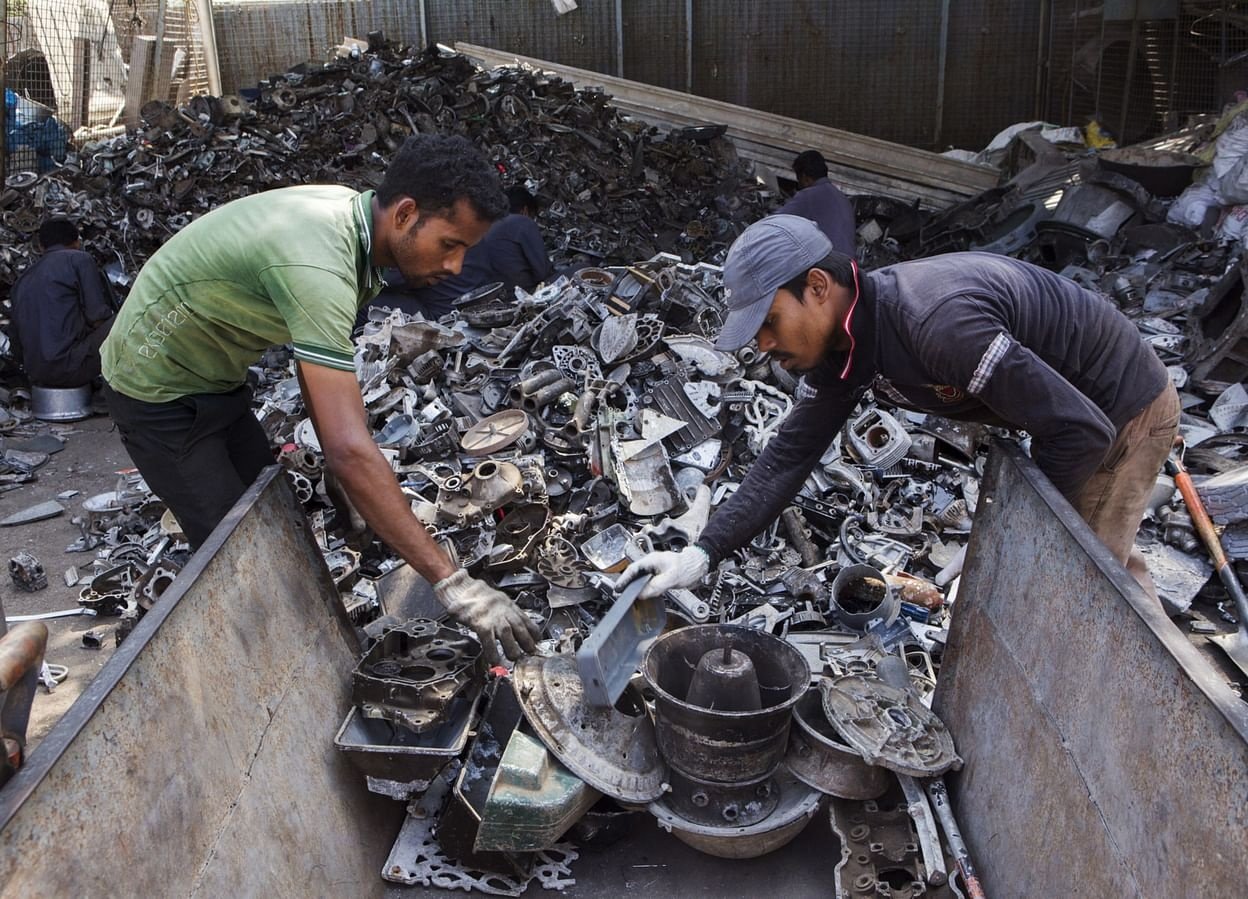
New Delhi: A prominent industry body representing India’s recycling sector has reached out to the Prime Minister’s Office (PMO), requesting the immediate removal of the 2.5% import tariff on aluminium scrap. The Material Recycling Association of India (MRAI) highlighted that rising operational costs and a tightening global supply chain are threatening the survival of small and mid-sized enterprises (MSMEs).
Key Drivers Behind the Request
-
Global Supply Constraints: Recyclers are facing a squeeze due to potential export curbs from the European Union and logistical disruptions caused by regional conflicts, specifically mentioning the impact of the U.S.-Israeli war on Iran.
-
High Import Dependency: India relies on imports for nearly 85% of its aluminium scrap needs, primarily sourcing from the U.S., the EU, and the Middle East. The secondary sector, which uses this scrap, accounts for about 40% of India’s total annual aluminium supply (approx. 2.2 million metric tons).
-
Impact on MSMEs: The 2.5% basic customs duty is straining the working capital of smaller firms. These businesses argue that high-quality imported scrap is essential to meet the technical specifications required by the auto and construction industries.
Sustainability and Economic Outlook
The MRAI argues that removing the duty will not only boost the competitiveness of downstream manufacturing but also support India’s decarbonization goals. Recycling aluminium is significantly more eco-friendly, requiring 95% less energy than producing primary metal from bauxite.
While primary producers (like Vedanta and Hindalco) have previously expressed concerns about surging scrap imports, the MRAI contends that duty removal will not harm them, as domestic scrap availability remains low.
Future Demand
With India’s aluminium consumption projected to hit 8.5–9.0 million metric tons by FY30, analysts from BigMint suggest that scrap imports will remain critical for the foreseeable future unless domestic “urban mining” and collection systems see a massive overhaul.
