

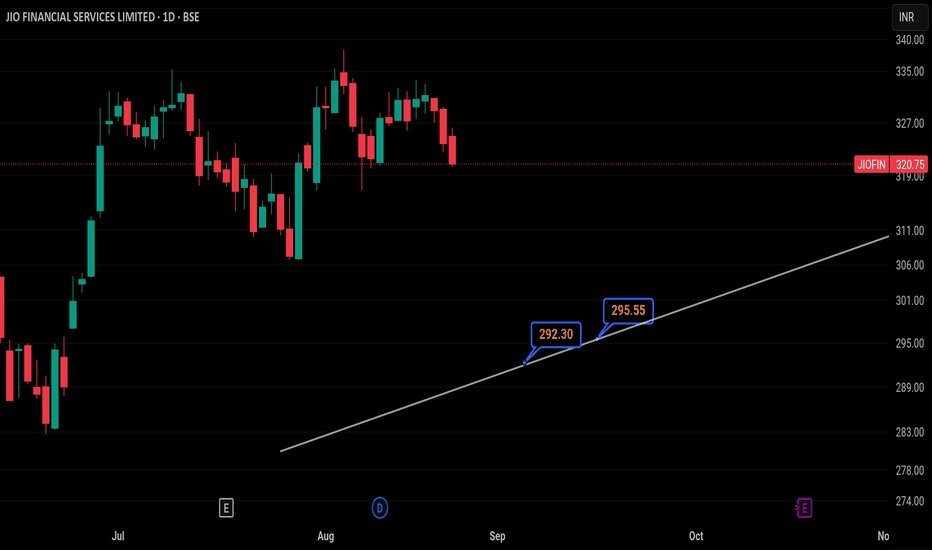
Jio Financial Services (JFS) is adopting a calculated approach to growth, focusing on scaling its ₹25,000 crore lending book through secured assets while intentionally holding back on unsecured credit. In a recent strategy update following its FY26 earnings, MD & CEO Hitesh Sethia emphasized that the company aims to “build balance sheet strength” before increasing its risk appetite.
Key Strategic Shifts
-
Secured Lending Focus: The current loan book is dominated by property-backed lending (45%) and corporate lending (40–45%), with the remainder in financial asset-backed loans (shares and mutual funds).
-
Holding Off Unsecured Credit: Despite high demand in the market, JFS is deferring direct unsecured lending (like personal loans and consumer durable loans) due to higher industry-wide non-performing assets (NPAs) in these segments.
-
The “Marketplace” Pivot: While it won’t lend from its own book yet, JFS is acting as a distributor. Its JioFinance app now offers over 50 third-party credit cards and personal loans to its 23 million unique users.
Financial Highlights (Q4 FY26)
The company’s recent quarterly results reflect a “growth-first” phase where massive revenue jumps are offset by high expansion costs:
| Metric | Q4 FY26 Performance | Comparison (YoY) |
| Revenue from Operations | ₹1,019 Crore | ↑ 106% |
| Consolidated Net Profit | ₹272 Crore | ↓ 14% |
| Lending AUM | ₹25,711 Crore | ↑ 156% |
| Jio Payments Bank Deposits | ₹544 Crore | ↑ 84% |
Expansion Beyond Lending
JFS is rapidly diversifying its ecosystem to become a full-stack financial provider:
-
Insurance: Plans to launch Life and General Insurance manufacturing in 2026, pending final regulatory approvals.
-
Asset Management: The JioBlackRock joint venture has already crossed an AUM of ₹15,200 crore within just nine months of launch.
-
Payments: Its payment aggregator business saw gross transaction values exceed ₹52,000 crore for the full year.
The Verdict: Jio Financial is playing the long game. By avoiding the volatile unsecured credit market for now, the company is leveraging its massive capital base and the Reliance ecosystem to build a “low-risk, high-scale” foundation before moving into riskier, high-margin lending.
