

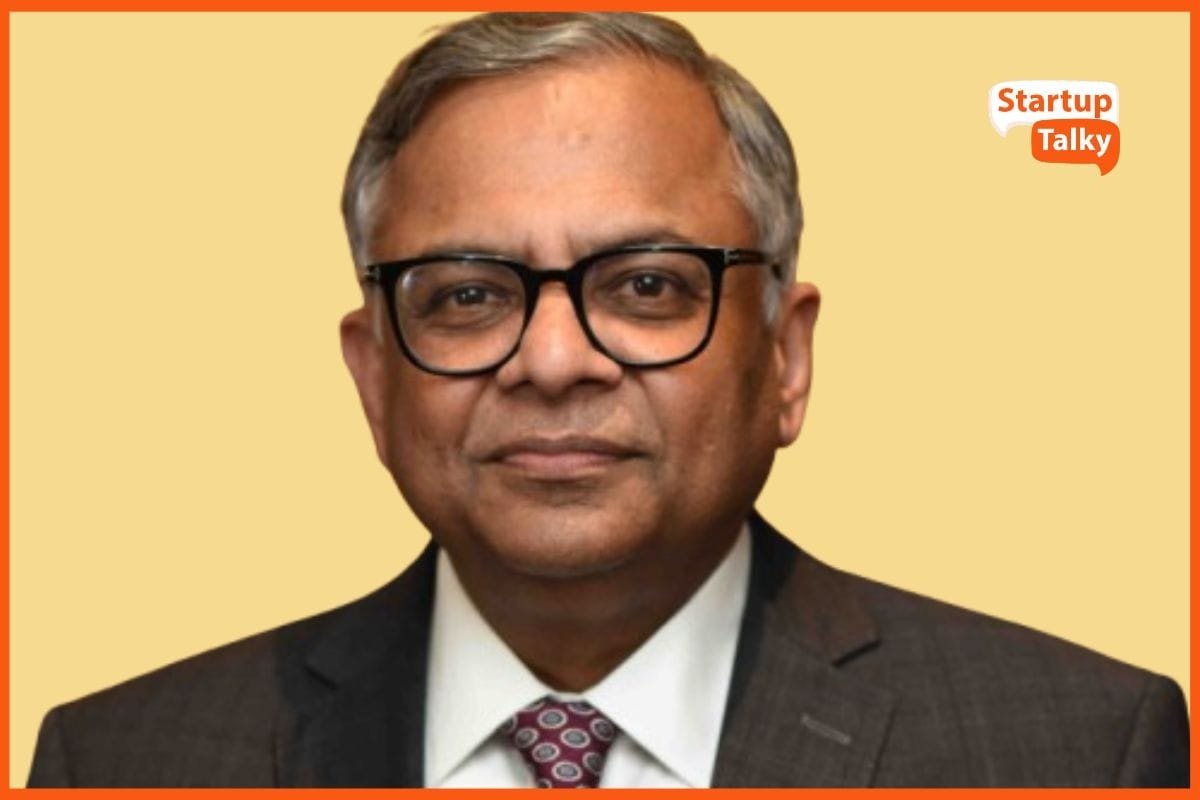
In a significant display of corporate governance and leadership accountability, Tata Sons Executive Chairman N. Chandrasekaran has declined a salary increase for the financial year 2025–26 (FY26). The decision, conveyed during a recent Nomination and Remuneration Committee meeting, comes as the sprawling Tata Group navigates mounting boardroom concerns over capital allocation, geopolitical headwinds, and profitability issues within its newest business ventures.
Balancing Revenue Growth Against Profit Pressure
The decision by one of India’s highest-paid corporate leaders to forgo a raise directly mirrors the financial crosscurrents facing the conglomerate’s holding company, Tata Sons. While the group successfully expanded its business volume, heavy investment cycles in emerging industries have temporarily compressed the bottom line.
-
Revenue Surge: Tata Sons reported a robust 24% year-on-year increase in revenue, climbing to ₹5.92 lakh crore in FY25.
-
Profit Dip: Conversely, the group’s net profit witnessed a 17% decline over the same period, falling to ₹28,898 crore (down from previous highs).
-
The TCS Dependency: The financial performance highlights the group’s continued reliance on its software flagship, Tata Consultancy Services (TCS), which single-handedly generated 43% of the group’s overall net profit in FY25.
Key Drivers Behind the Group’s Strategic Pause
The decision to exercise fiscal restraint at the highest level highlights deep corporate focus on balancing multi-billion-dollar expansion projects with immediate operational efficiency:
1. New Venture Incubation & Capital Burn
The group has deployed significant capital into high-growth, modern sectors that require extended runway periods before achieving profitability. Most notably, Air India continues to absorb substantial funding while navigating steep losses (with an estimated fiscal loss climbing past $2.8 billion / ₹26,800 crore) amidst highly volatile international economic and geopolitical environments.
2. Internal Alignment on Spending
The scale of investment in new-age ventures has been a focal point of discussion among the group’s key stakeholders. While Tata Trusts Chairman Noel Tata had previously expressed reservations regarding the sheer volume of capital committed to these emerging platforms, friction has turned into strategic alignment. Noel Tata has since acknowledged Tata Electronics as a critical, nation-building semiconductor and manufacturing asset, praising its growth trajectory.
3. A Focus on Financial Discipline
By freezing his base pay, Chandrasekaran signals a shift toward cash flow optimization and capital efficiency across the entire ecosystem, demanding operational discipline from subsidiary boards as they execute large-scale, investment-led projects.
A Look at the Chairman’s Remuneration Structure
In FY25, Chandrasekaran received a total compensation package of approximately ₹155.8 crore (a 15% increase from the prior fiscal year). True to the Tata Group’s leadership framework, his earnings remain heavily performance-tied rather than fixed:
Fixed Salary & Benefits: ~₹15.1 crore
Profit-Linked Commissions: ~₹140.7 crore
By choosing not to increase the fixed parameters of his package for FY26, the Tata Sons chief aligns his personal compensation directly with the holding company’s immediate mandate: stabilizing profit margins and steering its ambitious new aviation, digital, and semiconductor bets toward commercial viability.
