

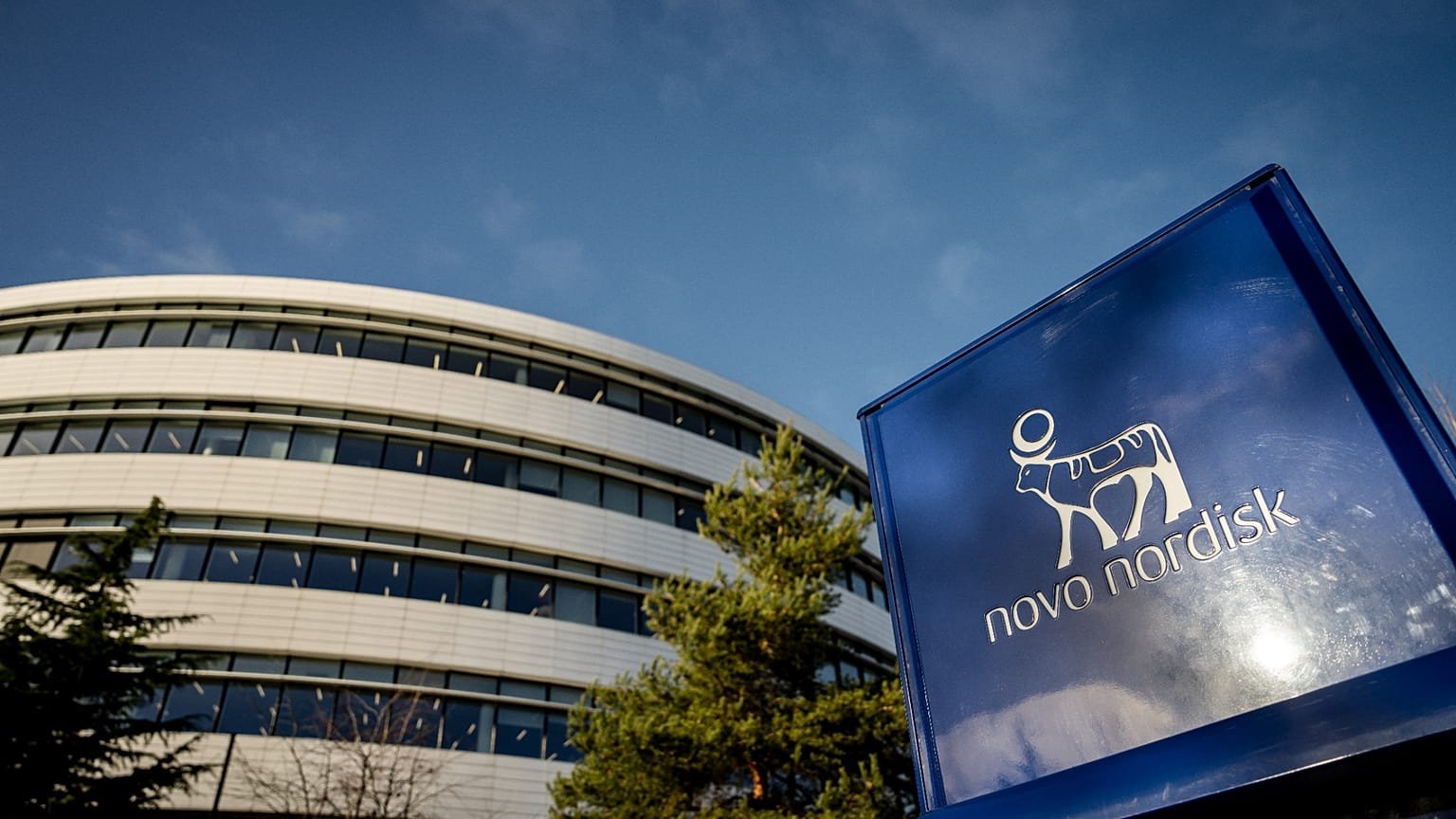
Wegovy-maker Novo Nordisk is facing heightened scrutiny from investors as CEO Mike Doustdar works to outline a viable growth strategy beyond its flagship weight-loss and diabetes medications. Following a massive wave of post-launch demand that propelled the company to become Europe’s most valuable listed firm in 2023, Novo’s share price has faced a bruising correction—plunging more than 70% from its peak.
Key Challenges Facing Novo Nordisk
-
The Eli Lilly Gap: U.S. rival Eli Lilly continues to gain ground rapidly. Sales of Lilly’s competing Zepbound treatment are projected to outpace Wegovy by more than $7 billion this year.
-
The Looming Patent Cliff: The early 2030s will bring patent expirations for semaglutide, the core active ingredient in both Wegovy and Ozemic, forcing the company to seek new revenue streams.
-
Pipeline Setbacks: Recent trial setbacks—including halting development for the experimental heart drug ziltivekimab and a major clinical setback for next-generation weight-loss candidate CagriSema—have left investors anxious about the thin late-stage pipeline.
-
Tightened Guidance: Although Novo raised its full-year sales and operating profit growth forecasts slightly (ranging between zero and minus 6% at constant exchange rates), market skepticism remains high regarding its medium-term financial visibility.
Strategic Pivots and Investor Demands
As pressure mounts under Doustdar’s leadership, shareholders and market analysts are calling for concrete structural shifts:
-
Diversification Beyond Obesity & Diabetes: Portfolio managers argue that relying solely on metabolic diseases will not sustain long-term double-digit growth. Investors are urging Novo to expand into therapeutic areas such as cardiovascular diseases and rare diseases.
-
Re-evaluating R&D Focus: Some analysts suggest shifting emphasis away from continued heavy spending on CagriSema toward alternative early-pipeline assets like zenagamtide.
-
Aggressive M&A and Licensing: With internal research alone unlikely to bridge the upcoming revenue gap, analysts expect management to pursue targeted bolt-on acquisitions or strategic licensing partnerships.
