

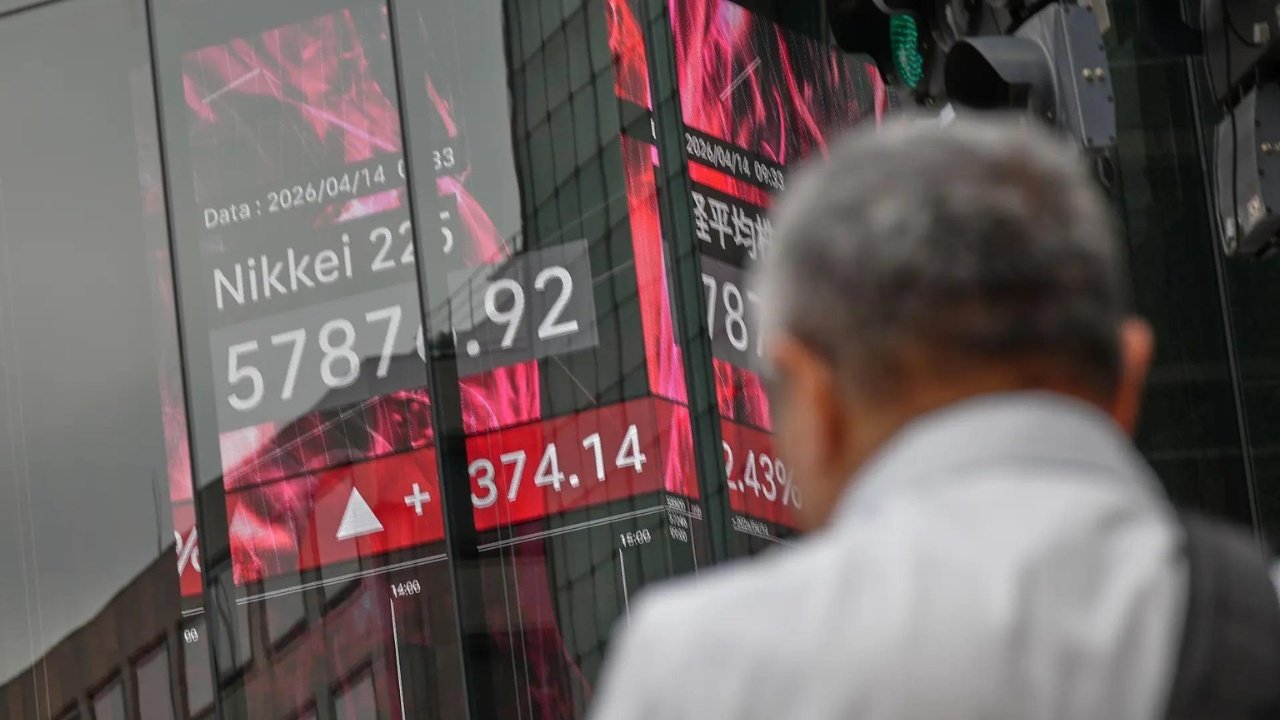
The Japanese stock market reached a major milestone this week, as the Nikkei 225 index notched a record closing high. The surge was fueled by a powerful combination of optimism in the artificial intelligence (AI) sector and a cautious sense of relief regarding geopolitical tensions in the Middle East.
Record-Breaking Performance
The Nikkei 225 surged to an unprecedented closing level of 59,716.18, gaining 0.97% on the day and marking its third consecutive week of growth. Notably, the index briefly breached the psychologically significant 60,000 mark during intraday trading earlier in the week, reflecting a full recovery from market volatility seen earlier this year.
Driving Forces Behind the Rally
The market’s upward trajectory was underpinned by several key factors:
-
AI and Semiconductor Strength: Robust earnings and optimistic forecasts from global tech giants provided a major tailwind. Following Intel’s strong revenue outlook, its Japanese supplier Ibiden saw shares soar by 12.6%. Other chip-related heavyweights, including Advantest and SoftBank Group, also contributed significantly to the index’s gains.
-
Geopolitical De-escalation: Investor sentiment was bolstered by news of a three-week ceasefire extension between Lebanon and Israel, as well as diplomatic efforts to stabilize relations between the U.S. and Iran. These developments eased immediate fears regarding global energy supply disruptions.
-
Corporate Resilience: Despite broader economic uncertainties, companies linked to the expanding AI infrastructure continue to attract strong investor interest, overshadowing concerns about “overheating” in certain segments of the market.
Market Snapshot: April 24, 2026
| Metric | Performance |
| Nikkei 225 Closing Level | 59,716.18 (+0.97%) |
| Topix Index | 3,716.59 (+0.01%) |
| Weekly Gain | 2.1% |
| Top Performer | Ibiden (+12.6%) |
The Outlook
While the rally was concentrated in specific high-impact technology stocks, the Nikkei’s ability to sustain these levels suggests a “risk-on” environment. Analysts note that as long as the AI-driven earnings cycle remains intact and regional tensions continue to thaw, the Japanese benchmark appears well-positioned to maintain its momentum in the current fiscal year.
