

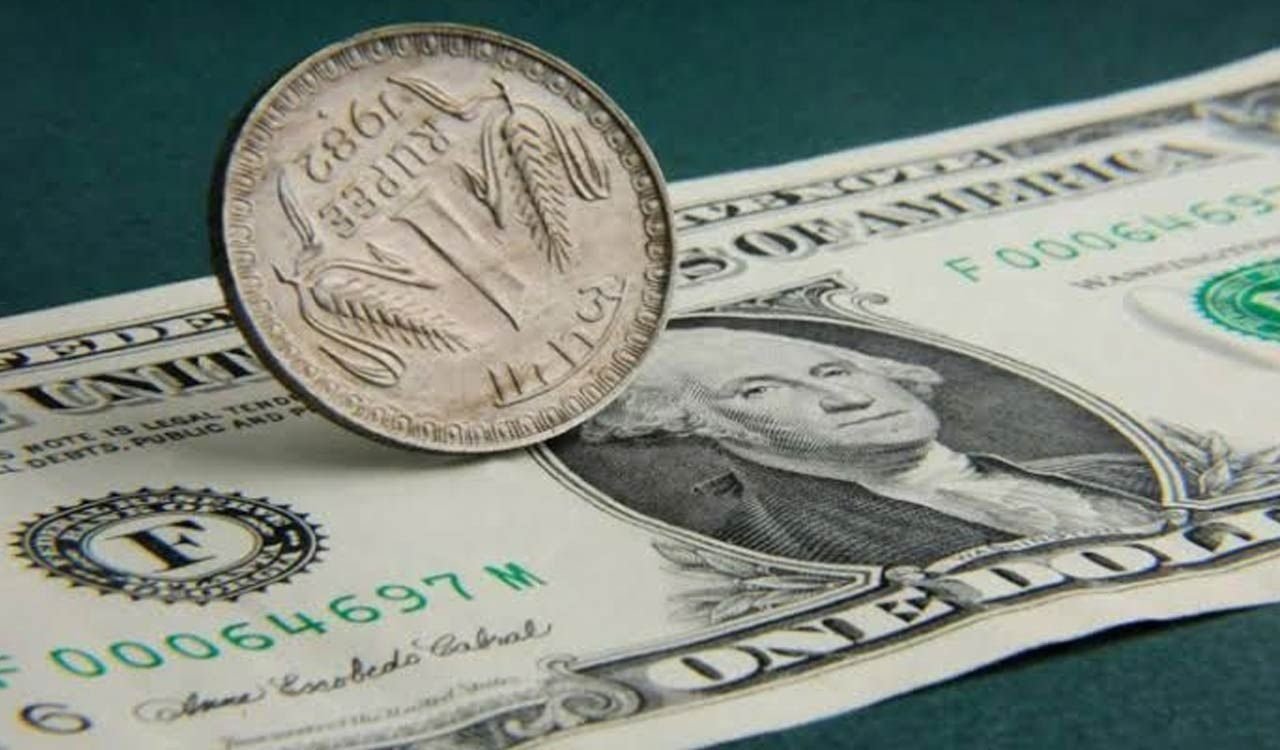
The Indian rupee depreciated by 11 paise to open at 96.36 against the US dollar in early interbank foreign exchange trading on Wednesday, down from its previous close of 96.25.
The currency came under renewed selling pressure as rising global crude oil prices and escalating Middle East geopolitical risks drove demand toward safe-haven assets, boosting the greenback.
Primary Pressure Points Driving Currency Weakness
1. Escalating Oil Prices & Maritime Supply Security
-
Crude Rally: Global benchmark Brent crude rose 1.18% to $92.08 per barrel in futures trading.
-
Geopolitical Risk Premium: Supply disruption fears across key transit routes—including the Red Sea and the Strait of Hormuz—fueled by ongoing U.S.-Iran conflict and Houthi threats against commercial shipping, continue to keep crude prices elevated and widen India’s trade deficit expectations.
2. Dollar Index Strength & Domestic Equity Sell-Off
-
Safe-Haven Demand: The US Dollar Index (DXY) held firm near 101.15, benefiting from global risk-off sentiment.
-
Weak Domestic Equity Open: Indian equity benchmarks opened in the red:
-
BSE Sensex: Slid 0.52% (down ~400 points) to 77,070.61.
-
NSE Nifty 50: Fell 0.34% to 24,104.40.
-
RBI Intervention and Capital Inflow Cushions
Despite the morning drop, Treasury experts note that central bank actions and overseas capital flows are preventing more volatile slides:
-
RBI Intervention: The Reserve Bank of India (RBI) is actively participating through public sector banks, allowing orderly adjustments while curbing sharp, speculative swings.
-
Deposit-Driven Foreign Currency Inflows: Recent RBI policy measures designed to attract non-resident and foreign currency deposits have generated consistent inflows, providing underlying support to domestic liquidity.
-
FII Net Buying: Foreign Institutional Investors (FIIs) remained net buyers in the preceding session, purchasing ₹1,650.16 crore in Indian equities, according to provisional exchange data.
