

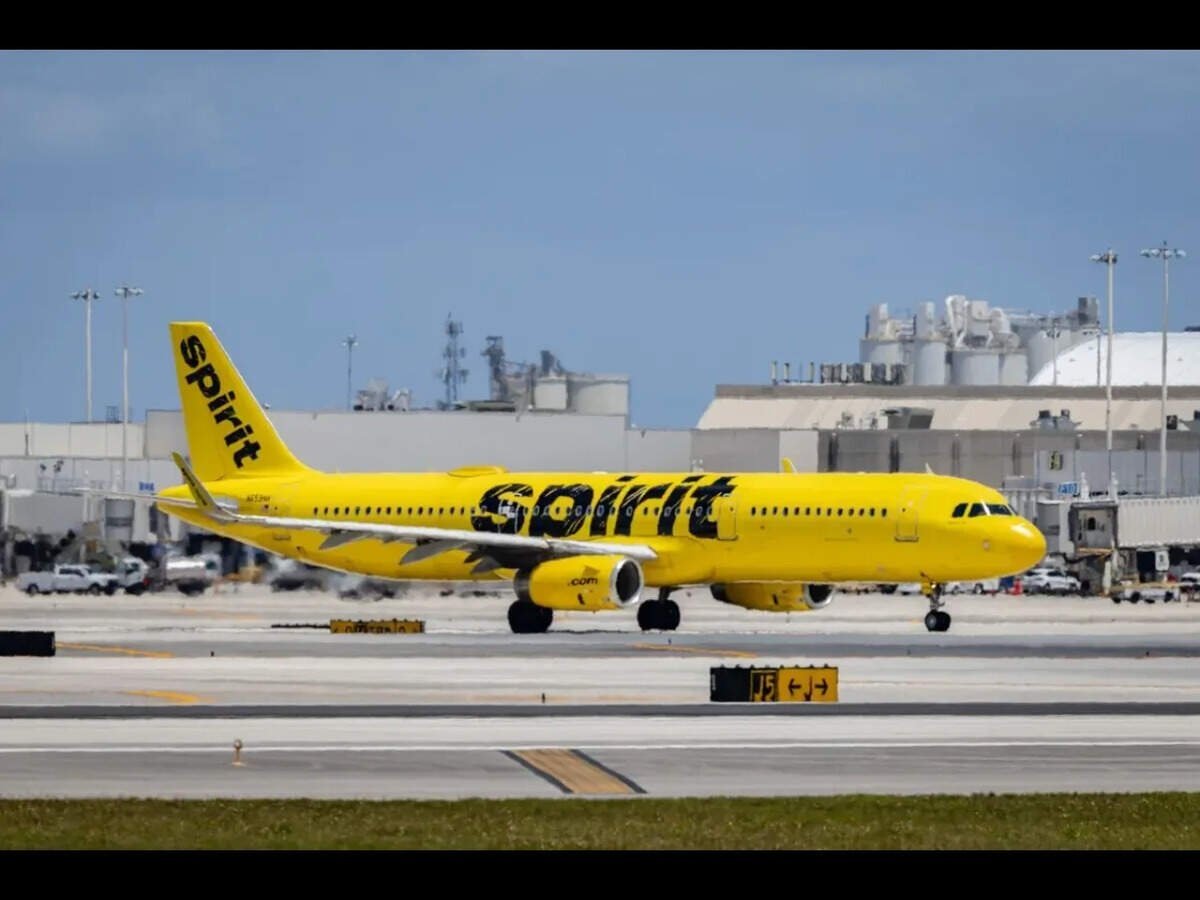
Spirit Airlines is reportedly preparing to shut down operations after a last-ditch effort to restructure its debt and secure a financial lifeline fell through. The low-cost carrier, which has struggled with mounting losses and a massive debt load, saw its stock plummet following reports that its bailout plan had collapsed.
The Downward Spiral
The airline’s path toward a potential shutdown follows a series of significant setbacks:
-
Failed Merger: Earlier attempts to merge with JetBlue Airways were blocked by federal regulators on antitrust grounds, depriving Spirit of a much-needed exit strategy.
-
Engine Issues: Ongoing problems with Pratt & Whitney engines forced the carrier to ground a significant portion of its fleet, leading to reduced capacity and increased operational costs.
-
Bailout Collapse: Negotiations with bondholders and potential investors reportedly reached a stalemate, leaving the company without the necessary capital to continue its day-to-day operations.
Market Reaction and Broader Impact
The news has sent shockwaves through the aviation sector and the US stock market:
-
Stock Plunge: Spirit’s shares have faced extreme volatility, hitting record lows as investors price in the likelihood of a total liquidation.
-
Consumer Impact: If Spirit ceases operations, it would mark one of the most significant failures in the US airline industry in recent years, likely leading to reduced competition in the “ultra-low-cost” segment and higher fares for budget-conscious travelers.
-
Industry Ripple Effects: Competitors like Southwest, Frontier, and Allegiant may move to capture Spirit’s market share, though the sudden exit of a major player could disrupt regional airport ecosystems across the United States.
What’s Next?
While the airline has not yet officially filed for bankruptcy or announced a final shutdown date, the reports suggest that a cessation of operations is now the most likely outcome. Travelers with upcoming bookings are being advised to monitor the situation closely, as the collapse of a bailout plan typically leads to a rapid wind-down of services to preserve remaining assets.
This development serves as a stark reminder of the fragile nature of the airline industry, which remains highly sensitive to fuel price fluctuations and the “high-interest-rate” environment that has plagued capital-intensive businesses throughout early 2026.
