

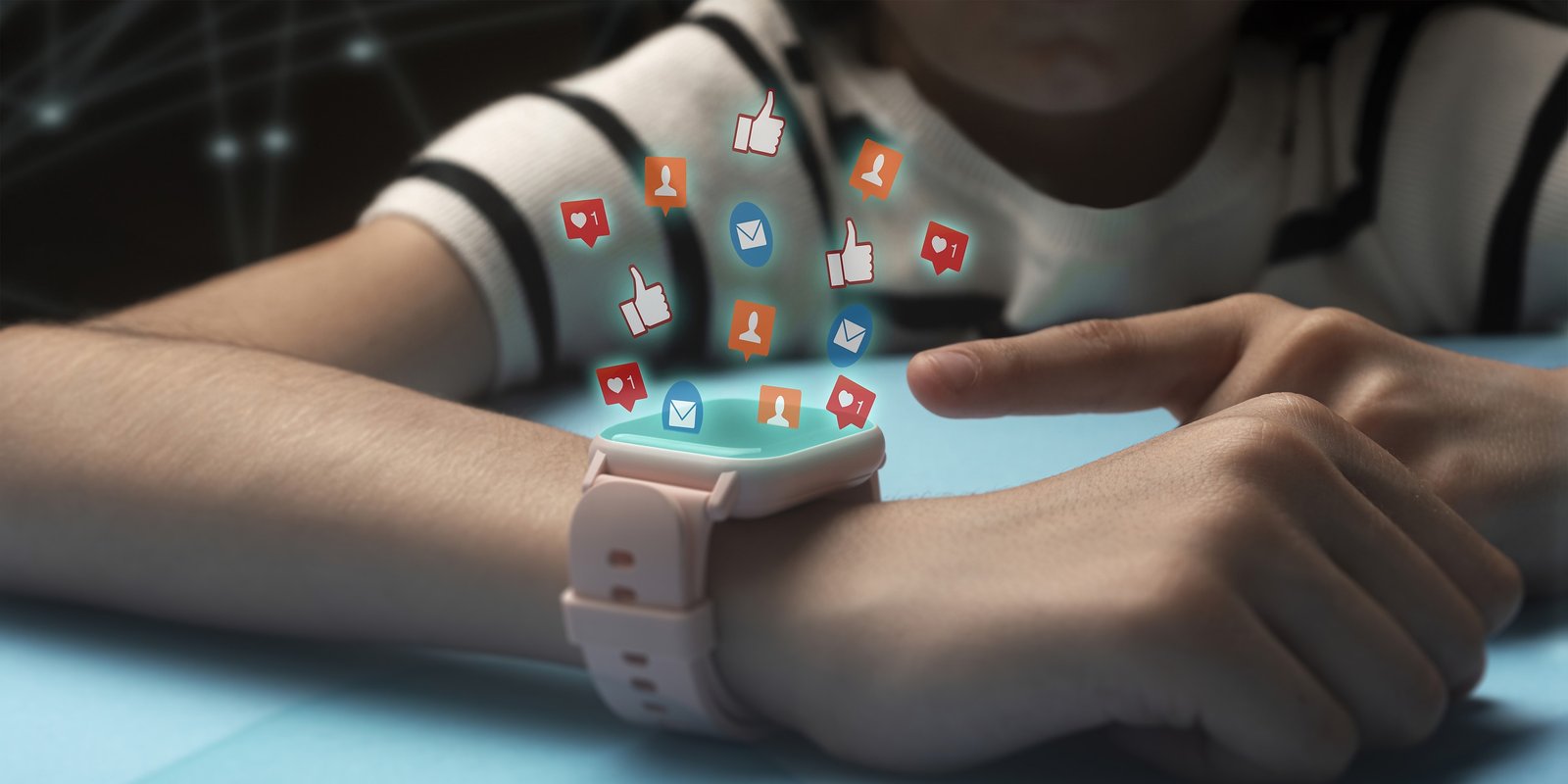
The dilemma of when to give a child their first smartphone is one of the most widespread challenges of modern parenting. While the urge to delay an unmonitored portal to social media and the open internet is strong, it often clashes with a practical reality: the need to stay reliably connected during school commutes, field trips, and outdoor play.
This friction has fueled a significant shift toward smartwatches designed for younger users. These devices deliver the essential safety nets—voice calling, basic messaging, and location tracking—without the addictive algorithmic feeds, unvetted web access, and digital distractions of a standard phone.
Key Features to Prioritize
When moving away from smartphones, parents look for specialized features that balance child autonomy with parental peace of mind:
-
Dedicated Location Tracking: Built-in GPS frameworks allow parents to monitor their child’s location in real-time or receive geofencing alerts when they enter or leave specified zones, such as school grounds or a neighborhood park.
-
Controlled Communication: Rather than allowing unrestricted dialing, these wearables typically restrict communication to a pre-approved whitelist of contacts managed entirely by parents via a companion app.
-
Distraction Free Settings (School Mode): A crucial software addition that allows parents to lock the watch face during instructional hours, turning the device into a basic timepiece so it doesn’t create friction in the classroom.
-
Physical Resilience: Unlike fragile glass slabs, wearables for children are engineered to endure playground falls, sports, and handwashing, frequently carrying high dust and water-resistance ratings.
A Comparison of Top Contenders
Depending on the child’s age and activity levels, different models emphasize different combinations of tracking, durability, and communication:
| Device Model | Primary Focus | Notable Strengths | Best Suited For |
| Noise Junior Champ 3 | Routine & Habit Formation | App-based scheduler, School Mode, SOS calling, and protective bumper cases. | Younger children building daily routines. |
| CMF by Nothing Watch Pro 2 | Independent Navigation | Standalone multi-system satellite GPS, 11-day battery, and modular swappable bezels. | Tech-conscious pre-teens and older kids. |
| boAt Valour Watch 1 GPS | Rugged Sports Tracking | 3 ATM swim-proof rating, Gorilla Glass, automatic workout detection, and 15-day battery. | Highly active teenagers and swimmers. |
| Fastrack Limitless Glide X | Physical Durability | Scratch-resistant Panda Glass, single-sync Bluetooth calling, and a highly readable screen. | Teens wanting a traditional, resilient design. |
| Fire-Boltt Ninja Call Pro Max | Clear Communication | Ultra-large 2.01-inch display, metal body construction, and voice assistant connectivity. | Teenagers prioritizing easy menu navigation. |
Aligning the Choice with Your Child’s Needs
Choosing the right device comes down to pinpointing the specific gap you are trying to fill:
-
For Independent Commuters: If your child walks or bikes to school alone, prioritize devices with built-in, standalone GPS modules and quick-trigger SOS buttons so they can alert you instantly without relying on a smartphone pairing.
-
For Younger Kids: If the goal is simple time management and tracking after-school activities, focus on software ecosystems that offer robust parental controls, automated step tracking, and simple routine reminders.
-
For Older Teens: When transitioning toward more adult hardware, mainstream fitness smartwatches offer a subtle step up, supplying robust calling utility and structural protection without the gamified software found in younger models.
Ultimately, replacing a potential smartphone habit with a localized wearable allows children to explore their independence safely, giving parents immediate point-to-point contact without compromising their digital well-being.
