

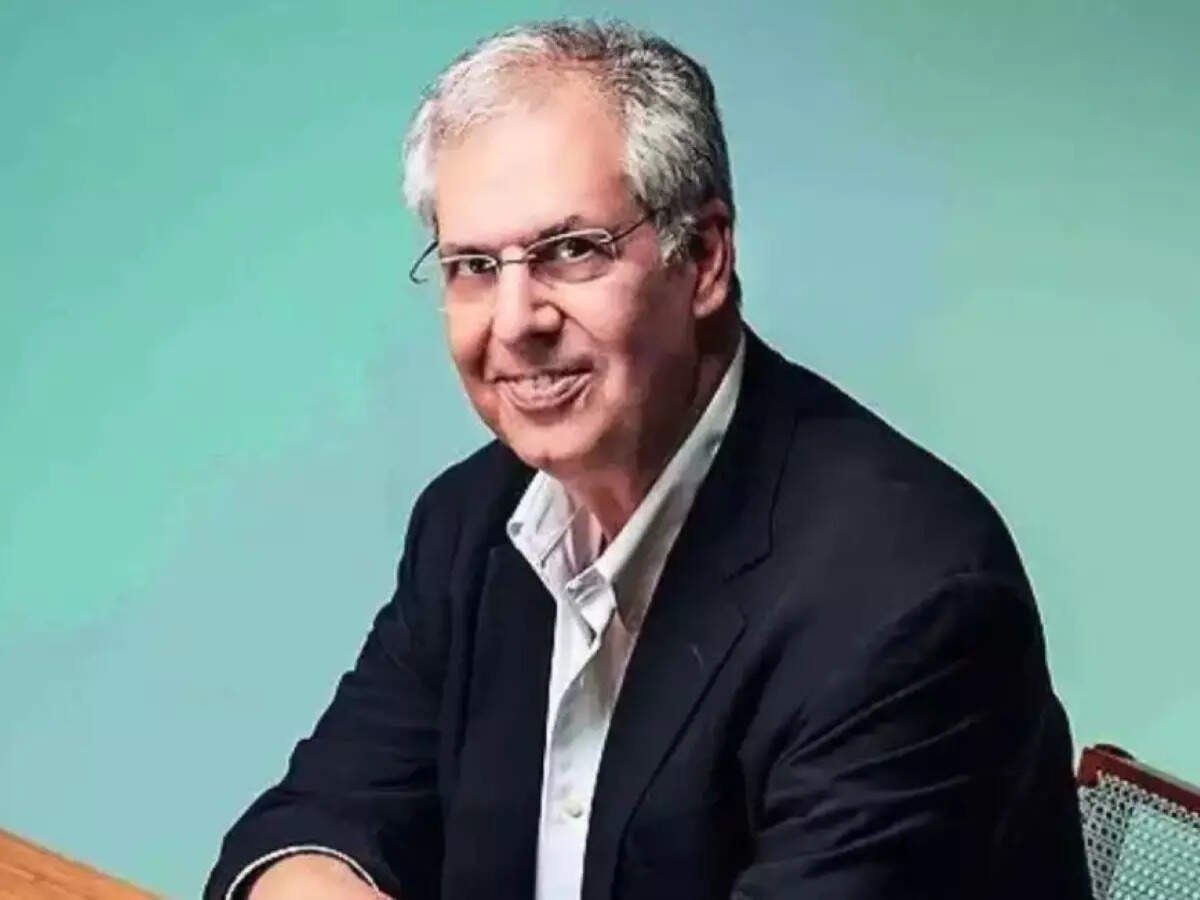
A major governance standoff is brewing at the top of India’s largest conglomerate. Following a high-level board meeting at Bombay House, Tata Trusts Chairman Noel Tata has put the reappointment of Tata Sons Chairman N. Chandrasekaran (Chandra) on hold.
While Chandrasekaran’s current term runs until February 2027, Noel Tata asserted that discussing a third five-year extension is premature until three massive, unresolved structural and operational issues are addressed.
The Three Flashpoints Delaying the Extension
1. The Tata Sons IPO Dilemma
This is the most critical point of friction. The Reserve Bank of India (RBI) has classified Tata Sons as an “upper-layer” NBFC, which legally mandates that the holding company go public.
-
The Conflict: Noel Tata strongly opposes a public listing, preferring to keep Tata Sons private to preserve its legacy trust structure. Though Tata Sons has aggressively paid down debt to seek a regulatory exemption, the RBI’s “look-through” approach—given how much public capital Tata subsidiaries utilize—complicates matters. Noel Tata wants a definitive plan on how the leadership intends to bypass or resolve this listing mandate.
2. The Shapoorji Pallonji (SP) Group Exit Route
The Mistry family’s SP Group holds an 18.4% stake in Tata Sons and needs to liquidate it to settle its own corporate debts.
-
The Conflict: Noel Tata has demanded a concrete framework to facilitate the SP Group’s exit without forcing Tata Sons into an IPO. Securing the immense capital needed to buy out this stake privately, without disrupting the group’s financial equilibrium, requires a complex roadmap that has yet to be finalized.
3. Losses in New-Age Ventures & Capital Discipline
While legacy powerhouses like TCS, Tata Motors, and Trent are booming, Noel Tata has raised sharp questions regarding heavy capital allocation toward struggling newer ventures.
-
The Conflict: Aggressive cash-burn projects—specifically the prolonged turnaround of Air India and the slow monetization of Tata Digital (Tata Neu)—are under the scanner. Noel Tata is demanding a rigid, five-year strategic blueprint detailing exactly when these high-investment bets will turn profitable.
What Lies Ahead?
The gravity of these concerns was evident as the CEOs of Air India, Tata Electronics, and Tata Digital were called in to present detailed operational updates directly to Noel Tata.
Because Tata Trusts controls 66% of Tata Sons, leadership continuity requires absolute alignment between the philanthropic trusts and executive management. While Chandrasekaran has ample time before his term expires, the corporate world will be watching the next scheduled board meeting on June 12, 2026, when the annual accounts are cleared and these underlying governance debates are expected to take center stage.
