

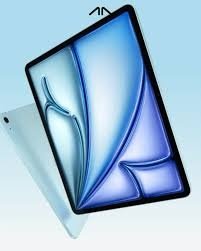
For years, the tablet debate followed a predictable script: choose an iPad for unmatched performance and a premium ecosystem, or grab an Android tablet if you wanted a budget-friendly media consumption device.
By 2026, that gap has fundamentally shifted. Driven by massive hardware leaps and improved software, Android tablets have evolved from budget alternatives into genuine flagship competitors. Yet, Apple’s walled garden still holds a critical advantage where it matters most.
Premium Builds are No Longer an Apple Exclusive
The days of cheap, plastic Android tablets are gone. The current crop of 2026 mid-range and premium Android devices sport ultra-thin profiles and sleek metal builds that rival Apple’s finest engineering.
Furthermore, Android manufacturers are pushing durability boundaries that Apple has yet to touch. Devices like Samsung’s Galaxy Tab S10 and S11 series now feature robust IP68 water and dust resistance ratings—a premium durability standard still missing from the iPad lineup.
The Software Gap: Floating Windows vs. Pro Apps
Software has traditionally been the iPad’s greatest stronghold, backed by years of long-term OS support and polished interfaces. Apple recently doubled down on this with iPadOS 26, introducing flexible floating window support to better compete with Android’s multitasking strengths.
However, the real differentiator in 2026 is the app ecosystem, where Apple continues to dominate:
-
Creative Power: The iPad remains the undisputed home for professional creators, boasting exclusive access to heavily optimized software like Final Cut Pro.
-
Optimization: Even Google’s first-party applications frequently run smoother and feel more intuitive on an iPad than on native Android tablets.
-
Developer Priority: App developers consistently prioritize iPadOS, resulting in cleaner animations, better scaling, and fewer bugs during heavy workflows.
Ecosystem Wars: Samsung Steps Up
While Apple’s seamless integration between the iPhone, Mac, and iPad remains the gold standard, Android brands have finally built formidable counter-ecosystems.
Samsung, in particular, has closed the distance. The synergy between a Galaxy smartphone, a Galaxy Book6 Pro laptop, and a Galaxy Tab offers a cross-device experience that genuinely rivals Apple’s continuity features. Ultimately, choosing between them no longer requires sacrificing ecosystem fluidness; it simply depends on which brand already dominates your workspace.
Performance: Raw Power vs. App Optimization
Historically, Apple Silicon left Android processors in the dust. In 2026, that performance monopoly has shattered. Armed with flagship chipsets like the Snapdragon 8 Elite, devices like the OnePlus Pad 4 offer raw benchmark speeds capable of handling virtually any task thrown at them.
The Reality Check: While Android tablets now match the iPad in raw horsepower, Apple still wins on utilization. Because iPad apps are meticulously optimized for specific Apple chips, the device feels marginally more polished and reliable under sustained, heavy creative workloads.
The Verdict: How to Choose in 2026
| If You Value… | Your Best Choice Is… |
| Value for money, open customization, and hardware durability (IP ratings) | An Android Tablet (e.g., OnePlus Pad or Samsung Galaxy Tab) |
| Professional creative apps, long-term software refinement, and unmatched ecosystem optimization | An Apple iPad (e.g., iPad Air M3 or iPad Pro M5) |
Android has successfully dismantled the myth that iPads are the only tablets capable of flagship-tier performance and premium design. However, for users who rely on heavy productivity and specialized creative suites, Apple’s superior software optimization ensures the iPad keeps its crown in 2026.
