

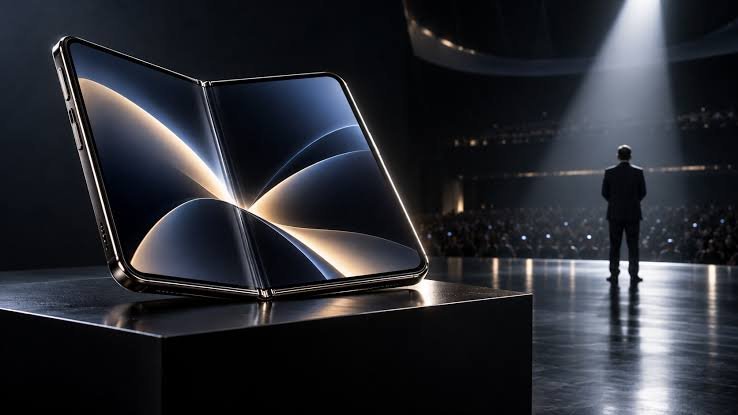
Apple’s annual late-summer hardware event in Cupertino, California, arrives with higher stakes than usual this year. Beyond the expected rollout of next-generation hardware, Wednesday’s showcase marks the very first major product launch under newly minted Chief Executive Officer John Ternus, who officially stepped into the role on September 1 after succeeding Tim Cook.
At 51, Ternus brings a deep engineering background to the top spot, having spent over two decades at Apple leading development across its entire product ecosystem. In his first company-wide email as CEO, Ternus described the lineup as “phenomenal”—and the tech world is about to see if the hardware lives up to the billing.
The Crown Jewel: Apple’s First Foldable iPhone
The undisputed center of attention is Apple’s long-rumored entry into the foldable market, widely dubbed by reports as the iPhone Ultra.
-
Design & Form Factor: Expected to start at around $2,000, the device features a compact, passport-sized external screen when closed, unfolding into an expansive, tablet-sized display. Reports from Bloomberg indicate it will sport a dual rear-camera setup featuring standard and ultra-wide lenses.
-
Challenging the Status Quo: While Samsung pioneered the modern foldable category with the Galaxy Fold in 2019, foldables still account for less than 2% of global smartphone shipments. Apple is entering late, but analysts believe its unmatched brand power and ecosystem scale could quickly reshape the market.
-
Lofty Projections: Research firm IDC estimates that Apple could capture 31% of global foldable demand by the end of this year, surging to 40% by 2027.
Navigating Industry Headwinds
The launch comes during a turbulent economic and supply-chain period. A massive global demand for high-performance memory chips—fueled by the ongoing artificial intelligence boom—has driven up component costs and constrained supply chains. IDC projects that global smartphone shipments could decline by more than 16% this year, while average device costs climb over 27%. However, analysts note that luxury-tier foldables are somewhat insulated from these pressures due to their already high price points.
Shifting iPhone Lineups and Smarter AI
Apple’s traditional smartphone strategy is also seeing a shakeup. Reports suggest Apple may focus exclusively on two high-end flagships this year—the iPhone 18 Pro and iPhone 18 Pro Max—while potentially delaying the more affordable standard iPhone 18 to next year.
Meanwhile, software intelligence is taking center stage. Apple is set to showcase a heavily upgraded, AI-powered version of Siri, expected to integrate deeply across new devices, including the Apple Watch, AirPods, Apple TV, and HomePod mini. Rumors also point toward the potential debut of a ~7-inch smart-home hub device, though its official timeline remains fluid.
A Defining Moment for Apple’s Future
For John Ternus, Wednesday’s event is far more than a standard product showcase. It serves as an immediate litmus test for his leadership, offering a clear window into how Apple plans to evolve its hardware strategy and whether a $2,000 foldable iPhone can successfully transition from a niche luxury product into Apple’s next major mainstream growth engine.
