

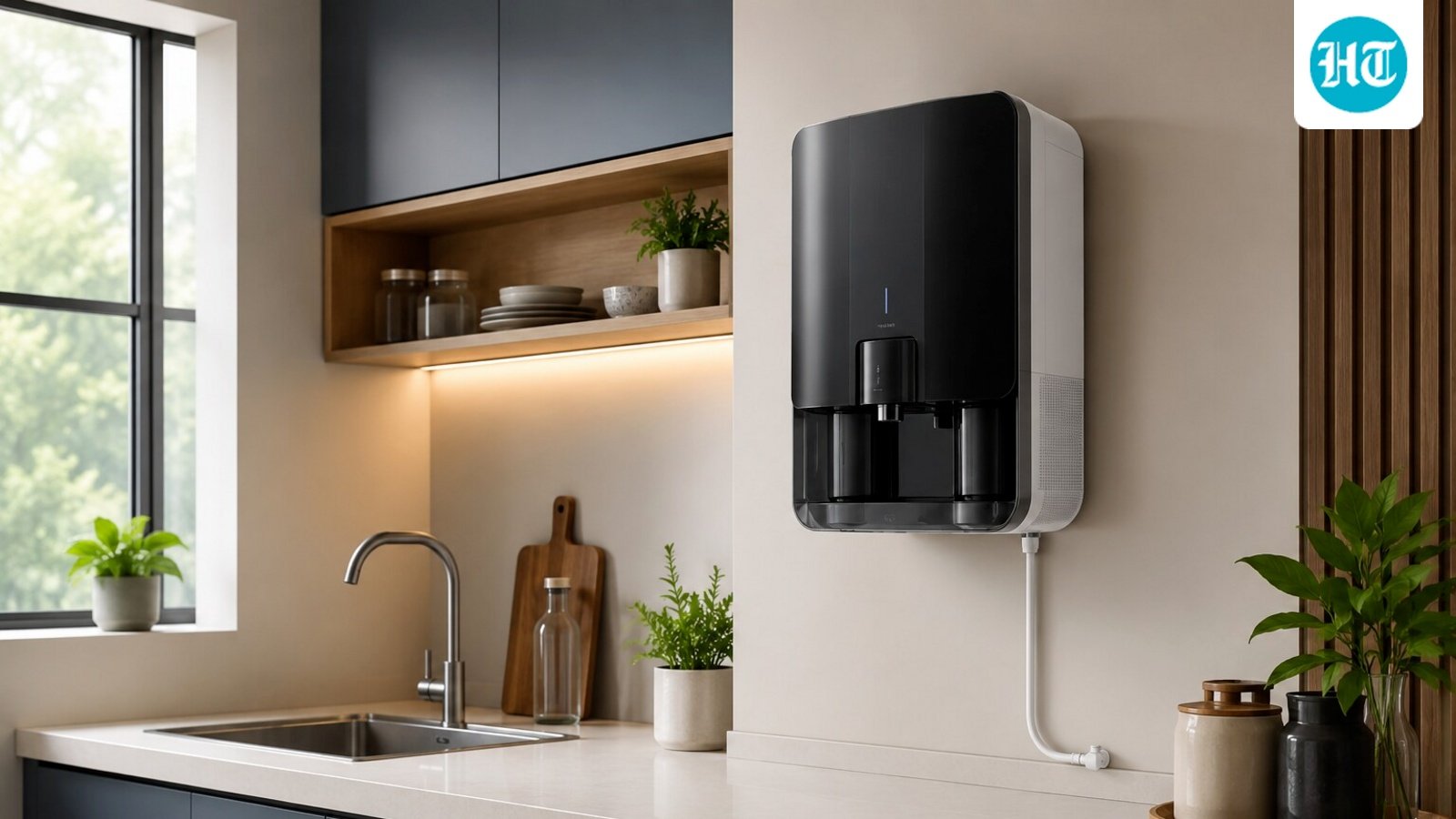
If your kitchen features a shiny, premium Reverse Osmosis (RO) water purifier and your primary water source is treated municipal or corporation tap water, you might be making an expensive mistake. Driven by aggressive marketing, millions of households have fallen into the “RO trap”—using heavy-duty systems designed for harsh groundwater on water that has already been treated.
When forced to process low-TDS municipal water, RO membranes aggressively strip away 90% to 92% of essential minerals like calcium and magnesium. This leaves you with mineral-deficient water while ruthlessly dumping up to 75% of the input water straight down the drain. Before over-filtering your health and your wallet, it’s time to understand what your kitchen actually needs.
The Biggest Mistakes Buyers Make
1. Believing “More Stages = Better Water”
Brands proudly showcase 8-stage, 10-stage, or 12-stage purification systems as a marketing gimmick. In reality, the effectiveness of a purifier depends entirely on whether its technology matches your water source. A well-designed, simpler system can easily outperform a complex setup that includes filtration layers your home doesn’t need.
2. Ignoring the TDS (Total Dissolved Solids) Level
Most buyers spend hours comparing brands but neglect to check their actual water quality. A simple, inexpensive digital TDS meter can tell you exactly what you need:
-
High TDS (Borewell/Tanker water): Requires an RO system to remove heavy dissolved salts.
-
Low TDS (Treated Municipal water): Typically only requires UV (Ultraviolet) or UF (Ultrafiltration) technology to eliminate biological contaminants without stripping minerals.
3. Overlooking the Hidden Costs
RO purifiers require frequent membrane replacements, filter changes, and annual maintenance contracts (AMCs). Combined with massive water wastage, the lifetime cost of running an unnecessary RO system adds up significantly.
Top 5 Purifier Recommendations for Municipal Water
The following selection includes options tailored for municipal supplies, ranging from pure UV+UF mineral-retaining filters to smart, adaptive RO systems that adjust to low-TDS water.
| Water Purifier | Capacity | Purification Technology | Key Standout Feature |
| Aquaguard Delight NXT WS | 6 Litres | RO + UV + UF | Multi-source utility with a 1-year free service plan |
| KENT Maxx Alkaline | 7 Litres | UV + UF | Retains natural minerals; boosts pH up to 9.5 |
| Native M2 Pro (Urban Company) | 8 Litres | RO + UV + Copper + Alkaline | Smart app tracking with a 2-year no-service promise |
| Atomberg Intellon | 8 Litres | Adaptive RO + UF + UV | Automatically adjusts filtration based on input TDS |
| Pureit HUL Copper+ Eco | 8 Litres | RO + UV + MF | Infuses water with beneficial copper ions |
1. Aquaguard Delight NXT WS
An all-rounder that combines multiple technologies. While it features an RO membrane, it is highly flexible and backed by a massive service network.
-
Pros: Suitable for varying water sources; includes a free 1-year service plan worth ₹2,000.
-
Cons: The RO stage may be entirely redundant if your municipal water TDS is already very low.
2. KENT Maxx Alkaline
The ideal choice for pure municipal water. Because it bypasses RO filtration entirely, it relies on a UV+UF double purification process that kills germs without wasting water or stripping minerals.
-
Pros: Retains natural minerals; boosts water pH up to 9.5; features a detachable, easy-to-clean storage tank.
-
Cons: Absolutely not suitable for hard borewell or tanker water.
3. Native M2 Pro by Urban Company
A premium, tech-heavy option designed for users who want a hands-off experience. It balances its RO membrane by integrating a dedicated mineraliser and alkaline filter.
-
Pros: Real-time filter health tracking via an app; a 2-year unconditional warranty with zero service hassles.
-
Cons: Higher upfront price compared to standard filters.
4. Atomberg Intellon
India’s first adaptive water purifier. It solves the “RO trap” by using smart sensors to detect incoming TDS levels and automatically adjusting its filtration intensity to prevent mineral loss.
-
Pros: Dynamic TDS-based filtration; IoT app connectivity; no filter replacement costs for the first 2 years.
-
Cons: Higher initial investment cost; app features might feel gimmicky to some.
5. Pureit HUL Copper+ Eco Mineral
A robust system designed to add wellness value back into your water by introducing copper ions post-filtration.
-
Pros: Advanced copper enrichment; large 8-litre storage capacity.
-
Cons: Priced higher than basic municipal filters; detailed filter life metrics are not easily accessible.
The 5-Minute Verdict: Before spending thousands on a heavy-duty water purifier, buy a digital TDS meter. The smartest purchase isn’t the machine with the most features or the highest price tag—it’s the one specifically configured for the water flowing out of your kitchen tap.
