

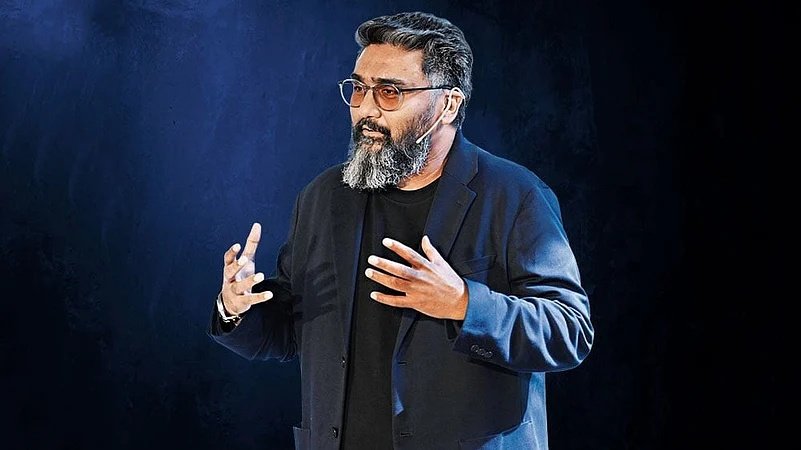
This is a massive moment for India’s startup ecosystem. Meta’s appointment of CRED founder Kunal Shah as the global head of WhatsApp is a historic shift—marking the first time an active, homegrown Indian entrepreneur has been tapped to lead a global Silicon Valley product with over three billion users.
The blockbuster announcement comes wrapped in a massive $900 million (₹8,550 crore) investment by Meta into CRED, valuing the Bengaluru-based fintech company at $4.5 billion.
The Details Behind the Meta-CRED Deal
The arrangement goes far beyond a typical corporate executive hire, blending an institutional investment with a global leadership transition:
-
The Leadership Shift: Outgoing WhatsApp chief Will Cathcart is stepping down after a seven-year tenure to take on a different product role within Meta. Kunal Shah will join Meta’s executive ranks directly.
-
CRED’s New Chapter: Shah is stepping back from his day-to-day duties as CEO of CRED, though he remains a major shareholder. Miten Sampat, who has driven CRED’s strategy and finance since 2020, steps up as the interim CEO as the company prepares for an eventual Initial Public Offering (IPO).
-
The Firepower: Meta’s $900 million minority investment (a mix of primary and secondary capital) will fund a fifth massive Employee Stock Ownership Plan (ESOP) buyback for CRED employees. Meta acts as a passive financial investor and will not have access to CRED’s customer data.
Why Kunal Shah? The Monetization Mission
While WhatsApp has an immense user base worldwide, it has historically left massive revenue potential on the table. Meta’s choice of an Indian fintech builder is highly strategic.
India is WhatsApp’s largest single market. Shah’s unique expertise lies in capturing affluent consumer cohorts, understanding transaction psychology, and building complex financial utility networks (like credit card management, lending, and merchant ecosystems).
Meta CEO Mark Zuckerberg noted that Shah brings a “builder mentality” needed to aggressively scale WhatsApp’s global business and commercial footprint, bridging the gap between a simple messaging service and a high-yield marketplace.
Expanding India’s Big Tech Footprint
For years, India’s footprint in Silicon Valley was defined by engineering excellence scaling up to executive suites—best exemplified by Satya Nadella (Microsoft), Sundar Pichai (Alphabet), and Arvind Krishna (IBM).
Shah’s appointment represents a completely different paradigm. He didn’t climb the corporate ranks of an American tech giant. Instead, he built local consumer internet giants (FreeCharge, then CRED) from scratch in India before being chosen to steer a global behemoth. It signals a mature era where Silicon Valley isn’t just looking to India for engineering talent or a massive user base, but for the product visionaries and foundational builders who will shape the next generation of global consumer tech.
