

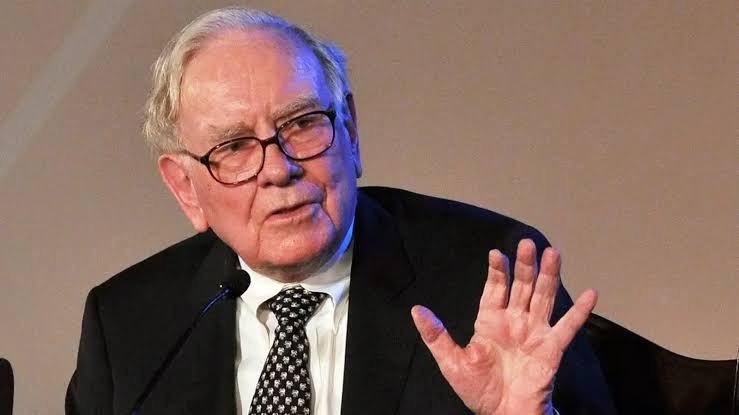
The snippet you shared outlines one of Warren Buffett’s most powerful operational advantages: the velocity of trust. On Wall Street, standard corporate acquisitions require massive due diligence, millions of dollars in fees, and months of friction. Buffett famously bypasses this whenever he finds the right counterparty.
The two incredible stories referenced in that piece are Clayton Homes (the book) and McLane Company (the handshake).
1. Bought Because of a Book: Clayton Homes (2003)
In 2003, a group of finance students from the University of Tennessee visited Omaha to meet Buffett. As a thank-you gift, they handed him First a Dream, the autobiography of Jim Clayton, the founder of a manufactured-housing giant called Clayton Homes.
Buffett read the book that night. He was so impressed by Clayton’s character, business acumen, and the fundamentals described in the text that he didn’t call an army of investment bankers. Instead, he called Jim Clayton’s son, Kevin (the CEO), made an offer based almost entirely on what he parsed from the memoir and public financials, and bought the entire company for $1.7 billion. In his next shareholder letter, Buffett told investors to thank the Tennessee students, writing: “Ask them if they’ve read any good books lately.”
2. Bought on a Handshake: McLane Company (2003)
The business with “billions in sales” was McLane Company, a massive supply-chain and distribution logistics business owned by Walmart.
In May 2003, Buffett met with Walmart’s leadership. McLane was a low-margin, incredibly high-volume business doing roughly $23 billion in sales. A typical corporate buyout of this scale would take six months of data-room audits to check every truck, warehouse lease, and vendor contract.
Buffett settled the multi-billion-dollar deal in a single two-hour meeting. He trusted Walmart’s reputation, and Walmart trusted his. They shook hands, no outside investment bankers were involved, and the deal closed strictly on the terms they verbally agreed to.
The Financial Value of Trust
Buffett operates this way because of what business theorists call the “Trust Tax.”
-
When trust is low, speed drops and costs rise (legal fees, forensic accounting, protective contract clauses).
-
When trust is high, speed skyrockets and costs plummet.
As Buffett has frequently noted in his Berkshire Hathaway shareholder letters, he does not skip due diligence out of recklessness. He skips it because he filters for people who do not need to be audited to tell the truth. If you can accurately judge the character of the seller, a one-page contract and a handshake are safer than a 500-page legal document signed by a rogue actor.
