
Close Menu
Varta24 Business
    What's Hot

    Trump Discloses June Trading Activity: A Look at Major Buys and Sells

    August 23, 2026

    Power Sector Stocks: AI Demand, India’s Energy Pivot, and the Basket Approach

    August 23, 2026

    Beyond Market Noise: Why Business Fundamentals Outweigh Short-Term Headlines

    August 23, 2026
    Facebook X (Twitter) Instagram
    Facebook X (Twitter) Instagram
    Varta24 BusinessVarta24 Business
    Subscribe
    • Home
    • Top News
    • Companies
    • Finance
    • Insurance
    • Markets
    • Technology
    • World News
    Varta24 Business
    Home»Finance»UPI MDR Explained: What Proposed Charges on ₹2,000+ Payments Mean for You and Merchants
    Finance

    UPI MDR Explained: What Proposed Charges on ₹2,000+ Payments Mean for You and Merchants

    Aruna KaimBy Aruna KaimAugust 6, 2026No Comments3 Mins Read
    Facebook Twitter LinkedIn Telegram Pinterest Tumblr Reddit WhatsApp Email
    Share
    Facebook Twitter LinkedIn Pinterest Email

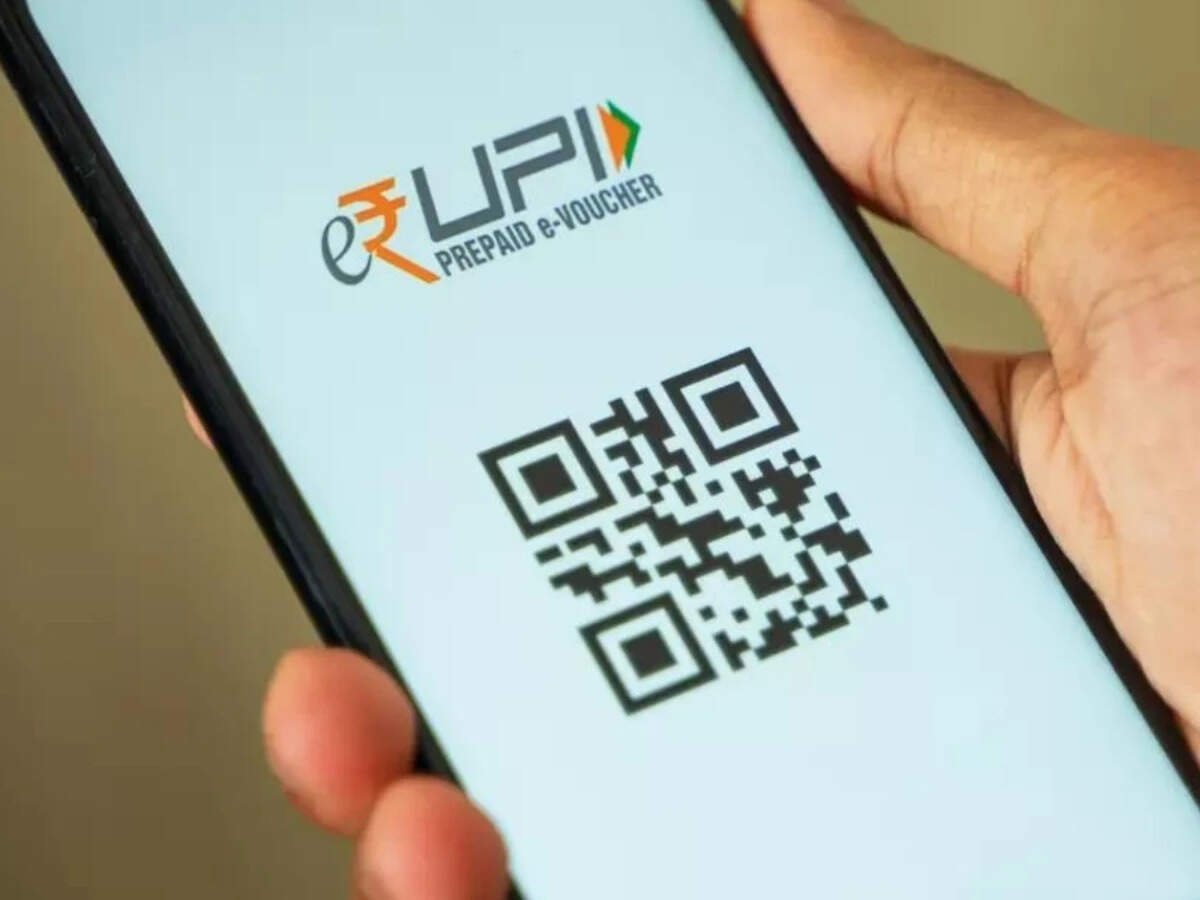
    The Indian government has introduced amendments to the Payment and Settlement Systems Act, 2007, laying the legislative foundation to reintroduce a Merchant Discount Rate (MDR) on high-value Unified Payments Interface (UPI) transactions. The proposal seeks to end the zero-MDR mandate for large-ticket payments (tentatively above ₹2,000) made to large merchants, providing a sustainable revenue model for banks, payment aggregators, and fintech apps like Paytm, Google Pay, and PhonePe.

    What is MDR and Why is it Being Reintroduced?

    Merchant Discount Rate (MDR) is a fee levied on businesses by payment processors and banks for processing digital transactions.

    • Why standard UPI had Zero MDR: In January 2020, the government waived all MDR on UPI and RuPay transactions to drive mass digital adoption across India.

    • Why the Change Now: Banks and fintech apps process over 23 billion transactions monthly with high infrastructure costs but zero direct fee income on core UPI. Reintroducing a small MDR creates a multi-billion rupee revenue pool to fund tech upgrades, cybersecurity, and financial innovation.

    Proposed Structure vs Current MDR Framework

    Parameter Current Setup (Post-2020) Proposed Framework (2026 Bill)
    P2P Payments (Person-to-Person) ₹0 (Free) ₹0 (Remains Exempt)
    Small Merchants & Low Values ₹0 (Free) ₹0 (Exempt for payments under ₹2,000)
    Large Merchants (Values > ₹2,000) ₹0 (Free) Proposed 0.25% – 0.40% MDR (Final rate pending notification)
    Target Turnover Threshold Applied to all Businesses with annual turnover > ₹1.5 crore
    Credit Card Comparisons Up to 3.0% MDR Significantly lower capped rates

    Key Takeaways for Consumers and Businesses

    1. Will Consumers Pay Extra?

    • No Direct Fees: MDR is legally a merchant-side fee. Customers using Paytm, Google Pay, or PhonePe will not see extra surcharge line items on standard UPI payments.

    • Over 95% of Everyday Transactions Stay Untouched: Purchases under ₹2,000 (milk, groceries, auto fares, local kiranas) represent ~96% of total UPI transaction volume and will remain completely fee-free.

    • Indirect Impact: Some large merchants could subtly factor the small fee into item pricing for large-ticket purchases, though competition is expected to keep prices stable.

    2. What it Means for Merchants

    • Small retailers and street vendors will not face any MDR charges.

    • Large merchants, quick-commerce platforms, and e-commerce giants will bear a small fee (estimated at 25–40 basis points) on transactions above ₹2,000. Because high-value payments account for nearly 65–70% of total UPI money value, this generates sustainable revenue for the processing ecosystem without hurting small traders.

    3. What it Means for Payment Apps & Banks

    • Payment aggregators (Paytm, Pine Labs, Razorpay) and sponsor banks stand to gain an estimated ₹5,000 crore to ₹10,000 crore revenue pool, reviving profitability for digital payment infrastructure providers.

    Share. Facebook Twitter Pinterest LinkedIn Tumblr Telegram Email
    Previous ArticleGoogle’s $15 Billion India Data Centre Hub Battles Water and Wildlife Concerns
    Next Article RBI Set to Restrict Unapproved Revolving Credit Lines by NBFCs
    Aruna Kaim

    Related Posts

    RBI Penalizes Shri Ram Finance Corporation and Progfin for Regulatory Non-Compliance

    August 22, 2026

    Shriram Wealth to Target Mass-Affluent Segment (₹10 Lakh–₹2 Crore Investable Assets)

    August 22, 2026

    NBFC Growth Outlook Resilient; Margin Pressures and Asset Quality Key Monitorables: Report

    August 22, 2026
    Add A Comment
    Leave A Reply Cancel Reply

    Top Posts

    RBI Penalizes Shri Ram Finance Corporation and Progfin for Regulatory Non-Compliance

    August 22, 2026

    Shriram Wealth to Target Mass-Affluent Segment (₹10 Lakh–₹2 Crore Investable Assets)

    August 22, 2026

    NBFC Growth Outlook Resilient; Margin Pressures and Asset Quality Key Monitorables: Report

    August 22, 2026
    Advertisement
    Demo

    Your source for the serious news. This demo is crafted specifically to exhibit the use of the theme as a news site. Visit our main page for more demos.

    We're social. Connect with us:

    Facebook X (Twitter) Instagram Pinterest YouTube
    Recend Posts
    • Trump Discloses June Trading Activity: A Look at Major Buys and Sells
    • Power Sector Stocks: AI Demand, India’s Energy Pivot, and the Basket Approach
    • Beyond Market Noise: Why Business Fundamentals Outweigh Short-Term Headlines
    • Disney Restricts Spousal Healthcare for 2027: Status of Dependent Coverage & Policy Details
    • Planning Ayurvedic Treatment? What to Check in Your Health Insurance Policy First
    Contact Us

    Varta24 Business
    India International Centre
    40, Max Mueller Marg
    Lodhi Estate, New Delhi-110003
    Email.varta24live@gmail.com

    © 2026 Varta24 Media, Designed by Social Fox.
    • Home
    • Markets
    • Stocks
    • Funds
    • Buy Now

    Type above and press Enter to search. Press Esc to cancel.