

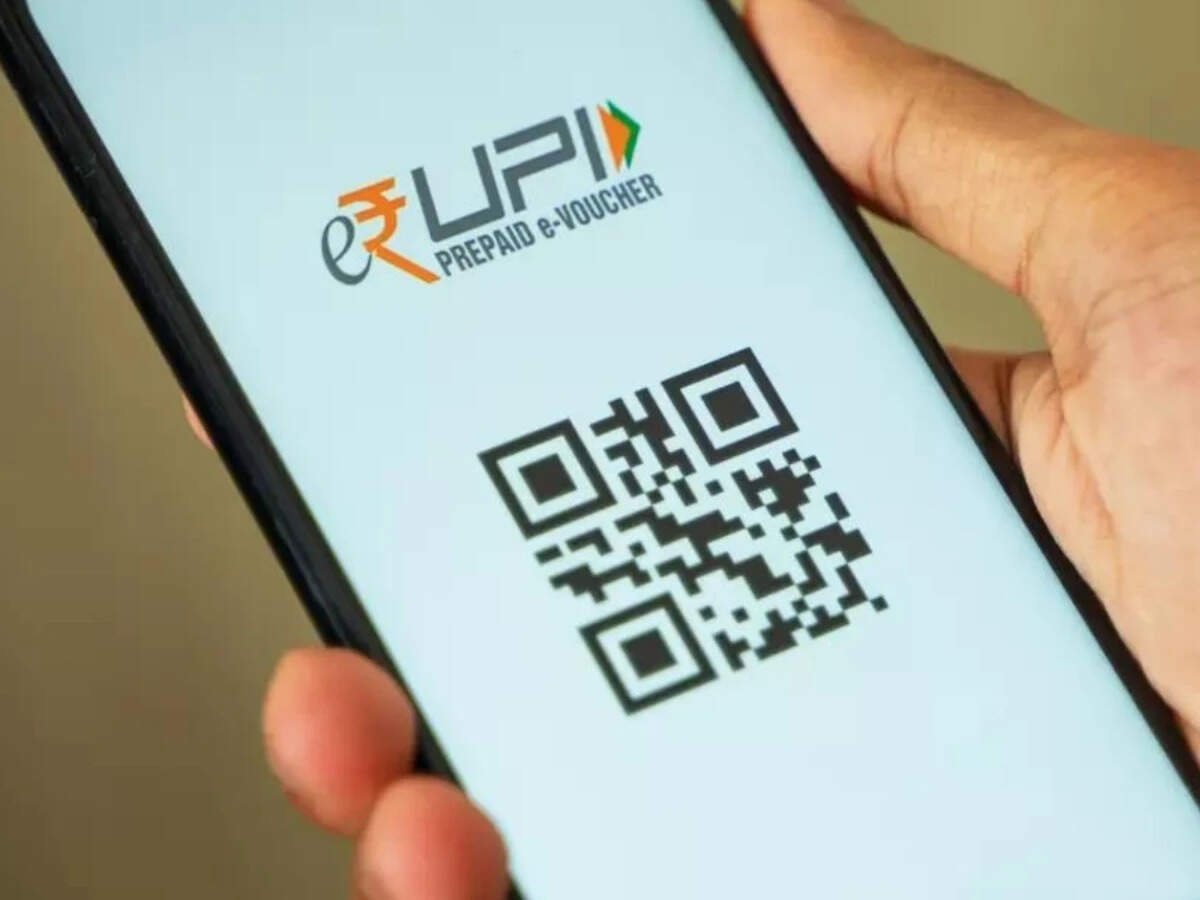
The Indian government has introduced amendments to the Payment and Settlement Systems Act, 2007, laying the legislative foundation to reintroduce a Merchant Discount Rate (MDR) on high-value Unified Payments Interface (UPI) transactions. The proposal seeks to end the zero-MDR mandate for large-ticket payments (tentatively above ₹2,000) made to large merchants, providing a sustainable revenue model for banks, payment aggregators, and fintech apps like Paytm, Google Pay, and PhonePe.
What is MDR and Why is it Being Reintroduced?
Merchant Discount Rate (MDR) is a fee levied on businesses by payment processors and banks for processing digital transactions.
-
Why standard UPI had Zero MDR: In January 2020, the government waived all MDR on UPI and RuPay transactions to drive mass digital adoption across India.
-
Why the Change Now: Banks and fintech apps process over 23 billion transactions monthly with high infrastructure costs but zero direct fee income on core UPI. Reintroducing a small MDR creates a multi-billion rupee revenue pool to fund tech upgrades, cybersecurity, and financial innovation.
Proposed Structure vs Current MDR Framework
| Parameter | Current Setup (Post-2020) | Proposed Framework (2026 Bill) |
| P2P Payments (Person-to-Person) | ₹0 (Free) | ₹0 (Remains Exempt) |
| Small Merchants & Low Values | ₹0 (Free) | ₹0 (Exempt for payments under ₹2,000) |
| Large Merchants (Values > ₹2,000) | ₹0 (Free) | Proposed 0.25% – 0.40% MDR (Final rate pending notification) |
| Target Turnover Threshold | Applied to all | Businesses with annual turnover > ₹1.5 crore |
| Credit Card Comparisons | Up to 3.0% MDR | Significantly lower capped rates |
Key Takeaways for Consumers and Businesses
1. Will Consumers Pay Extra?
-
No Direct Fees: MDR is legally a merchant-side fee. Customers using Paytm, Google Pay, or PhonePe will not see extra surcharge line items on standard UPI payments.
-
Over 95% of Everyday Transactions Stay Untouched: Purchases under ₹2,000 (milk, groceries, auto fares, local kiranas) represent ~96% of total UPI transaction volume and will remain completely fee-free.
-
Indirect Impact: Some large merchants could subtly factor the small fee into item pricing for large-ticket purchases, though competition is expected to keep prices stable.
2. What it Means for Merchants
-
Small retailers and street vendors will not face any MDR charges.
-
Large merchants, quick-commerce platforms, and e-commerce giants will bear a small fee (estimated at 25–40 basis points) on transactions above ₹2,000. Because high-value payments account for nearly 65–70% of total UPI money value, this generates sustainable revenue for the processing ecosystem without hurting small traders.
3. What it Means for Payment Apps & Banks
-
Payment aggregators (Paytm, Pine Labs, Razorpay) and sponsor banks stand to gain an estimated ₹5,000 crore to ₹10,000 crore revenue pool, reviving profitability for digital payment infrastructure providers.
