

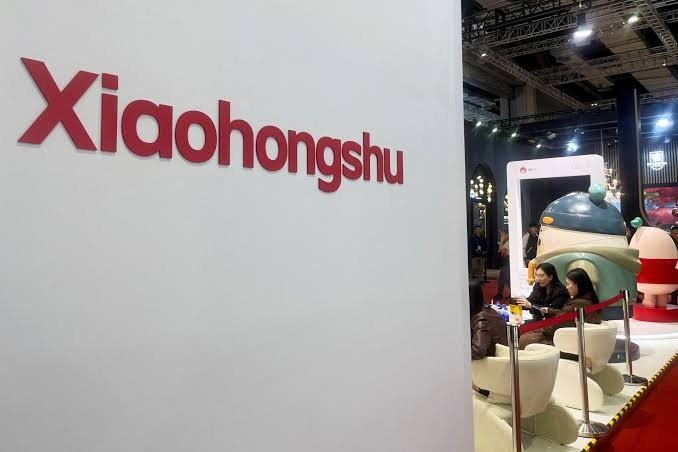
Chinese social media and e-commerce giant Xiaohongshu (internationally known as RedNote) is facing increased regulator scrutiny surrounding its potential Hong Kong IPO. The friction stems from a complaint filed by a former executive concerning the legal setup of its offshore and domestic entities.
What Caused the Controversy?
-
Former Executive’s Whistleblower Complaint: Chen Hao, a former advertising sales executive, approached the Hong Kong Stock Exchange (HKEX) and Securities and Futures Commission (SFC) following a dispute over unvested share options.
-
The Alleged Contradiction: During labor litigation, Xiaohongshu reportedly argued that its domestic operating unit and offshore holding entity were distinct and independent—meaning the local business was not liable for offshore option payouts. Chen pointed out that to list via a Variable Interest Entity (VIE) structure, companies must demonstrate complete, unified contractual control over their onshore assets.
-
Company’s Response: Xiaohongshu denied reports that it had confidentially filed for a Hong Kong listing or that any potential IPO timeline had been disrupted by the complaint.
Why the VIE Structure Matters
| Concept | Explanation |
| What is a VIE? | A legal arrangement where an offshore holding company controls a mainland Chinese operating firm through contracts rather than direct share ownership. |
| Why Tech Firms Use It | It allows Chinese firms to raise foreign capital on international exchanges (like Hong Kong, NYSE, or Nasdaq) while technically complying with domestic restrictions on foreign ownership. |
| The Regulatory Trap | The structure relies on legal ambiguity. Claiming independence in court to avoid employee liabilities while claiming full operational control in listing prospectuses creates conflicting narratives that regulators scrutinize heavily. |
Key Takeaway: While labor disputes rarely block an IPO entirely, this case highlights growing regulatory pressure on offshore VIE structures. As Beijing tightens oversight on foreign capital markets, Hong Kong regulators are likely to demand stricter disclosures on how tech giants manage employee equity and control across their domestic and offshore entities.
