

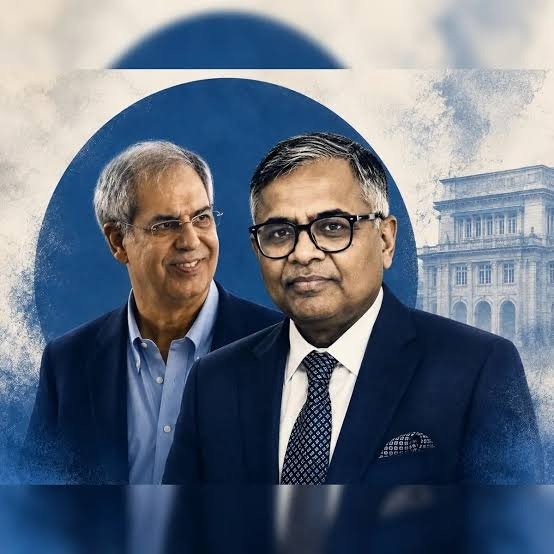
The search for a new Chairman of Tata Sons, India’s premier $185-billion conglomerate, has hit an unexpected governance roadblock just hours after launching.
Following N. Chandrasekaran’s announcement that he will not seek another term as Chairman upon the conclusion of his tenure in February 2027, Tata Trusts has initiated the succession framework. However, the process faces a legal challenge involving the Sir Ratan Tata Trust (SRTT)—one of the two principal trusts controlling the holding company.
With key institutional milestones approaching, including the Tata Sons Annual General Meeting (AGM), Tata Trusts is weighing moving the Bombay High Court to lift a regulatory restriction placed on SRTT so that it can participate in core decisions.
The SRTT Dilemma: Why a Restraining Order Stalls Succession
At the heart of the deadlock is a restraining directive issued by the Maharashtra Charity Commissioner against the Sir Ratan Tata Trust.
The regulatory order stems from a legal challenge regarding the composition of SRTT’s Board of Trustees, specifically over permanent trustee appointments following amendments to the Maharashtra Public Trusts Act. While the matter remains under review by the regulator, the ex-parte directive currently bars SRTT from convening formal board meetings, passing official resolutions, or participating in joint philanthropic and corporate governance decisions.
This restriction poses an immediate hurdle for Tata Sons under Article 118 of its Articles of Association:
-
Mandatory Joint Quorum: To nominate a new Chairman, Tata Sons must constitute a five-member selection committee. Three of these members must be jointly selected by the Sir Dorabji Tata Trust (SDTT) and the Sir Ratan Tata Trust (SRTT).
-
Shareholding Power: Together, SDTT (holding a 27.9% stake) and SRTT (holding a 23.5% stake) control over 51% of Tata Sons.
-
Unilateral Inability: While SDTT—chaired by Noel Tata—met and passed a formal resolution to begin setting up the selection panel, it cannot legally proceed with the appointments without SRTT’s co-signature and formal participation.
Pressure Mounts Ahead of the AGM
The urgency for a legal resolution is intensified by upcoming calendar deadlines:
-
Tata Sons Board Extension: Although Chandrasekaran’s term as Chairman runs until February 20, 2027, his continued tenure on the Tata Sons board hinges on his reappointment at the upcoming shareholder AGM.
-
Joint Nominee Approvals: Under Tata Sons’ internal statutes, nominee directors representing the majority shareholder trusts must be endorsed by both primary trusts acting together. With SRTT unable to vote or pass resolutions, formal representation at the shareholder meeting could face technical objections.
The Legal Strategy: Relief from the Regulator or Bombay High Court
People familiar with the matter indicate that Tata Trusts has appealed directly to the Maharashtra Charity Commissioner’s office to grant an interim suspension or modification of the restraining order.
Should the Charity Commissioner fail to grant immediate relief, Tata Trusts is preparing to file an urgent petition before the Bombay High Court. A legal stay from the High Court would restore SRTT’s voting capacity, allowing its trustees to join SDTT in formally nominating the selection committee members and ensuring a smooth transition of power at India’s largest corporate enterprise.
