

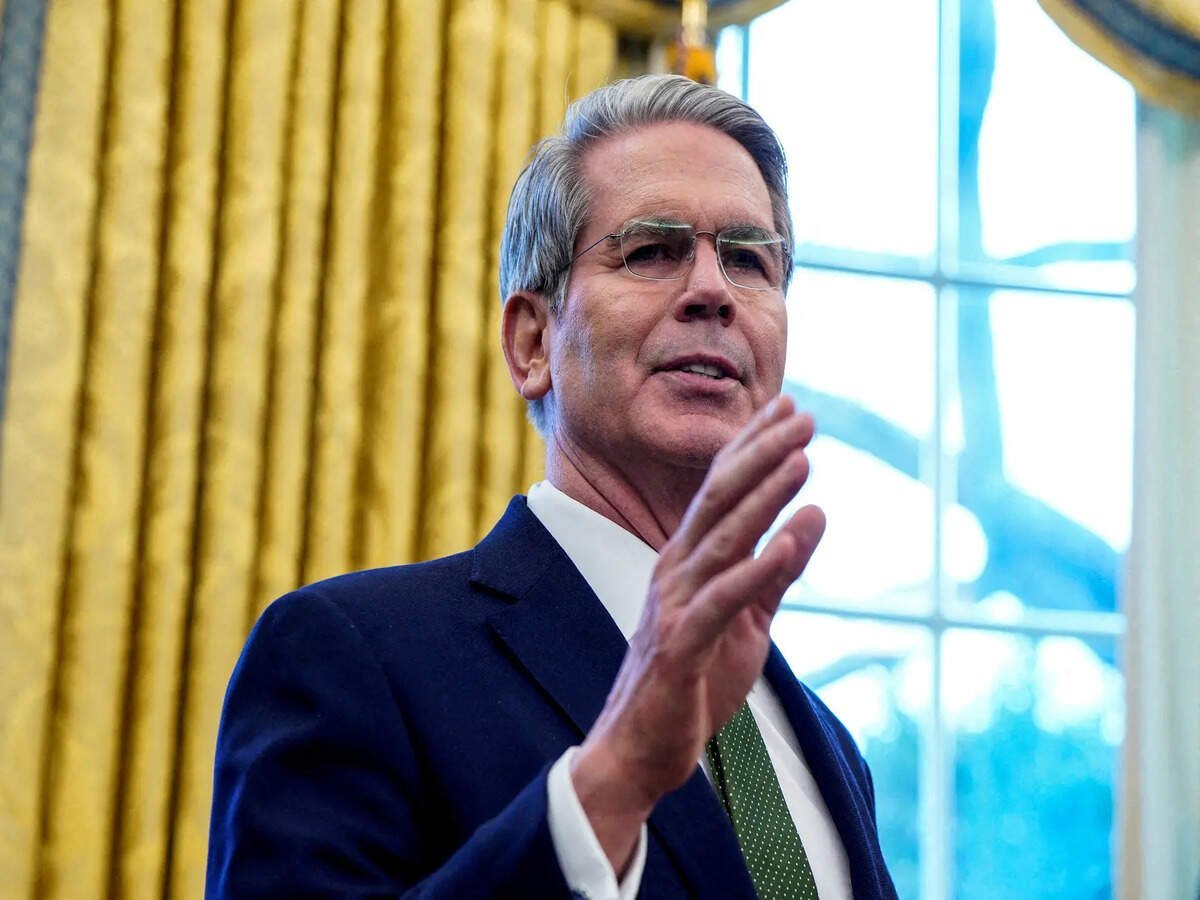
U.S. Treasury Secretary Scott Bessent’s push to lower elevated borrowing costs through expanded Treasury bond buybacks has offered only temporary relief, with long-term Treasury yields resuming their upward climb.
Key Takeaways & Market Context
-
The Buyback Intervention
-
The U.S. Treasury surprised financial markets by announcing plans to at least double its debt repurchase program—increasing long-dated bond buybacks from $2 billion to $4 billion per operation.
-
Treasury Secretary Scott Bessent later indicated the administration could further expand repurchase efforts to contain long-term yields.
-
-
Yield Volatility & High Borrowing Costs
-
The initial announcement triggered a brief rally in bonds, pulling yields down from 20-year highs in 10-year and 30-year Treasuries.
-
However, the relief proved short-lived. Long-term yields climbed back up as fundamental market pressures—ranging from elevated inflation driven by rising oil prices to broader fiscal deficits—continued to weigh on market sentiment.
-
-
Strategic & Economic Concerns
-
“Soft Financial Repression”: Financial analysts compare the buyback expansion (financed partly by issuing short-term Treasury bills) to a soft form of “Operation Twist.”
-
Pressure on the U.S. Dollar: Market strategists caution that if Treasury interventions artificially suppress yield adjustments while the national debt expands, foreign exchange markets could compensate, placing downward pressure on the dollar.
-
Inflation & Fiscal Pressure: With national debt exceeding $40 trillion and energy prices rising due to ongoing geopolitical conflicts, investors remain wary that buybacks alone cannot offset structural fiscal expansion without broader monetary or policy adjustments.
-
