

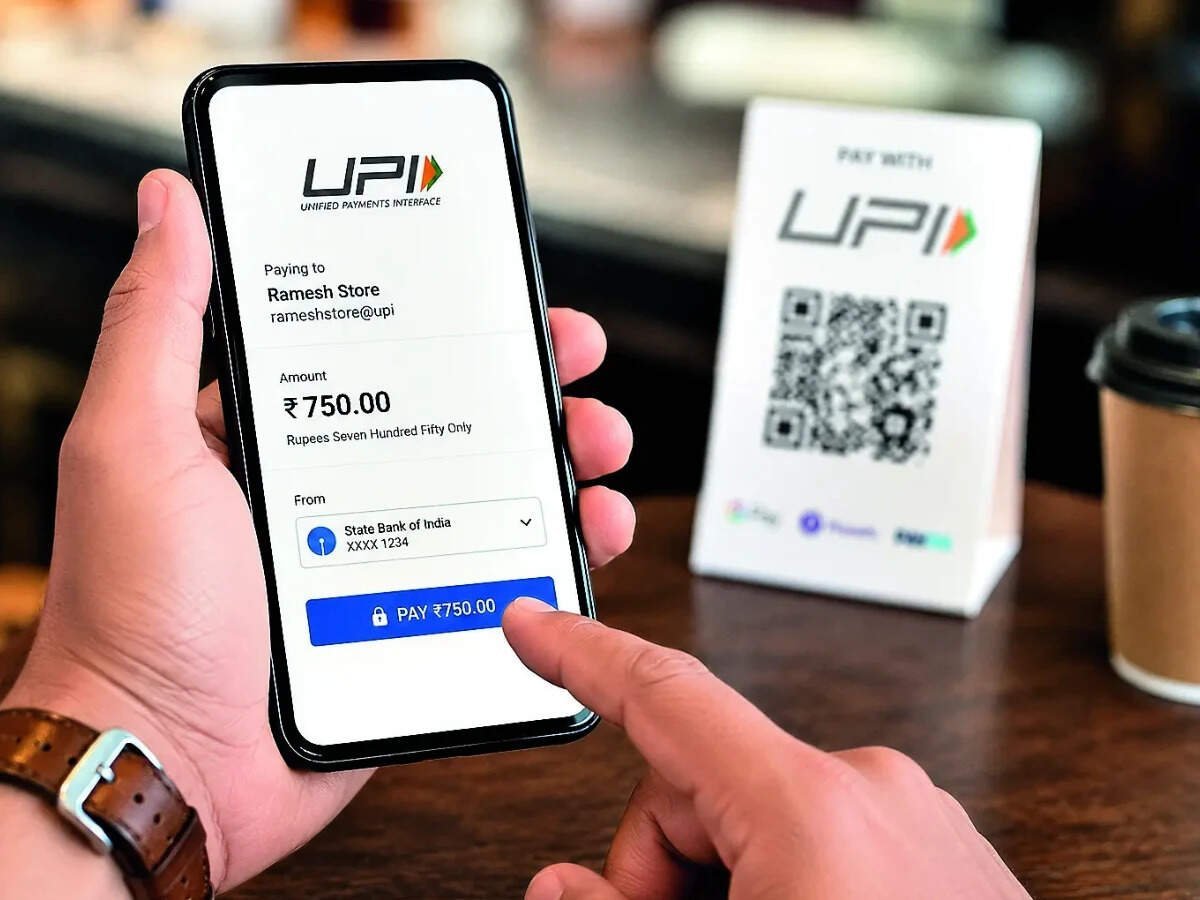
India’s flagship real-time payment rail, the Unified Payments Interface (UPI), has completed a decade of operations, recording an extraordinary transformation in the global fintech landscape. Developed by the National Payments Corporation of India (NPCI) and launched in 2016, UPI has grown from a modest pilot project into the primary driver of India’s cashless digital economy.
Decadal Growth & Scale Highlights
-
13,000-Fold Volume Surge: Annual transaction volumes have skyrocketed from under 100 million transactions in its initial rollout phase to handling over 130 billion annual transactions, marking a roughly 13,000-fold expansion.
-
Massive Value Transfer: UPI now accounts for more than 80% of total retail digital payment volumes in India, processing monthly transaction values consistently surpassing ₹20 lakh crore ($240+ billion).
-
Retail & Micro-Merchant Penetration: Over 300 million unique users and 50 million merchants actively utilize QR code-based and app-based UPI settlements, bridging urban commerce with rural financial inclusion.
Key Technological & Strategic Enablers
-
Zero-MDR Architecture: Government policy waiving Merchant Discount Rates (MDR) for UPI transactions accelerated mass adoption among small Kirana stores and micro-entrepreneurs.
-
Interoperability & Open Architecture: Built on top of the Immediate Payment Service (IMPS) infrastructure, UPI allowed third-party application providers (TPAPs) like PhonePe, Google Pay, and Paytm to innovate rapidly on user interface and experience.
-
Feature Innovations: Recent additions—such as UPI Lite for offline/low-value micro-transactions, Credit Lines on UPI, AutoPay for recurring subscriptions, and RuPay Credit Card linking—have further boosted average daily transactions.
-
Global Footprint Expansion: NPCI International Payments Limited (NIPL) has expanded cross-border UPI integration to nations including Singapore (PayNow link), the UAE, France, Mauritius, Sri Lanka, and Nepal for cross-border remittances and merchant payments.
