

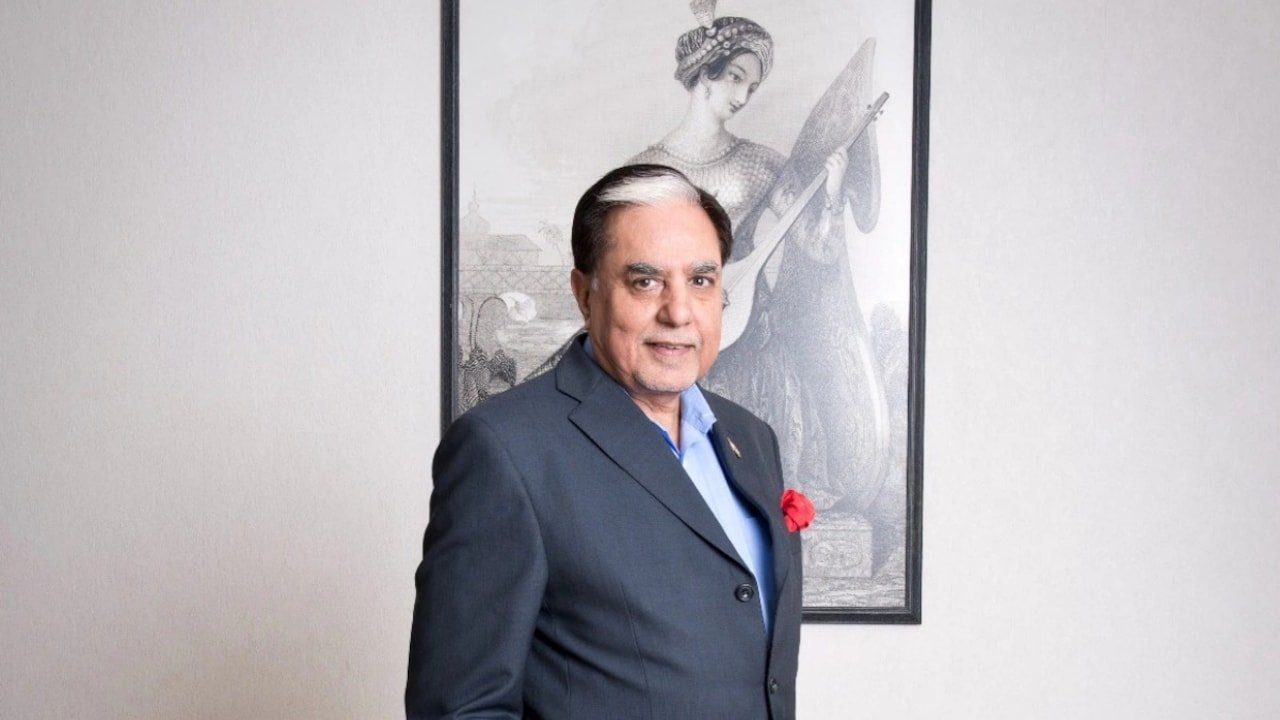
Amid fierce backlash from institutional lenders over his personal insolvency resolution plan, Essel Group Chairman Subhash Chandra has stepped forward to reassure creditors, committing to a transparent reconciliation of outstanding balances and debt settlements across group entities.
Addressing the Debt Legacy
The assurances come on the heels of mounting friction between Chandra and major banking institutions regarding a personal insolvency resolution plan that cleared with a 61.78% majority vote. Addressing the broader financial picture, Chandra emphasized that the Essel Group has successfully repaid roughly ₹43,000 crore out of its total historical debt of ₹45,000 crore, leaving a remaining balance tied up in complex asset-liability disputes.
While dissenting lenders—including heavyweights like HDFC Bank and Canara Bank—prepare legal challenges against the approved settlement framework, Chandra urged financial institutions to engage directly with borrowers.
The Path Forward: Reconciliation Over Conflict
Chandra maintained that underlying borrowers whose loans were backed by his personal guarantees have given assurances to settle valid remaining claims. Key elements of the proposed path forward include:
-
Account Reconciliation: Pushing for structured discussions between lenders and corporate borrowers to clear up contested claim amounts and reconcile conflicting ledger figures.
-
Settling Outstanding Exposures: Committing group-linked entities to clear verified dues once formal account alignments are achieved.
-
Managing Personal Guarantees: Balancing a personal settlement layout—comprising ₹6.25 crore from personal resources alongside ₹1,494 crore covered by associated entities—against admitted creditor claims totaling over ₹22,000 crore.
Even as creditors push appellate tribunals to contest the NCLT-approved settlement on grounds of related-party voting dominance, the Essel Chairman’s call for reconciliation signals an intent to bridge the chasm with institutional lenders through direct dialogue.
