

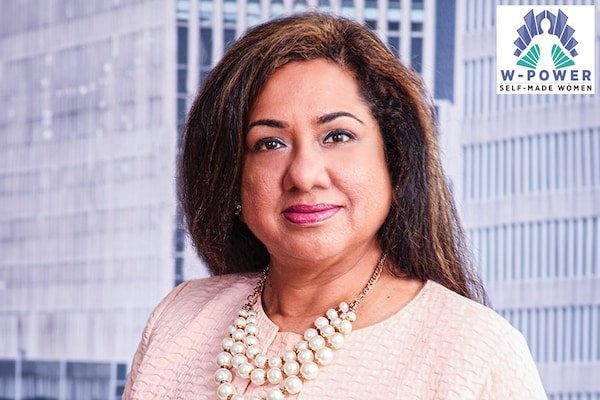
Despite persistent geopolitical conflicts, macroeconomic uncertainty, and shifting interest rate regimes, global dealmaking is exhibiting astonishing resilience. According to Anu Aiyengar, Global Chair of Investment Banking at J.P. Morgan, the corporate landscape is witnessing a surprising surge in mega-transactions, with numerous deals exceeding the $10 billion threshold.
The Paradox of Global M&A Resilience
Traditionally, geopolitical friction and market volatility serve as powerful deterrents for corporate boards considering large-scale mergers and acquisitions (M&A). However, modern dealmaking dynamics have flipped conventional wisdom. Speaking on global capital trends, Aiyengar highlighted that institutional investors and corporate giants are increasingly looking past macro-level friction to pursue transformative, high-value transactions.
Key drivers fueling this high-stakes deal activity include:
-
Strategic Consolidation: Companies are deploying accumulated capital to acquire critical market share, secure supply chains, and eliminate competitors amid shifting global trade corridors.
-
The AI and Technology Imperative: Massive capital requirements for next-generation technology and artificial intelligence infrastructure are forcing corporations into high-value partnerships and buyouts.
-
Dry Powder Deployment: Private equity and institutional funds holding substantial unallocated capital are under mounting pressure to deploy funds into high-growth sectors, turning structural volatility into strategic buying opportunities.
India as a Bright Spot for Global Capital
Amid broader discussions on where global smart money is heading, India has emerged as a premier destination for cross-border investment. With robust domestic consumption, expanding industrial capabilities, and massive capital inflows targeting sectors like technology, infrastructure, and financial services, India continues to buck global slowdown trends, positioning itself as a cornerstone for future M&A growth.
As corporate leaders adapt to a “new normal” of persistent geopolitical friction, Aiyengar’s insights signal that the appetite for monumental corporate restructuring remains remarkably robust.
