

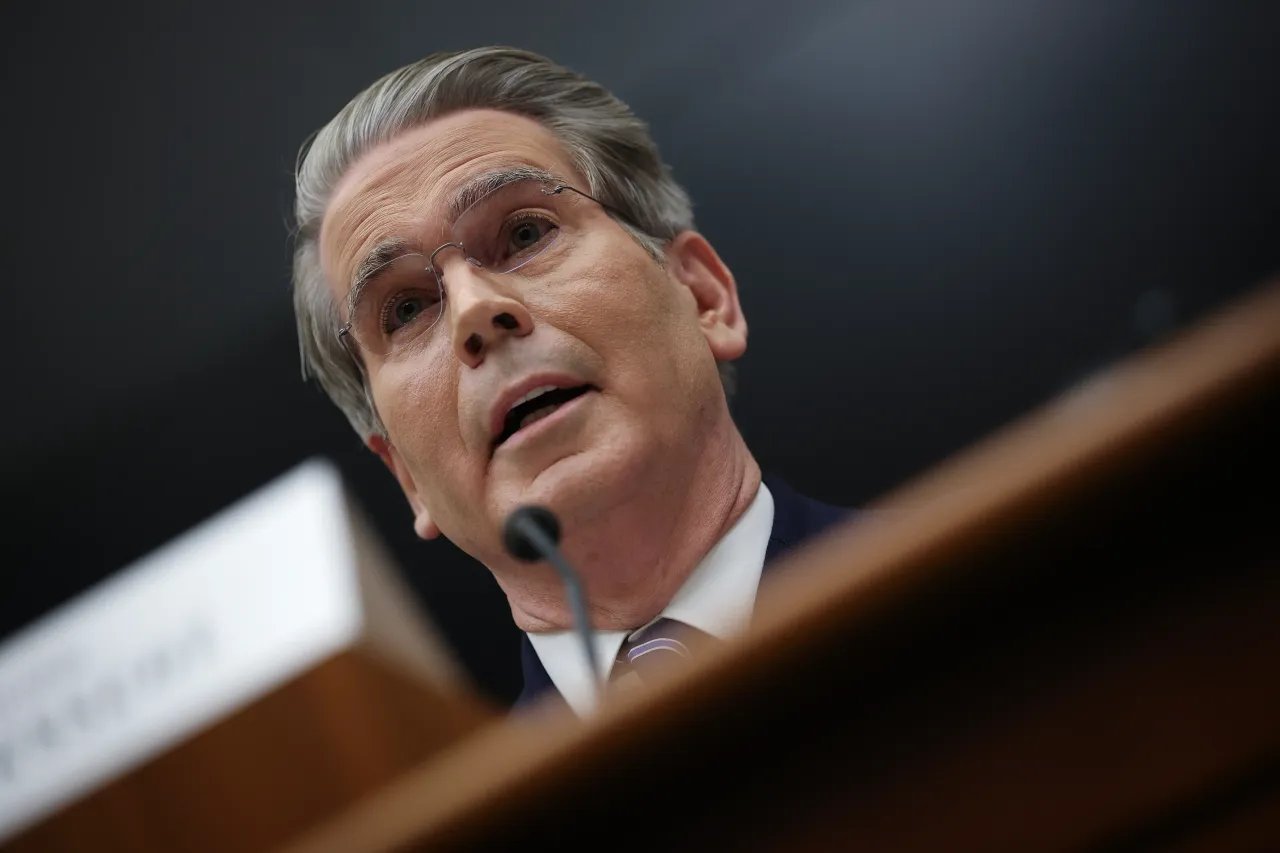
US Treasury Secretary Scott Bessent has projected that global crude oil prices could plummet to as low as $40 to $50 a barrel once the ongoing military conflict with Iran reaches a resolution. Speaking during an interview, Bessent attributed this steep potential decline to a forthcoming structural oversupply in the global energy market, pointing out that substantial new production capacity is poised to come online.
The Treasury chief’s remarks arrive at a time when geopolitical tensions have significantly roiled energy markets. Recent missile exchanges and security threats surrounding critical shipping lanes like the Strait of Hormuz have pushed Brent crude above $95 a barrel and West Texas Intermediate (WTI) near $91. This energy spike has directly stoked fears of sticky headline inflation, driving benchmark global bond yields—including 10-year US Treasury rates—to their highest levels since 2023. Emphasizing the strong macroeconomic transmission between energy costs and public debt instruments, Bessent noted that interest rates currently exhibit their highest historical correlation to oil prices, meaning that the eventual cessation of hostilities and subsequent normalization of oil markets will naturally drag down borrowing costs and inflation.
Addressing separate concerns regarding foreign demand for US government debt, Bessent downplayed a recent proposal by Norway’s sovereign wealth fund—one of the world’s largest institutional investors—to trim its holdings of US Treasuries by an estimated $75 billion. Rather than signaling a loss of confidence in American debt amid a record federal debt load crossing $40 trillion, Bessent characterized the move as a portfolio adjustment aimed at maximizing yields. He welcomed the prospect of the Norwegian fund shifting capital into other high-grade American housing-finance assets, expressing strong support for investments in government-backed paper issued by Fannie Mae, Freddie Mac, and Ginnie Mae.
