

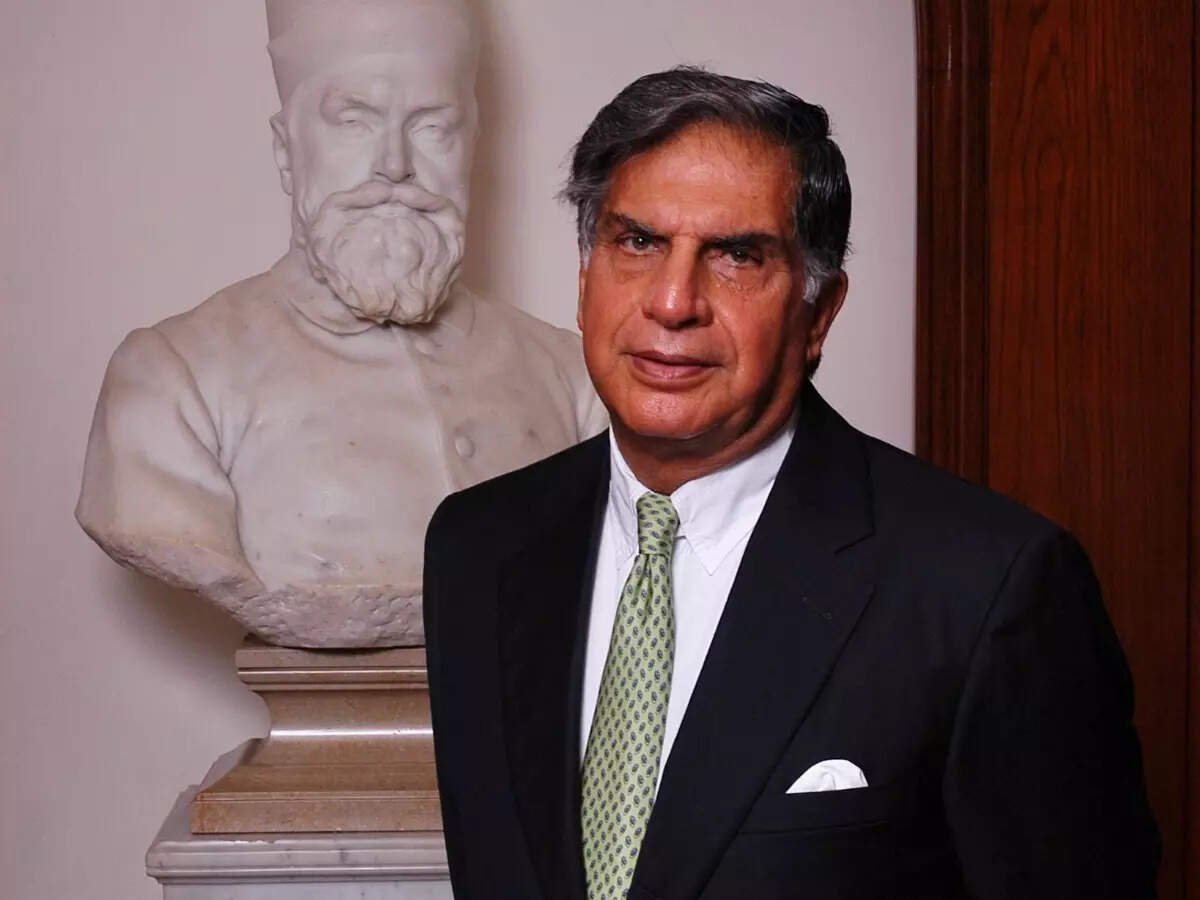
The legacy of the late industrialist Ratan Tata has run into a legal and administrative hurdle regarding a major portion of his estate. At the heart of the controversy is an estimated Rs 10,000 crore worth of Tata Sons shares that Ratan Tata willed to charitable trusts, which face a challenge stemming from an old family agreement.
The Core Issue: The 1989 Family Agreement
The dispute traces back to 1989, when the Navajbai Ratan Tata Trust (NRTT) transferred a block of Tata Sons shares to Ratan Tata’s father, Naval Tata.
To ensure that the prized holdings of the country’s premier conglomerate remained tightly bound within the Tata family, strict conditions were drafted under the guidance of legendary jurist Nani Palkhivala. The terms mandated that:
-
Naval Tata could not sell or transfer the shares to any third party.
-
Any future transfer was strictly restricted to his immediate family members (his wife or children), who would similarly be bound by the same inheritance covenants.
The Conflict: Will vs. Covenant
Following Naval Tata’s distribution of shares among his sons, Ratan Tata eventually held a 0.83% stake in Tata Sons—valued today in the ballpark of Rs 10,000 crore.
When Ratan Tata passed away, his will allocated these shares to independent charitable endowments—specifically the Ratan Tata Endowment Trust (RTET) and the Ratan Tata Endowment Foundation (RTEF).
This triggered a legal debate over whether a personal bequest to charities violates the restrictive covenants established by Naval Tata in 1989, which dictated that the shares must stay within the family line rather than being passed on to external or distinct corporate/charitable entities.
Recent Developments
-
Charity Commissioner’s Ruling: A recent order by the Maharashtra Charity Commissioner addressed the validity of the historical 1989 share transfer. While the regulator closed the inquiry into the 1989 transaction itself—ruling that it had followed due process and complied with laws at the time—the decision threw open questions regarding the interpretation of the legacy restrictions attached to those shares.
-
Potential Resolution: The ruling effectively grants the trustees of NRTT (which includes key figures like Noel Tata and Venu Srinivasan) the jurisdiction to review actions concerning the breach of the original share conditions.
Rather than heading straight into a protracted courtroom battle, legal experts and stakeholders are anticipated to pursue an amicable resolution between the executors of Ratan Tata’s will and the trust authorities to honor his philanthropic intent without flouting historical family pacts.
