

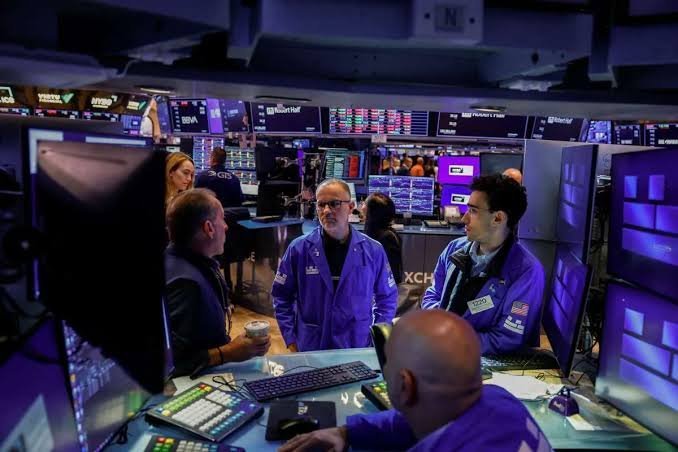
US Treasury yields saw a slight reprieve from their multi-decade highs on Friday. A drop in oil prices—sparked by hopes of a US-Iran truce—provided some much-needed support to the battered bond market. Meanwhile, the broader stock market shrugged off inflation fears and bond volatility, remaining remarkably resilient thanks to ongoing enthusiasm in the AI sector.
Here is a breakdown of the key market dynamics driving this shift:
Key Takeaways
-
Bond Market Volatility: After reaching highs not seen since 2007, the benchmark 10-year Treasury yield edged lower to 5.158%. The 30-year bond also touched levels last seen in 2004 before retreating. Notably, bond-market volatility (measured by the MOVE index) surged by 30% this week.
-
Oil & Geopolitics: Crude prices fell roughly 3% on optimism surrounding a potential US-Iran truce, despite lingering concerns over Houthi attacks on Saudi Arabian energy supplies. On the diplomatic front, a heavily symbolic White House summit between US President Donald Trump and Chinese President Xi Jinping yielded no major breakthroughs on thorny issues like AI, trade, or Taiwan.
-
AI Keeps Stocks Afloat: Despite a four-month low in US consumer sentiment due to inflation fears, equities rallied. Microsoft led the charge, jumping 3.66% after unveiling new AI agent and coding capabilities for its Copilot app, lifting the Dow, S&P 500, and Nasdaq higher.
-
Currency & Gold: Morgan Stanley analysts project the US dollar will remain strong into 2027 due to robust US growth and favorable interest rates. However, the dollar weakened over 1% against the yen following discussions between President Trump and Japanese Prime Minister Sanae Takaichi regarding yen weakness. Meanwhile, gold prices climbed to $4,291.25 an ounce.
-
Global Rate Pressures: Inflation isn’t just a US issue. Japan’s 10-year bond yield touched levels unseen since 1996, and major central banks globally continue to signal further rate hikes to combat sticky inflation.
