

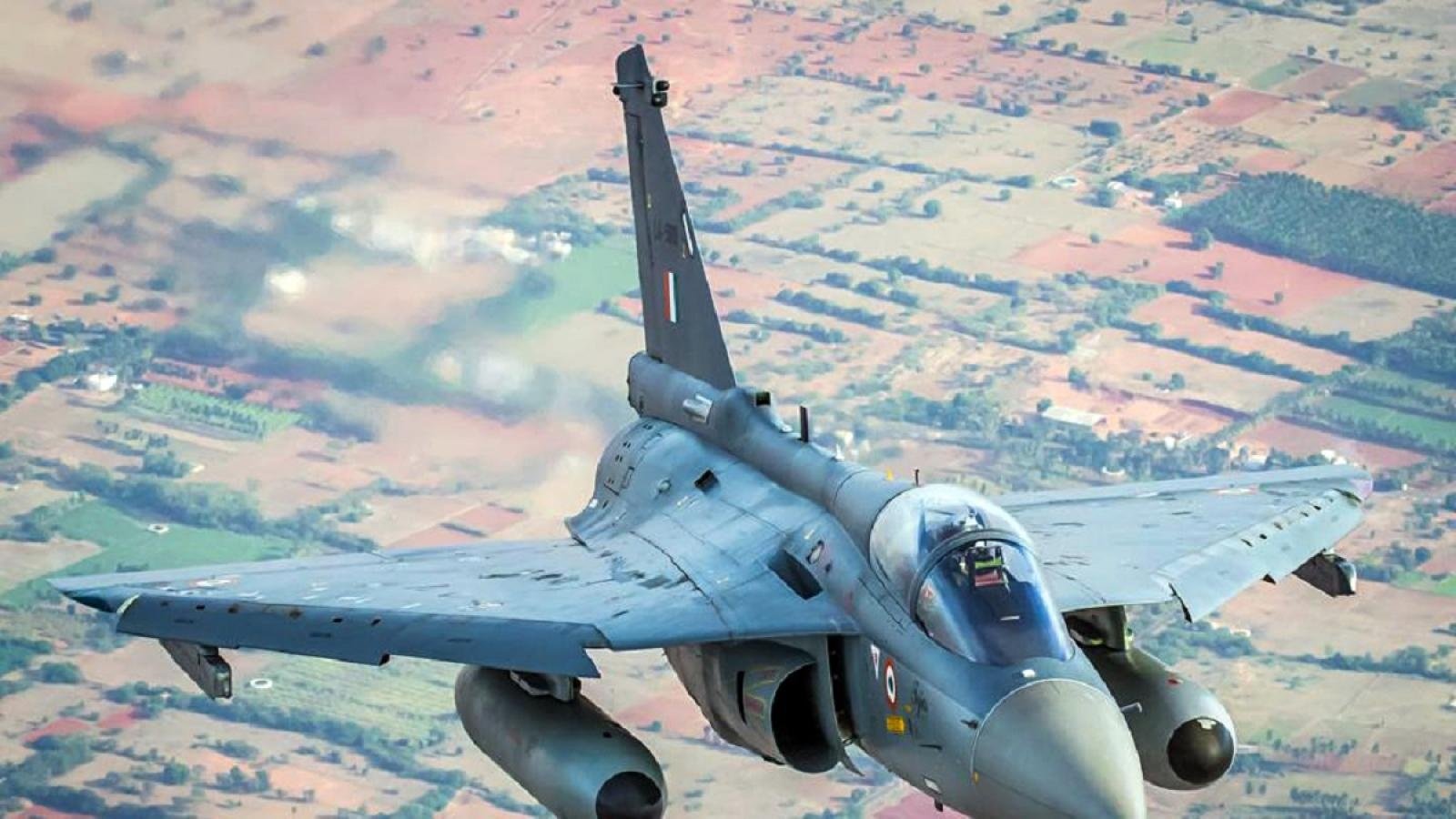
On April 15, 2026, Hindustan Aeronautics Limited (HAL) and GE Aerospace announced they have reached a final agreement on the technical matters for the co-production of F414 jet engines in India. This pact marks a historic shift in U.S.-India defense relations, involving a level of technology transfer previously reserved for the closest U.S. treaty allies.
Strategic Significance
This agreement is a cornerstone of India’s push for Atmanirbhar Bharat (Self-Reliant India) in the defense sector.
-
Indigenous Power: The F414 engines will power India’s LCA Tejas Mk2 and the upcoming AMCA (Advanced Medium Combat Aircraft) fifth-generation fighters.
-
Modernizing the Fleet: India plans to induct 120 to 130 of these next-generation fighters to replace its aging fleet of Russian-made jets.
-
Tech Transfer: Unlike previous “off-the-shelf” purchases, this deal includes the transfer of critical manufacturing expertise, allowing HAL to produce and maintain high-performance engines domestically.
HAL Stock Performance (Midday Update)
The market responded positively to the announcement. As of 2:44 PM IST on April 15, 2026, HAL’s stock showed strong momentum:
| Metric | Value (NSE/BSE) |
| Current Price | ₹4,231.90 |
| Change | +₹132.00 (3.22%) |
| Day High | ₹4,238.00 |
| 52-Week High | ₹5,166.00 |
Global Context
While the GE deal is the primary focus, India is not putting all its eggs in one basket. The government continues to hold parallel discussions with:
-
France (Safran): For joint development of an engine for the AMCA.
-
UK (Rolls-Royce): For marine and fighter engine technology.
-
Japan: Exploring high-tech defense collaborations.
Technical Insight: The GE F414 engine is a battle-proven powerhouse, having served the U.S. Navy for over 30 years. Its integration into Indian fighters will provide a significant leap in thrust, reliability, and electronic warfare capabilities compared to the current F404 engines used in the Tejas Mk1.
