

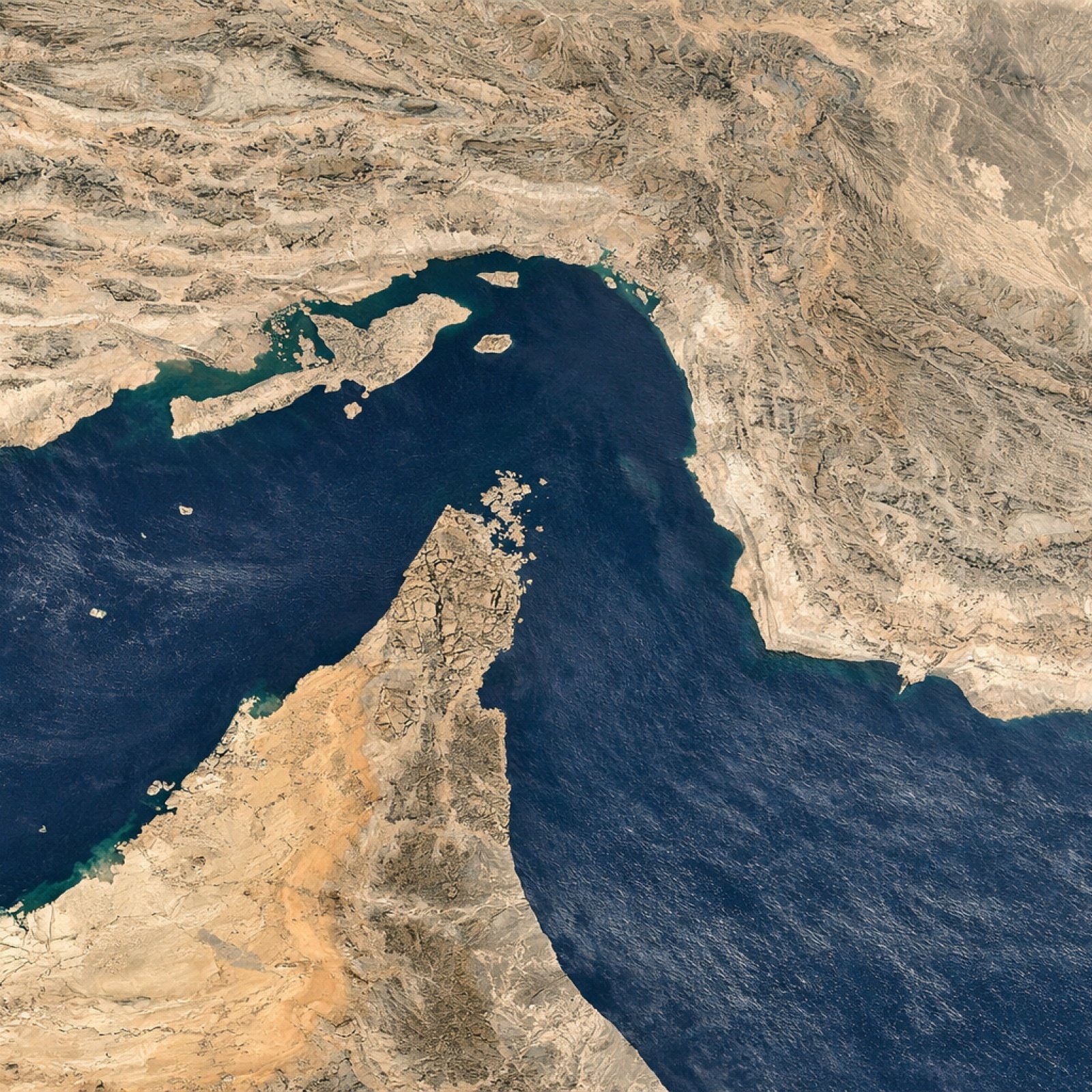
On April 17, 2026, Iran officially declared the Strait of Hormuz fully open to all commercial shipping traffic. This landmark move is linked to a 10-day ceasefire between Israel and the Iran-backed group Hezbollah in Lebanon—a deal brokered with heavy involvement from the United States and negotiators in Pakistan.
The Official Declaration
Iranian Foreign Minister Abbas Araghchi confirmed the reopening via social media, framing it as a direct consequence of the de-escalation in Lebanon.
-
Coordinated Transit: Vessels are required to follow a specific route designated by Iran’s Ports and Maritime Organisation.
-
Duration: The opening is currently tied to the “remaining period of the ceasefire.”
-
Trump’s Response: In a characteristic all-caps post on Truth Social, Donald Trump celebrated the move: “IRAN HAS JUST ANNOUNCED THAT THE STRAIT OF IRAN IS FULLY OPEN AND READY FOR FULL PASSAGE. THANK YOU!”
Immediate Market Impact: Oil Prices Tumble
The reopening of the world’s most critical oil chokepoint provided an instant release valve for global economic tension.
| Market Indicator | Movement | Value (approx.) |
| Brent Crude | ↓ 8.5% – 9% | $90.93 per barrel |
| Price Drop | -$8.46 | — |
| Global Sentiment | Sharp Rally | Major indices moved higher on news of energy security. |
Diplomatic Friction: Temporary vs. Comprehensive
While the Strait is open, the underlying diplomatic landscape remains complex and “fragile”:
-
Tehran’s Hardline Stance: Iran’s Deputy Foreign Minister clarified that Tehran does not support a temporary pause. Instead, they are pushing for a comprehensive end to the conflict across the entire region.
-
Netanyahu’s Position: Israeli PM Benjamin Netanyahu agreed to the ceasefire “to advance” peace but explicitly stated that Israeli troops would not withdraw from their current positions.
-
Hezbollah’s Demand: The group insisted that any ceasefire must cover all Lebanese territory and forbid any Israeli “freedom of movement” within those borders.
The “Islamabad Connection”
The breakthrough appears to be a direct result of secret negotiations held in Islamabad, Pakistan, last week. Ending the conflict between Israel and Hezbollah was a non-negotiable demand from Iranian negotiators in exchange for reopening the Strait.
The Strategic Context
This de-escalation comes at a time of extreme maritime pressure. The US recently redirected the USS George HW Bush around Africa to avoid Houthi threats in the Red Sea and deployed the MQ-4C Triton drone over Cuba to monitor regional rivals. By opening the Strait, Iran has effectively shifted the “chess pieces,” forcing a pause in the naval blockade logic that had brought the global economy to the brink.
