

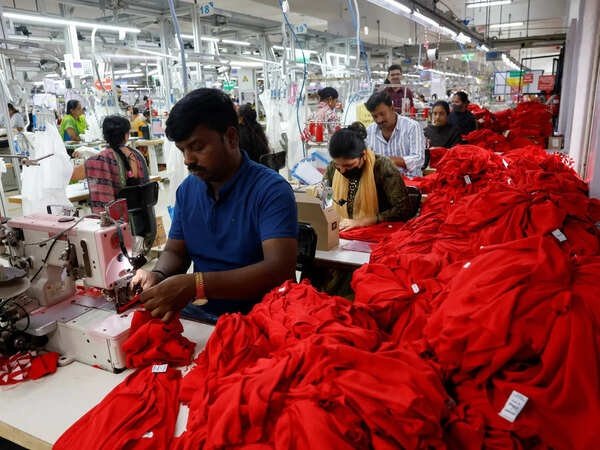
The Indian textile and apparel sector has weathered a grueling period of financial distress. Punitive US tariffs severely disrupted orders to the industry’s single largest export destination, drastically squeezing profit margins and causing major overseas retail clients to pause or delay key sourcing decisions.
However, the persistent narrative of tariff trouble is rapidly shifting into the rearview mirror. Strong indications of a finalized India-US trade agreement—evidenced by the execution of a breakthrough interim framework that slashes reciprocal tariffs down to 18%—have dramatically injected optimism back into the sector. With the structural barriers easing, financial analysts see an upside potential of up to 27% across five prominent textile stocks. Yet, deciding whether this space belongs in your portfolio depends entirely on identifying where individual companies sit within the complex textile value chain.
The Turning Point: Why the Outlook is Shifting
The textile industry was heavily beleaguered even before broader geopolitical tensions in the West Asia and Gulf regions triggered a wider market correction. The primary catalyst for the current structural turnaround is the definitive breakthrough in trade relations between New Delhi and Washington.
The 18% Factor: Under the newly agreed framework, the US is reducing trade tariffs on Indian-origin garments and textiles to a flat 18%. This moves India on par with—and in some instances slightly ahead of—dominant regional competitors like Vietnam and Bangladesh, effectively resetting global sourcing strategies back in India’s favor.
The US market represents nearly 28% of India’s aggregate textile exports. For heavily export-oriented operations, this tariff relief translates to immediate pricing power, higher manufacturing capacity utilization, and a path toward steady margin recovery.
5 Textile Stocks Gaining Structural Momentum
While the broader macroeconomic tide is rising, stock performance is highly split between raw material/spinning operators and high-value garment exporters. These five market leaders stand to benefit most directly from the evolving policy tailwinds:
| Company | Value Chain Segment | Strategic Advantage & US Exposure |
| Gokaldas Exports | Garment & Apparel Manufacturing | High Exposure: Directly tied to major US apparel brands; acts as a pure play on apparel demand normalization. |
| Welspun Living | Home Textiles (Bed/Bath) | Deep Retail Integration: Boasts deep-seated vendor relationships with massive US big-box retail chains. |
| KPR Mill | Vertically Integrated Apparel | Margin Resilience: Complete end-to-end operational integration protects them against raw material spikes. |
| Indo Count Industries | Home Textiles (Bed Linens) | Focused Portfolio: Extremely high revenue concentration in the US home textile market. |
| Vardhman Textiles | Yarn and Fabric Production | Input Cost Relief: Positioned to capture massive volume gains as local downstream garment makers ramp up production. |
Critical Factors Moving Forward
While structural trade tailwinds lay a strong foundation, the sector’s multi-year rally is not entirely without risks. Savvy market participants must balance their optimism against two critical variables:
-
US Consumer Discretionary Spending: Tariff reductions ensure Indian goods are priced competitively, but actual earnings growth relies heavily on the underlying health of retail demand in the United States.
-
Input Cost Stability: The government’s recent strategic interventions—such as implementing rolling customs duty exemptions on raw cotton imports—have successfully eased immediate supply-chain strains. Sustaining these normalized input costs will be critical to protecting the industry’s recovering margins over the coming fiscal quarters.
