

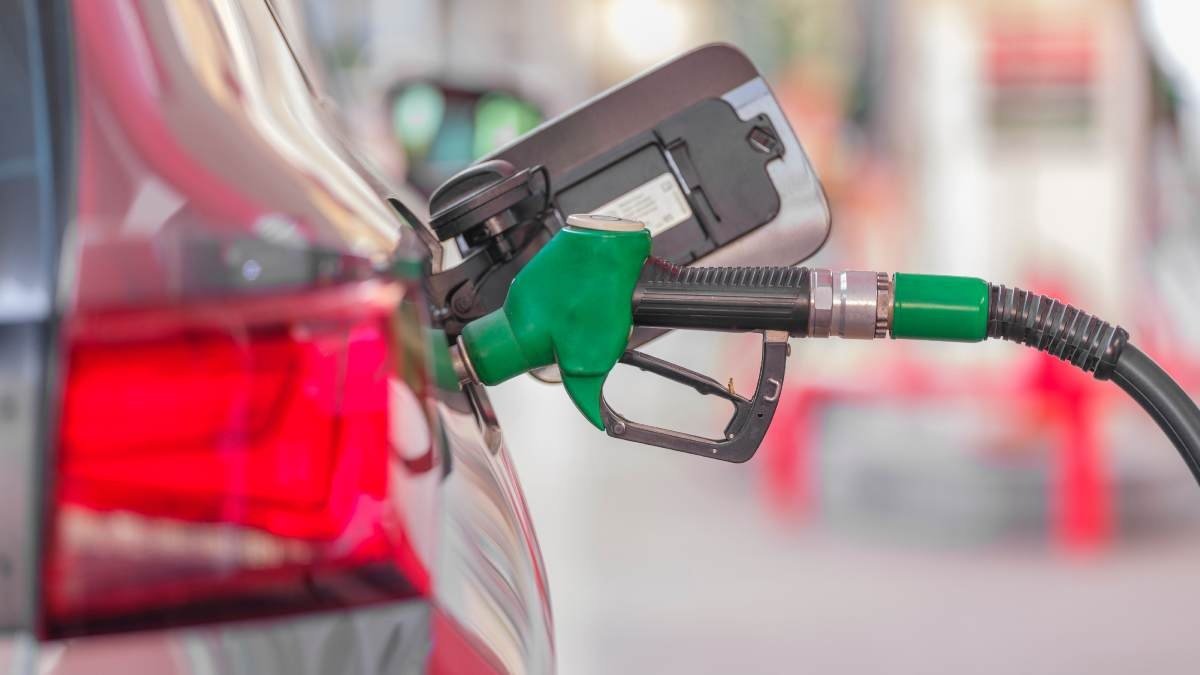
In a significant regulatory push toward sustainable energy, the Indian Government has officially extended central excise duty exemptions to cover higher variants of Ethanol-Blended Petrol (EBP). According to a Finance Ministry notification, the tax relief now explicitly applies to four higher-concentration biofuel mixtures: E22 (22% ethanol), E25 (25%), E27 (27%), and E30 (30%).
The structural policy update is designed to align with India’s long-term clean energy targets, slash its heavy dependency on expensive crude oil imports, and lay down the foundational tax framework for the widespread adoption of flex-fuel vehicles.
Understanding the Change: How the Tax Structure Works
While the announcement highlights an “exemption,” government officials clarify that this functions primarily as an accounting corrective rather than a sudden retail tax cut. It specifically targets the legal mechanics of how fuel is mixed.
-
Fixing the “Manufacturing” Fiction: Under standard Central Excise law, the physical act of mixing ethanol into petrol at oil depots is technically classified as a “manufacturing activity.” Without an explicit waiver, the government would be legally forced to levy a second round of excise duty on the already-taxed elements during the blending process.
-
Eliminating Double Taxation: The new notification removes this tax cascading. The base petrol component continues to attract its standard central excise duty, while the bio-ethanol component faces its regular Goods and Services Tax (GST). The actual process of blending them remains entirely duty-free, mimicking the existing setup for lower blends like E5, E10, and E20.
The Fine Print: Sticking to Quality Benchmarks
The tax waiver carries a strict caveat. To legally qualify for the excise exemption, all fuel batches must strictly conform to the exact quality and chemical stability specifications mandated by the Bureau of Indian Standards (BIS). This ensures that as the country safely pushes the envelope with higher chemical mixtures of biofuels, the resulting fuel remains completely safe and optimized for internal combustion engines.
Market Impact: A Cushion for Fuel Retailers
Energy analysts note that this move will provide a noticeable financial cushion for the country’s public and private oil marketing companies.
Because fuel retailers are highly unlikely to pass this structural backend tax benefit down to the end consumer at the retail pump, the reduced overhead from eliminating cascading taxes will go directly toward improving the squeezed profit margins of stressed domestic fuel marketing firms.
Real-World Timeline: Is E30 Rolling Out Tomorrow?
The short answer is no. Petroleum Ministry officials have strongly emphasized that this legislative change is a preliminary prerequisite rather than an immediate commercial product rollout.
While extending the waiver to E22 through E30 prepares the tax code for the future, a widespread commercial launch of these higher blends across India will only happen after exhaustive vehicle testing, extensive automotive manufacturer consultations, and comprehensive engine compatibility trials.
