

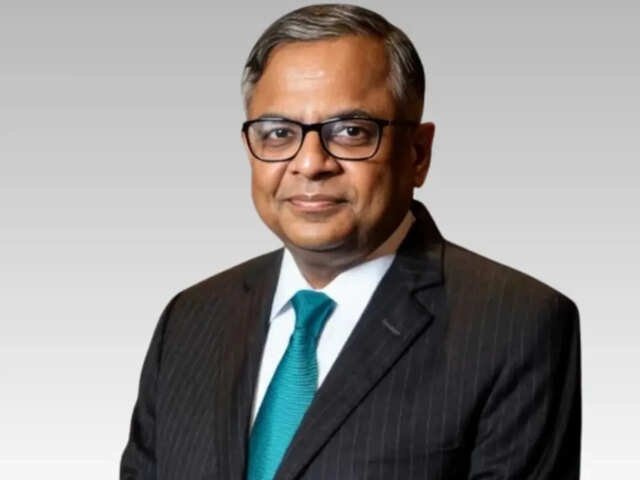
The position of Tata Sons Chairman N Chandrasekaran on the company’s board is up for institutional renewal at the upcoming Annual General Meeting (AGM) scheduled for August 18. Because his executive chairmanship is legally contingent on holding a director’s seat on the board, this rotation by standard rules serves as a critical operational checkpoint for the multi-billion dollar conglomerate.
While board renominations have historically been handled as standard corporate procedures within the salt-to-software conglomerate, changing stakeholder alignments have placed the upcoming vote under intense corporate scrutiny.
The Dynamic Shift Within the Tata Trusts
A unique legal landscape frames this year’s upcoming general meeting. Recent regulatory actions by the Maharashtra Charity Commissioner have temporarily restricted the voting rights of the Sir Ratan Tata Trust. As a result, the Sir Dorabji Tata Trust (SDTT) stands as the sole principal philanthropic foundation under the Tata umbrella eligible to cast a ballot.
While SDTT owns roughly 27% of Tata Sons’ equity, senior officials note that a consensus across the broader trustee network remains a practical necessity before any definitive leadership action is finalized.
Leadership Renewal Stalled Over Strategic Differences
Though a second five-year term was granted to Chandrasekaran in early 2022, discussions regarding a formal third term have encountered boardroom resistance. A series of private board meetings have ended without a final decision, driven primarily by friction between executive management and Noel Tata, Chairman of the Tata Trusts.
Noel Tata has pushed to defer confirmation of a third term, bringing a specific set of operational conditions to the table:
-
Performance Bottlenecks: Concerns have been flagged regarding persistent losses inside key consumer-facing and digital acquisitions, specifically Air India and e-grocery platform BigBasket.
-
Capital Efficiency: Trustees have requested a thorough review of capital deployment schedules across capital-intensive, long-term tech plays like Tata Electronics and semiconductor manufacturing.
-
The Public Listing Dilemma: Tensions continue to rise following updated Reserve Bank of India (RBI) guidelines for upper-layer financial institutions. The new regulations could legally compel the traditionally private Tata Sons to pursue a public listing—a structural shift that the Tata Trusts firmly oppose to preserve their majority voting privileges.
Despite the ongoing boardroom negotiations, Chandrasekaran’s current executive contract remains fully secure until February 2027, insulating the day-to-day operations of the group’s 100+ subsidiary companies from immediate leadership transitions.
Noel Tata Delays Chandra’s Reappointment As Tata Sons Faces Listing, Governance Clash
This video details the underlying friction between Noel Tata and N Chandrasekaran over governance, listing mandates, and loss-making business verticals ahead of the crucial August meeting.
