

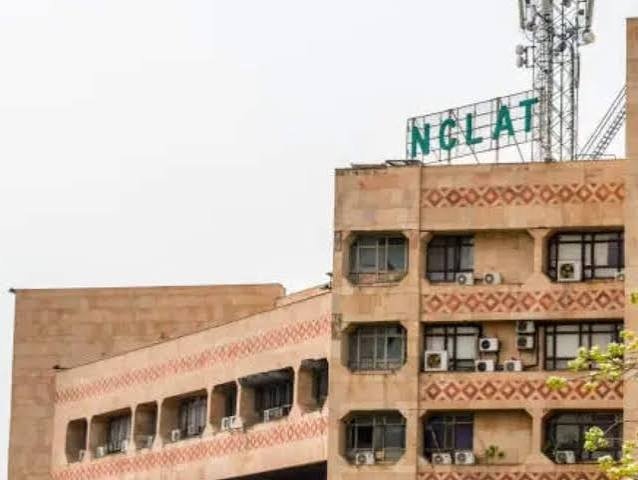
In a major legal victory for the government-appointed board of Infrastructure Leasing & Financial Services (IL&FS), the National Company Law Appellate Tribunal (NCLAT) has revived a critical plea targeting ₹1,080 crore in allegedly fraudulent and “circuitous” lending transactions.
The two-member appellate bench, led by Chairperson Justice Ashok Bhushan, completely set aside a controversial April 2026 ruling by the Mumbai bench of the National Company Law Tribunal (NCLT). The NCLAT ruled that the lower court had fundamentally “erred” by dismissing the case on preliminary technicalities rather than examining the massive regulatory fraud being alleged.
Anatomy of the Deception: How the “Circuitous” Deal Worked
The dispute centers on six complex financial transactions executed between IL&FS Financial Services Ltd (IFIN), SREI Infrastructure Finance Ltd (SIFL), and their respective group entities.
According to investigative findings by the Reserve Bank of India (RBI), the Serious Fraud Investigation Office (SFIO), and Grant Thornton, the money was moved in a highly deceptive circle to bypass strict regulatory safety nets:
By using SREI as an external “pass-through” conduit, IFIN was able to covertly pump funds right back into its own cash-strapped group companies. This illegal setup allowed IL&FS to heavily look after its own businesses while completely circumventing the RBI’s strict legal limits on group-level financial exposure.
Why the NCLAT Intervened
The Mumbai NCLT had originally thrown out IL&FS’s application to void the deals on April 13, 2026. The lower court reasoned that because SREI did not mutually agree to dissolve or “collapse” the transactions, the court could not legally force them to be unwound under Section 242(2)(f) of the Companies Act. The NCLT also downplayed the RBI’s investigative findings, labeling them as merely “advisory.”
The NCLAT strongly rejected this interpretation on several fronts:
-
Mutual Consent is Not Required for Fraud: The appellate tribunal clarified that an absence of mutual consent cannot be used to trap a company in an agreement if the transactions themselves are found to be a sham, fraudulent, or void from the beginning.
-
The Wide Powers of the Tribunal: The bench reiterated that Sections 241 and 242 of the Companies Act, 2013 grant courts expansive powers to protect public interest and dismantle corporate mismanagement.
-
Failure to Adjudicate: The NCLAT noted that the lower tribunal completely failed to review the actual evidence—including heavy-hitting reports from the SFIO, SEBI, and the RBI—which clearly detailed how the funds were deceptively routed to evade regulatory oversight.
What Happens Next?
With the NCLT’s dismissal formally set aside, CA No. 226/2025 has been officially revived. The case returns to the Mumbai NCLT for a fresh, comprehensive trial on the true merits of the fraud allegations.
The decision marks a critical milestone for the current IL&FS board, which voted back in March 2023 to aggressively unwind these illegal legacy networks as they continue to untangle the monumental financial collapse of the infrastructure lending giant.
