

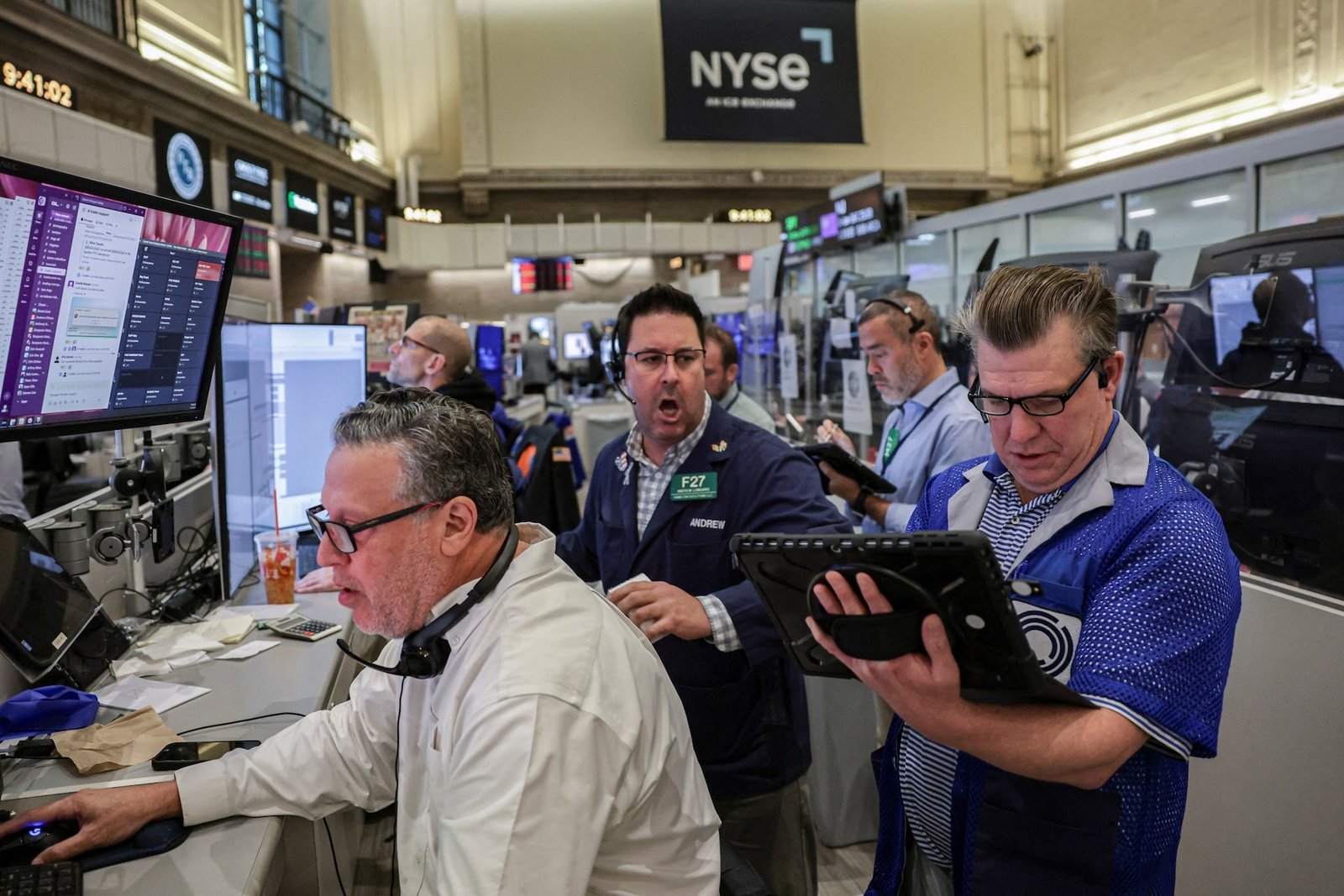
According to data from LSEG Lipper, global equity funds experienced a significant shift in capital allocation during the week ended May 20, recording their first weekly net outflow in nine weeks. Investors pulled a net $6.13 billion from global equity products, abruptly halting a steady buying streak that had been building since mid-March.
The primary trigger for this defensive shift is a sharp, concurrent surge in global bond yields, driven by sticky inflation fears and prolonged geopolitical friction in the Middle East.
1. The Trigger: A Two-Decade High in Borrowing Costs
The retreat from equities directly correlates with intense selling pressure in the fixed-income space, which sent yields spiraling upward.
-
The Yield Shock: The 30-year U.S. Treasury yield surged midweek to 5.201%—touching its highest level since 2007.
-
The Macro Fear: Ongoing military conflict involving Iran and fluid negotiations over the Strait of Hormuz have kept global energy risks elevated. Investors fear that structurally high crude prices (hovering around the $105–$110 per barrel mark) will feed a fresh wave of core inflation, forcing central banks like the U.S. Federal Reserve to keep interest rates higher for longer.
2. Regional Breakdown: U.S. and Emerging Markets Hardest Hit
The global outflow was highly uneven, with U.S. and emerging markets bearing the brunt of the capital flight, while Europe managed to buck the trend.
| Regional Fund Category | Net Weekly Flow (USD) | Underlying Market Sentiment & Run |
| U.S. Equity Funds | -$12.05 billion | Suffered its largest weekly liquidation since mid-March, marking its second net outflow in three weeks as investors locked in profits from recent index highs. |
| Emerging Market Equities | -$2.95 billion | Extended a painful losing streak into a fourth consecutive week, as a strong dollar and domestic inflationary pressures trigger capital flight. |
| Asian Equity Funds | -$570 million | Witnessed modest, selective risk-off liquidations amid regional currency volatility. |
| European Equity Funds | +$4.62 billion | Remained an outlier, steadily attracting international inflows as an alternative value play. |
3. Sectoral Rotation: The AI Shield vs. Cyclical Value Drains
Even within a broader equity sell-off, capital trends reveal an extreme concentration of momentum, with tech acting as a critical shield.
-
The Tech Phenomenon: Technology sector funds attracted a massive $6.94 billion in net weekly inflows. This marks the sector’s seventh successive week of positive flows, fueled by strong Q4 corporate earnings reports and unrelenting institutional demand for artificial intelligence infrastructure.
-
The Cyclical Drain: Conversely, higher baseline interest rates and fears of compression in corporate margins caused sharp rotations out of economically sensitive segments. Financial sector funds shed a net $2.8 billion, while industrial funds logged a $1.3 billion net withdrawal.
4. Flight to Safety: Massive Inflows into Fixed Income & Gold
As money rotated out of volatile stock portfolios, it found an immediate home in defensive and hard-asset categories:
-
Global Bond Inflows: Rather than sitting in cash, investors flooded global bond funds with a massive net $21.89 billion, marking a seven-week buying streak. Safety-chasing was highly concentrated in short-term bond products (taking in $7.47 billion) and direct government debt securities ($3.09 billion).
-
Commodities & Gold: Safe-haven demand pushed a net $2.34 billion into gold and precious metals commodity funds for a second straight week, serving as a classic structural hedge against fiat inflation and global warfare risks.
-
Money Markets: Reversing the prior week’s heavy withdrawals, institutional money market funds pulled in a lighter but positive $1.06 billion as corporate desks rebuilt cash buffers.
The Bottom Line
The sudden break in the multi-week global equity buying streak highlights a growing institutional awareness that equity valuations—particularly outside of mega-cap technology—are struggling to justify themselves against a risk-free bond yield exceeding 5%. As the macroeconomic plumbing tightens, capital is increasingly demanding a higher premium to stay exposed to equities.
