

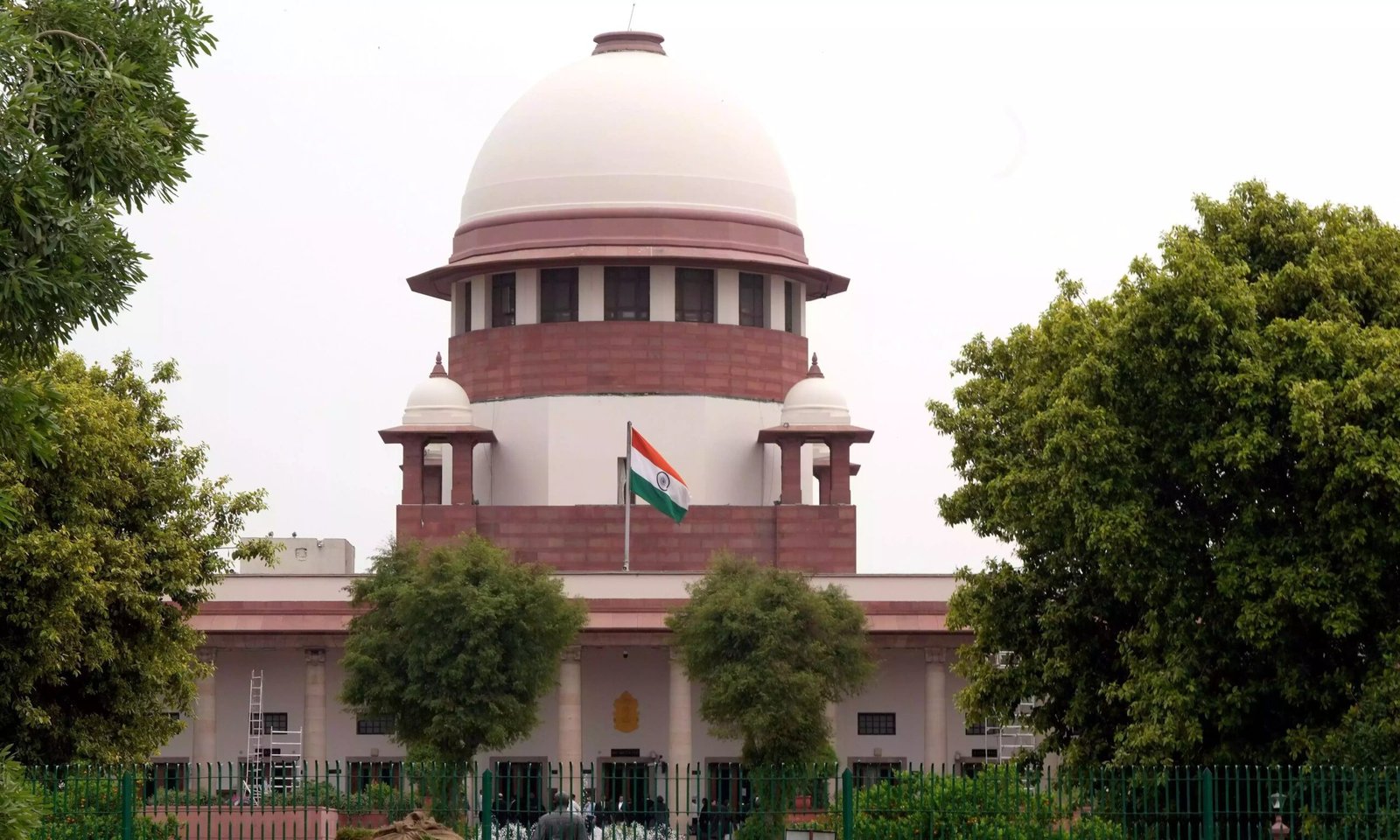
The long-running legal battle over the Krishna-Godavari (KG) Basin gas migration dispute has taken a dramatic turn. A Supreme Court bench comprising Chief Justice Surya Kant, Justice Joymalya Bagchi, and Justice Vipul M Pancholi has officially agreed to a fresh request by the Reliance Industries Ltd (RIL) consortium to explore an amicable, bilateral settlement with the Central Government.
This marks a significant shift in tone from just days prior (May 20), when the apex court had initially refused to halt proceedings, ordering the final hearings to commence regardless of the consortium’s desire to mediate.
What Changed in Court?
-
The Request: Senior Advocate Kapil Sibal, representing the RIL-led consortium, informed the bench that a formal plea for conciliation had officially been extended to the government.
-
The Government’s Stance: In a pivot from the state’s previous opposition, Attorney General R Venkataramani stated that the Centre is officially willing to consider the request and is not averse to exploring a bilateral dispute resolution process.
-
The Judicial Blessing: Welcoming the move, the CJI noted: “We will be most happy if the dispute is resolved through conciliation. If you come out with a settlement, we will dispose of the appeal.” The Supreme Court has subsequently adjourned all formal hearings until the third week of July 2026 to allow the mediation talks to progress.
The Core Dispute: What is at Stake?
The multi-billion dollar conflict centers around allegations of “gas migration” and “unjust enrichment” in the deep-water blocks off the coast of Andhra Pradesh.
The Backstory & Legal Timeline
-
The Core Allegation: The Union Government and ONGC alleged that the RIL-led consortium (comprising Reliance, UK-based BP Exploration, and Canada-based Niko Resources) unfairly siphoned and sold natural gas worth $1.55 billion to $1.73 billion (approx. ₹12,800 crore) that had naturally migrated from ONGC’s adjoining operational block into Reliance’s KG-D6 block.
-
The 2018 Arbitral Award: An international arbitration tribunal ruled 2:1 in favor of the RIL consortium. The panel concluded that the Production Sharing Contract (PSC) did not prohibit the extraction of migrated gas, provided the actual drilling and production occurred strictly within the consortium’s designated boundary line. The tribunal even ordered the government to pay $8.3 million in compensation to the firms.
-
The 2025 High Court Reversal: The Centre appealed the ruling. On February 14, 2025, a division bench of the Delhi High Court overturned a single-judge order and completely set aside the 2018 arbitral award. The High Court accepted the government’s stance, labeling the consortium’s extraction as “unjust enrichment.”
Why the Deferral Matters
The Supreme Court is currently reviewing the consortium’s direct appeal against that devastating February 2025 High Court order.
The willingness of both corporate heavyweight Reliance and the Union Government to step back from active litigation and enter conciliation rooms indicates a mutual desire to avoid a prolonged, winner-takes-all judicial verdict. A successful out-of-court settlement by July would bring closure to one of the most complex, high-stakes energy sector disputes in Indian corporate history.
