

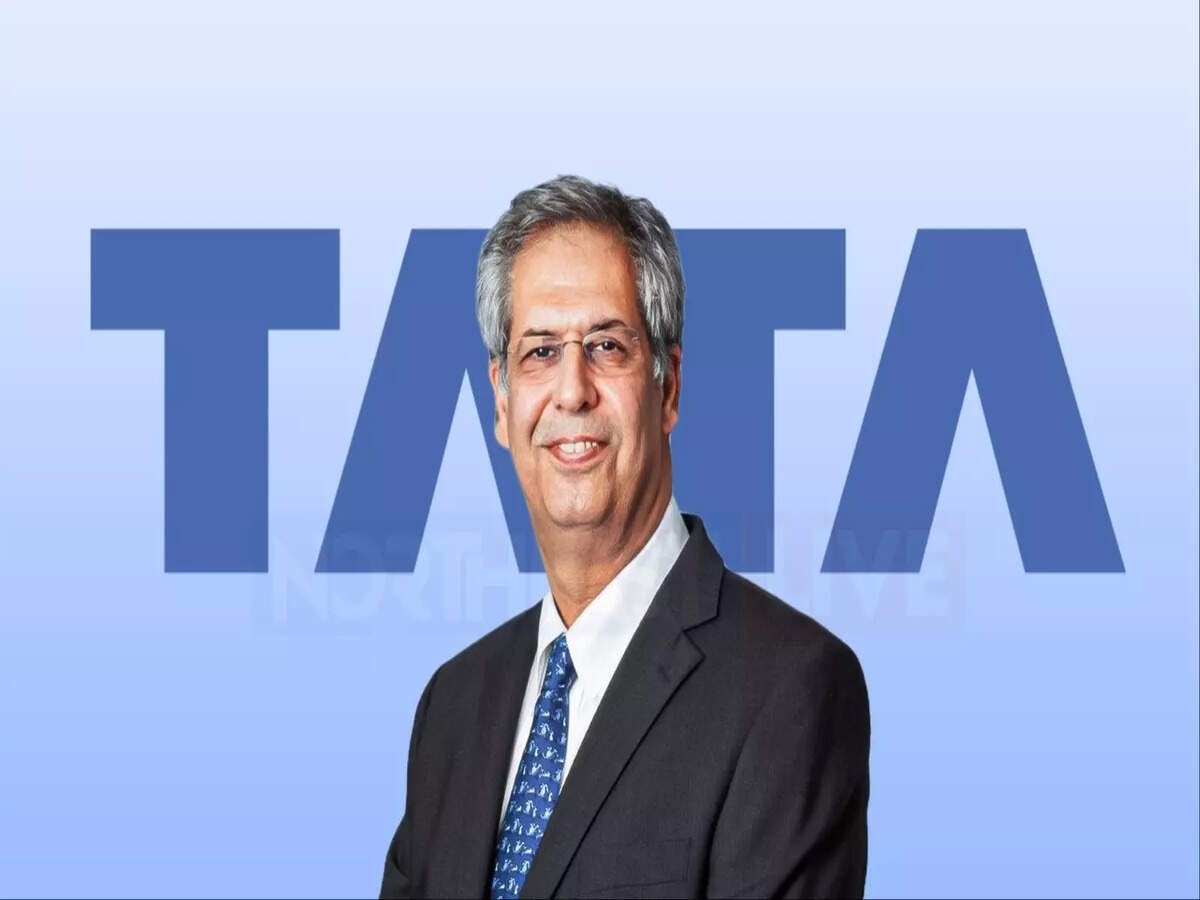
The passing of Ratan Tata has fundamentally transformed the operational dynamic within the Tata Group. Historically, decisions between the group’s holding company, Tata Sons, and its majority shareholder, Tata Trusts (which owns 66% of Tata Sons), were managed through informal consensus. Under the new leadership of Noel Tata as Chairman of Tata Trusts, that era of unilateral alignment has transitioned into formal trustee debates and visible internal friction.
1. The Battle for Board Representation & Trust Infighting
The first major fracture inside Tata Trusts erupted over who should represent the philanthropic trusts on the board of Tata Sons.
-
The Conflict: Trustees Mehli Mistry, Darius Khambata, Pramit Jhaveri, and Jehangir Jehangir opposed extending the term of existing nominee director Vijay Singh. Instead, they pushed for Mehli Mistry—one of Ratan Tata’s closest confidants—to be given a seat on the Tata Sons board.
-
The Institutional Stance: Noel Tata and Vice-Chairman Venu Srinivasan firmly blocked mid-term replacements, insisting that board selections must follow formal institutional processes rather than personal lobbying.
-
The Fallout: The internal alignment cracked open when Mehli Mistry’s own renewal as a trustee came up. In a rare break from Tata’s tradition of unanimous decisions, Noel Tata, Srinivasan, and Vijay Singh withheld their support, effectively ending Mistry’s tenure at Tata Trusts.
2. The Overdue Governance Remodel
Beyond individual board seats, Tata Trusts is pushing for structurally stronger oversight over Tata Sons’ business decisions. Trustees have raised serious questions regarding transparency, asserting that nominee directors have failed to adequately keep the Trusts informed on major corporate movements.
Additionally, the introduction of a new rule forcing nominee directors over the age of 75 to undergo annual performance reviews has created friction with old-guard board members.
3. Capital Allocation Friction & Delayed Leadership Extensions
The friction between the philanthropic trusts and the corporate holding company has directly impacted top-tier corporate planning. In February 2026, a Tata Sons board meeting was widely expected to clear a routine third term for Tata Sons Chairman N Chandrasekaran. Instead, the decision was deferred.
The Friction Point: Noel Tata raised critical questions regarding capital allocation under Chandrasekaran’s tenure. Specifically, the Trusts expressed deep concern over heavy losses in unlisted businesses (totaling Rs 10,905 crore in FY25), massive debt levels, and continuous cash burn in newer ventures like Air India, semiconductors, digital platforms, and electronics manufacturing.
Today’s Agenda: Mapping the Strategic Roadmap
While today’s high-stakes board huddle is unlikely to finalize Chandrasekaran’s third-term extension, it serves as a critical checkpoint for the group’s fiscal strategy. The board is addressing:
-
Unlisted Business Losses: Re-evaluating the commercial timelines and cash-burn limits for the group’s high-cost tech and aviation bets.
-
The IPO / Listing Dilemma: Navigating the regulatory pressure to take Tata Sons public following its classification as an “upper-layer” Non-Banking Financial Company (NBFC), a move that some Tata veterans warn could compromise the conglomerate’s tightly held structure.
