

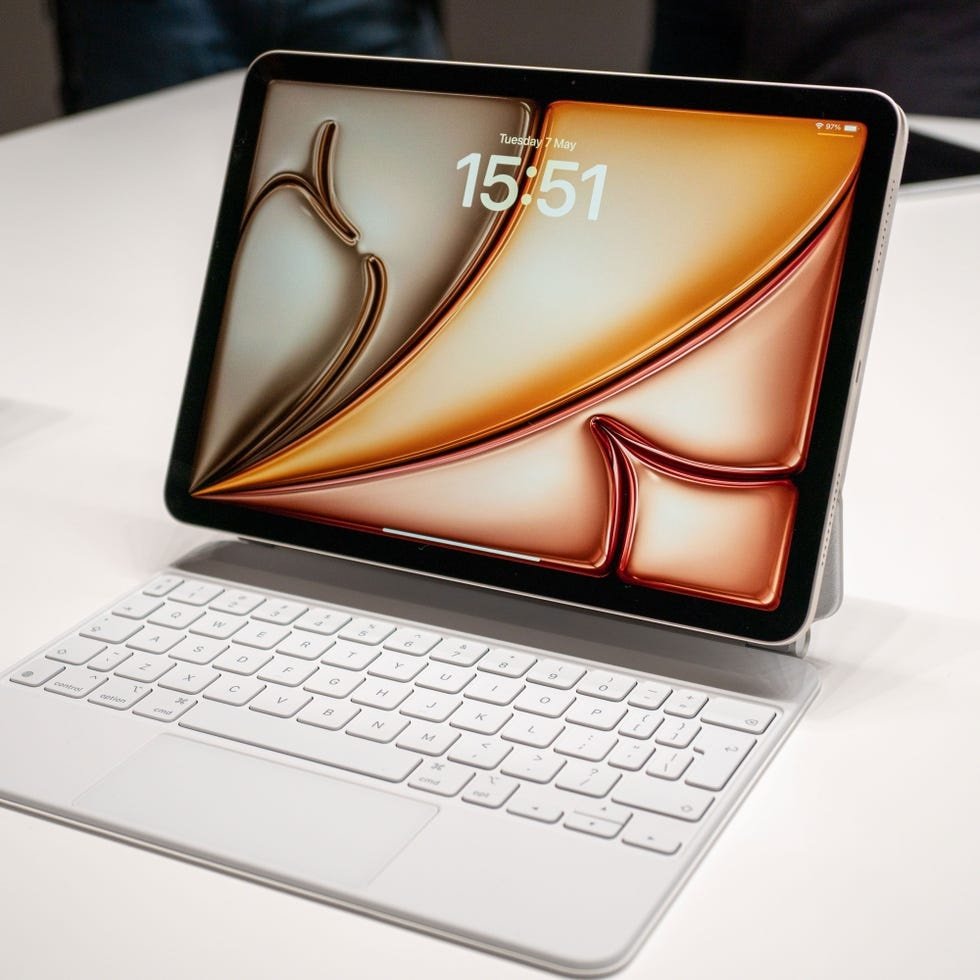
The debate over whether a tablet can truly replace a laptop has shifted in 2026. While tablets have become more powerful than ever, the “real” answer remains tied to your specific workflow.
As of April 14, 2026, here is the breakdown of how tablets stack up against laptops and which models are currently leading the market.
The Short Answer
Yes, a tablet can replace a laptop—but primarily for basic to moderate use cases. If your day involves web browsing, streaming, emails, and light document editing, a tablet offers superior portability and battery life. However, for “power users” (coders, video editors, and heavy multitaskers), the laptop remains king.
Top Tablet Picks (April 2026)
| Product | Key Highlights | Price (Approx.) |
| Xiaomi Pad 8 (Creator’s Edition) | Snapdragon 8s Gen 4, 3.2K Display, Focus Pen Pro | ₹43,999 |
| Samsung Galaxy Tab S10 Ultra | 14.6-inch AMOLED, S Pen included, 5G Support | ₹89,890 |
| Apple iPad Air (M3) | Built for Apple Intelligence, Liquid Retina Display | ₹57,990 |
| OnePlus Pad 3 | Snapdragon 8 Elite, 144Hz Refresh Rate, 12140mAh battery | ₹49,999 |
| Apple iPad 11″ (A16) | Budget-friendly entry into the Apple ecosystem | ₹33,900 |
Where Tablets Win vs. Where They Fall Short
The Advantages
-
Portability: Significantly thinner and lighter, making them ideal for travelers.
-
Battery Life: Tablets now average 8 to 15 hours, outclassing many standard laptops.
-
Intuitive Input: Touchscreens and styluses (like the S Pen or Apple Pencil) are far better for digital art, note-taking, and signing documents.
-
Versatility: You can use them as a handheld slate or attach a keyboard for a desktop-like experience.
The Limitations
-
Heavy Workloads: Processing large datasets, compiling complex code, or rendering 4K video
