

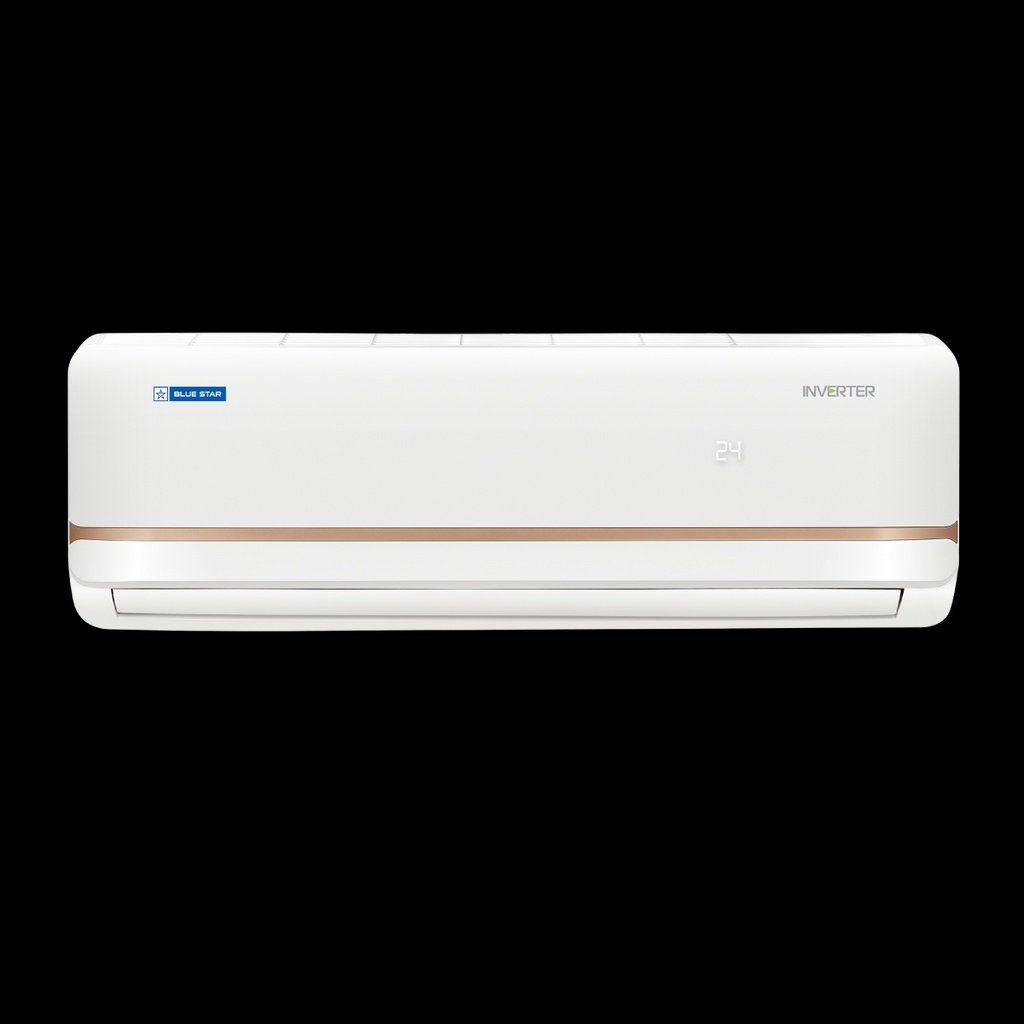
In the Indian summer, the standard 1.5-ton AC is often the go-to choice for living rooms. However, many homeowners find that despite the “on-paper” specs, their units struggle to maintain a comfortable temperature on peak heat days. Upgrading to a 2-ton AC can solve these cooling woes, but as a recent report from April 14, 2026, highlights, the switch comes with specific “catches” you need to consider.
Why 1.5 Tons Often Fails in Living Rooms
The struggle usually isn’t due to a faulty unit, but rather an underestimated heat load. A 1.5-ton AC typically covers 150–170 sq. ft., but living rooms often have factors that push them beyond this limit:
-
Open Layouts: Living rooms often open into corridors or kitchens, increasing the volume of air to cool.
-
Sun Exposure: Large windows or being on a top floor significantly increases heat absorption.
-
Occupancy: Living rooms host more people than bedrooms, and every person adds to the thermal load.
Top 2-Ton AC Picks (2026 Models)
If you’ve decided to upgrade, here are the leading 2-ton models currently available:
| Brand & Model | Efficiency | Key Features | Current Price |
| Whirlpool 3D Cool | 3 Star | 4-in-1 Convertible, HD Filter | ₹41,490 |
| Carrier Flexicool | 3 Star | 6-in-1, Wi-Fi, Geo-Fencing | ₹46,990 |
| Panasonic Premium | 3 Star | Matter Enabled, AI, PM 0.1 Filter | ₹50,990 |
| LG DUAL Inverter | 3 Star | AI Convertible, 4-Way Swing | ₹50,990 |
| Hitachi Xpandable+ | 5 Star | ice Clean, 4-Way Swing | ₹59,999 |
The “Catch”: What to Watch Out For
Before making the jump to a larger capacity, be aware of these trade-offs:
-
Higher Upfront and Hidden Costs: 2-ton units are more expensive, and installation can cost more because the outdoor units are significantly heavier and larger, requiring sturdier wall brackets.
-
Electrical Requirements: A 2-ton AC draws more current. You must ensure your home’s wiring and MCB (Miniature Circuit Breaker) can handle the increased load to avoid tripping or safety hazards.
-
The “Oversizing” Trap: If your room is actually small, a 2-ton AC will cool the space so quickly that it won’t run long enough to remove humidity. This can leave the room feeling “cold and clammy” rather than comfortable.
-
Space Requirements: The outdoor unit (ODU) for a 2-ton AC is bulky. Ensure your balcony or mounting area has enough clearance for proper airflow.
Who Should Definitely Choose a 2-Ton AC?
-
Large Spaces: Any room consistently larger than 180–200 sq. ft.
-
Top Floor Residents: If your roof is exposed to direct midday sun.
-
High Ceilings: If your ceiling height is 10 feet or more, you are cooling a much larger volume of air.
-
Regional Climate: If you live in an area where temperatures regularly cross 45°C.
Pro Tip: If you’re worried about electricity bills, opt for a 5-star inverter model. While the initial cost is higher, the inverter technology allows a 2-ton AC to run at lower power once the room is cool, often making it more efficient than a 1.5-ton unit that has to run at 100% capacity non-stop.
In the Indian summer, the standard 1.5-ton AC is often the go-to choice for living rooms. However, many homeowners find that despite the “on-paper” specs, their units struggle to maintain a comfortable temperature on peak heat days. Upgrading to a 2-ton AC can solve these cooling woes, but as a recent report from April 14, 2026, highlights, the switch comes with specific “catches” you need to consider.
Why 1.5 Tons Often Fails in Living Rooms
The struggle usually isn’t due to a faulty unit, but rather an underestimated heat load. A 1.5-ton AC typically covers 150–170 sq. ft., but living rooms often have factors that push them beyond this limit:
-
Open Layouts: Living rooms often open into corridors or kitchens, increasing the volume of air to cool.
-
Sun Exposure: Large windows or being on a top floor significantly increases heat absorption.
-
Occupancy: Living rooms host more people than bedrooms, and every person adds to the thermal load.
Top 2-Ton AC Picks (2026 Models)
If you’ve decided to upgrade, here are the leading 2-ton models currently available:
| Brand & Model | Efficiency | Key Features | Current Price |
| Whirlpool 3D Cool | 3 Star | 4-in-1 Convertible, HD Filter | ₹41,490 |
| Carrier Flexicool | 3 Star | 6-in-1, Wi-Fi, Geo-Fencing | ₹46,990 |
| Panasonic Premium | 3 Star | Matter Enabled, AI, PM 0.1 Filter | ₹50,990 |
| LG DUAL Inverter | 3 Star | AI Convertible, 4-Way Swing | ₹50,990 |
| Hitachi Xpandable+ | 5 Star | ice Clean, 4-Way Swing | ₹59,999 |
The “Catch”: What to Watch Out For
Before making the jump to a larger capacity, be aware of these trade-offs:
-
Higher Upfront and Hidden Costs: 2-ton units are more expensive, and installation can cost more because the outdoor units are significantly heavier and larger, requiring sturdier wall brackets.
-
Electrical Requirements: A 2-ton AC draws more current. You must ensure your home’s wiring and MCB (Miniature Circuit Breaker) can handle the increased load to avoid tripping or safety hazards.
-
The “Oversizing” Trap: If your room is actually small, a 2-ton AC will cool the space so quickly that it won’t run long enough to remove humidity. This can leave the room feeling “cold and clammy” rather than comfortable.
-
Space Requirements: The outdoor unit (ODU) for a 2-ton AC is bulky. Ensure your balcony or mounting area has enough clearance for proper airflow.
Who Should Definitely Choose a 2-Ton AC?
-
Large Spaces: Any room consistently larger than 180–200 sq. ft.
-
Top Floor Residents: If your roof is exposed to direct midday sun.
-
High Ceilings: If your ceiling height is 10 feet or more, you are cooling a much larger volume of air.
-
Regional Climate: If you live in an area where temperatures regularly cross 45°C.
Pro Tip: If you’re worried about electricity bills, opt for a 5-star inverter model. While the initial cost is higher, the inverter technology allows a 2-ton AC to run at lower power once the room is cool, often making it more efficient than a 1.5-ton unit that has to run at 100% capacity non-stop.
