

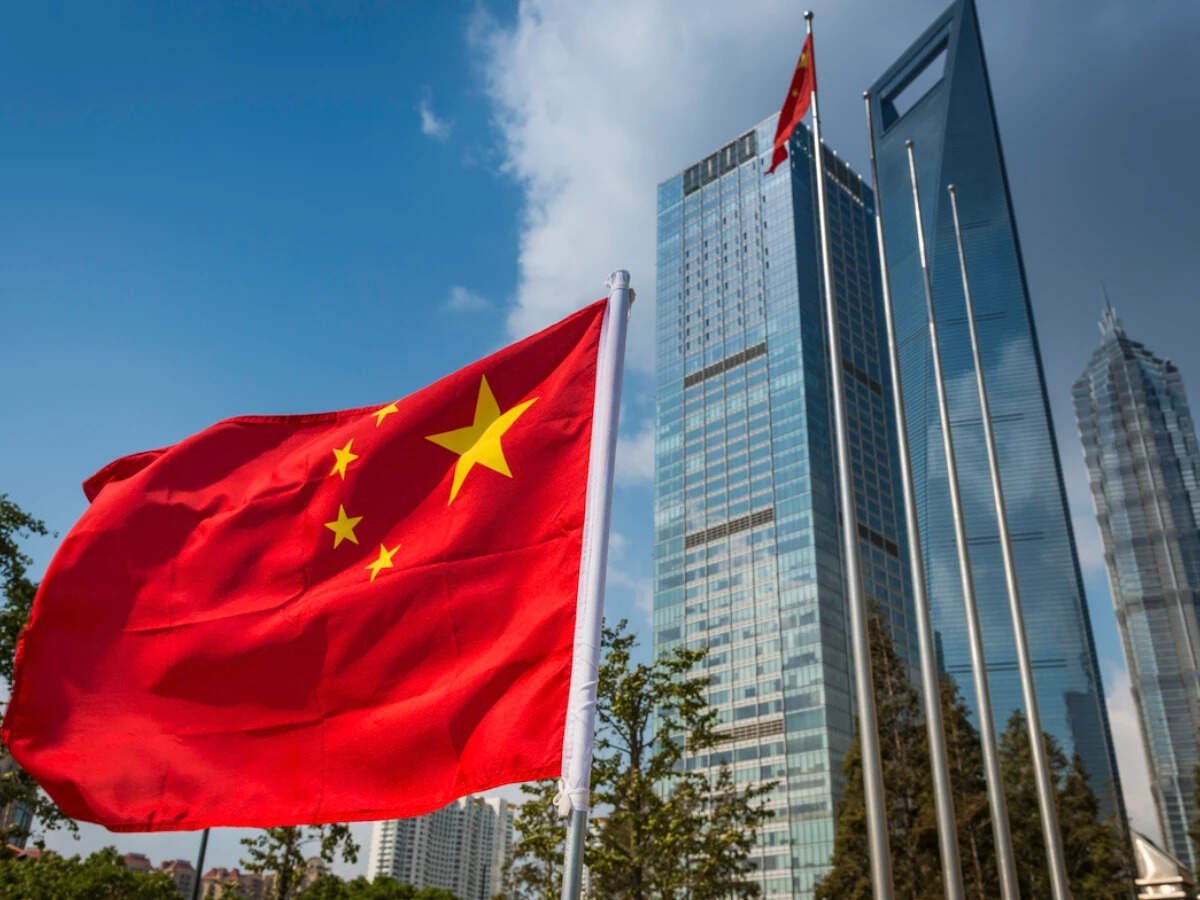
In a coordinated fiscal push, China’s Ministry of Finance has initiated a massive $54 billion capital injection targeting leading state-owned commercial banks and insurance giants. The move is designed to strengthen financial buffers, sustain credit expansion, and stabilize market confidence amid slowing domestic loan growth and broader global economic headwinds.
Key Breakdown of the Capital Injections
-
State Lenders Receive the Lion’s Share: Three major state-backed banks are set to absorb approximately $43 billion of the total package.
-
Agricultural Bank of China (ABC) and Industrial and Commercial Bank of China (ICBC) plan to raise up to $23.8 billion and $14.9 billion, respectively, through private A-share placements primarily directed to the finance ministry and state entities like China National Tobacco Corp.
-
The Export-Import Bank of China is also receiving a direct capital infusion from the Ministry of Finance.
-
-
State Insurers Capitalized: Major insurance institutions are being shored up with billions to enhance solvency margins and risk-resistance.
-
China Life Insurance (the country’s largest life insurer) is slated to receive $5.2 billion.
-
Other participants include China Taiping Insurance Group, China Export and Credit Insurance Corp, and China Reinsurance (Group).
-
Strategic Objectives Behind the Move
-
Replenishing Tier 1 Capital: Major Chinese banks have faced margin compression and a slowdown in loan growth—hitting multi-year lows—necessitating a core Tier 1 capital replenishment to maintain lending capabilities.
-
Backing the Broader Economy: State insurers previously directed by Beijing to support domestic equities using medium- and long-term funds will find their solvency ratios reinforced, allowing them to absorb higher-risk portfolios and help stabilize local markets.
This large-scale intervention highlights Beijing’s proactive fiscal stance to insulate its core financial architecture against external shocks and internal credit slowdowns.
