

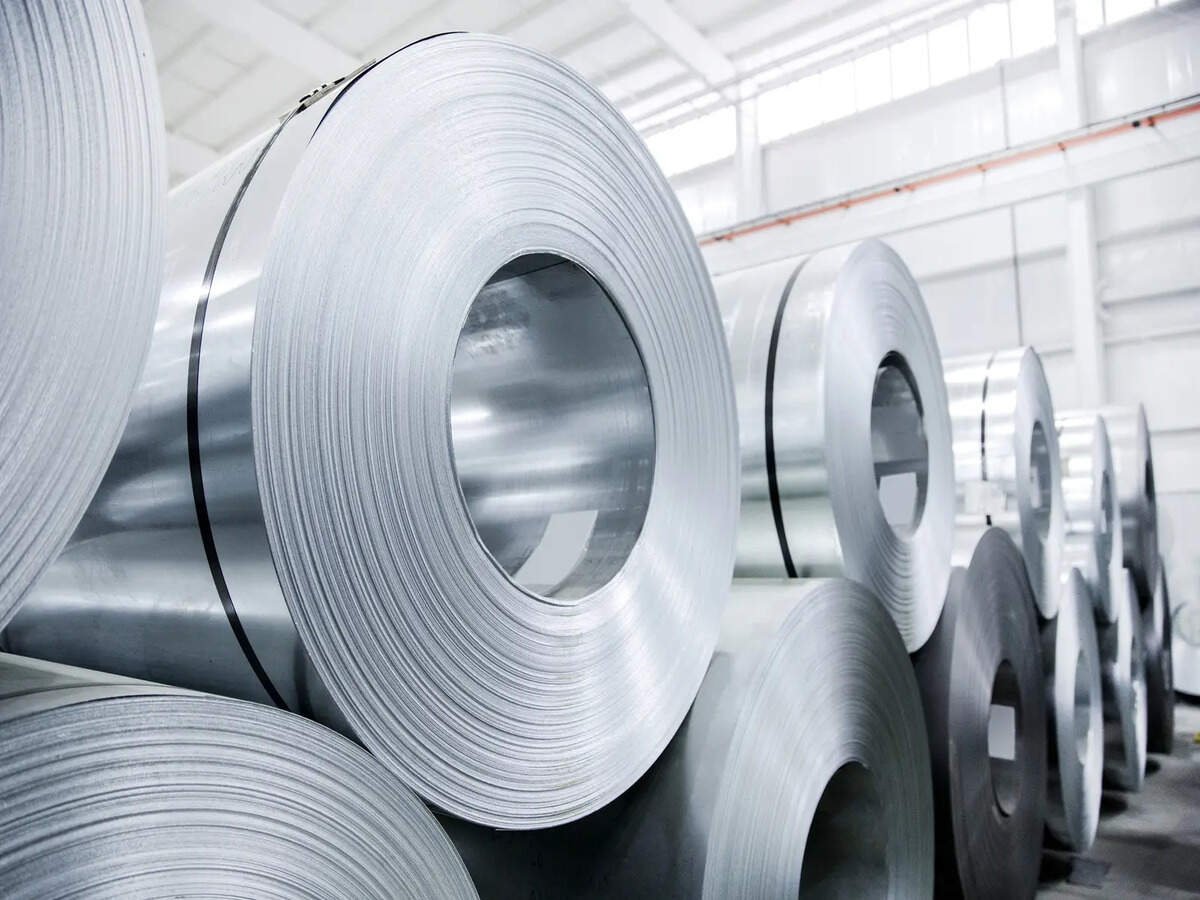
A severe escalation in geopolitical tensions has triggered an intense supply squeeze across global base metals. LME Aluminium soared to its highest level since March 2022, trading at $3,685 a metric ton in official rings after hitting an intra-day peak of $3,707.50.
The price spike follows recent direct military exchanges between the U.S. and Iran, raising catastrophic concerns over shipping logistics in a region that controls approximately 9% of global aluminium smelting capacity.
1. The Mechanics of the Supply Choke
The primary bottleneck stems from the operational paralysis of the Strait of Hormuz. The closure of this vital maritime corridor has cut off a double-sided supply chain:
[Raw Materials: Alumina / Bauxite] ──> (Strait of Hormuz Blocked) ──X [Middle East Smelters (9% Global Capacity)]
                                                                               │
[Finished Aluminium Exports]       <── (Strait of Hormuz Blocked) ──X ────────┘
-
Export Freeze: Smelters in the Middle East cannot ship out refined aluminium to global manufacturers of automobiles, aviation infrastructure, and consumer goods.
-
Import Starvation: These same smelting facilities are running out of raw materials (like alumina and bauxite) required to keep their furnaces operational, as inbound cargo vessels cannot cross the strait.
-
The Deficit Outlook: Driven by these outages, commodities analysts are projecting a massive structural deficit in the aluminium market this year, with initial forecasts climbing above 2 million tons.
2. Deep “Backwardation” Signals Panic Buying
The urgency for immediate delivery has completely distorted the London Metal Exchange (LME) pricing curve. The cash-to-three-month aluminium premium rocketed to a 19-year high above $100 a ton.
Understanding Backwardation: In a normal market, future contracts are more expensive than spot prices because they factor in storage and insurance costs. When a market enters extreme backwardation, the spot price drastically exceeds future contracts. This is a definitive mathematical signal that buyers are panicking to secure immediate physical inventory, disregarding future pricing entirely.
3. The Copper Tariff Build-up
While aluminium dominates the headlines, LME Copper scaled 1.5% to reach $13,840 a ton, driven by its own highly unique regulatory framework:
-
The U.S. Inventory Glut: Following an executive order in February 2025 initiating an investigation into copper import tariffs, Comex warehouses have seen their inventories skyrocket by over 550% to 580,762 metric tons.
-
The June Deadline: U.S. commercial buyers have been aggressively importing and stockpiling copper to get ahead of the White House’s upcoming late-June deadline on whether to implement sweeping import tariffs. Outside the U.S., weak mining output combined with expanding manufacturing activity in China (marking 6 consecutive months of expansion) keeps global supply exceptionally tight.
LME Base Metal Performance Snapshot (June 1, 2026)
| Metal | Current Price (per Ton) | Session Gain | Primary Market Driver |
| Tin | $56,590 | +2.0% | Structural electronics demand & supply bottlenecks. |
| Copper | $13,840 | +1.5% | Pre-tariff U.S. stockpiling; tight global mine supply. |
| Zinc | $3,576 | +1.0% | Supported by expanding Chinese factory output. |
| Aluminium | $3,685 | +0.5% | Middle East supply shock & 19-year high backwardation. |
| Lead | $2,021 | +0.2% | Stable automotive replacement cycle demand. |
| Nickel | $19,275 | Flat | Balanced by high Indonesian output matching demand. |
A severe escalation in geopolitical tensions has triggered an intense supply squeeze across global base metals. LME Aluminium soared to its highest level since March 2022, trading at $3,685 a metric ton in official rings after hitting an intra-day peak of $3,707.50.
The price spike follows recent direct military exchanges between the U.S. and Iran, raising catastrophic concerns over shipping logistics in a region that controls approximately 9% of global aluminium smelting capacity.
1. The Mechanics of the Supply Choke
The primary bottleneck stems from the operational paralysis of the Strait of Hormuz. The closure of this vital maritime corridor has cut off a double-sided supply chain:
[Raw Materials: Alumina / Bauxite] ──> (Strait of Hormuz Blocked) ──X [Middle East Smelters (9% Global Capacity)]
                                                                               │
[Finished Aluminium Exports]       <── (Strait of Hormuz Blocked) ──X ────────┘
-
Export Freeze: Smelters in the Middle East cannot ship out refined aluminium to global manufacturers of automobiles, aviation infrastructure, and consumer goods.
-
Import Starvation: These same smelting facilities are running out of raw materials (like alumina and bauxite) required to keep their furnaces operational, as inbound cargo vessels cannot cross the strait.
-
The Deficit Outlook: Driven by these outages, commodities analysts are projecting a massive structural deficit in the aluminium market this year, with initial forecasts climbing above 2 million tons.
2. Deep “Backwardation” Signals Panic Buying
The urgency for immediate delivery has completely distorted the London Metal Exchange (LME) pricing curve. The cash-to-three-month aluminium premium rocketed to a 19-year high above $100 a ton.
Understanding Backwardation: In a normal market, future contracts are more expensive than spot prices because they factor in storage and insurance costs. When a market enters extreme backwardation, the spot price drastically exceeds future contracts. This is a definitive mathematical signal that buyers are panicking to secure immediate physical inventory, disregarding future pricing entirely.
3. The Copper Tariff Build-up
While aluminium dominates the headlines, LME Copper scaled 1.5% to reach $13,840 a ton, driven by its own highly unique regulatory framework:
-
The U.S. Inventory Glut: Following an executive order in February 2025 initiating an investigation into copper import tariffs, Comex warehouses have seen their inventories skyrocket by over 550% to 580,762 metric tons.
-
The June Deadline: U.S. commercial buyers have been aggressively importing and stockpiling copper to get ahead of the White House’s upcoming late-June deadline on whether to implement sweeping import tariffs. Outside the U.S., weak mining output combined with expanding manufacturing activity in China (marking 6 consecutive months of expansion) keeps global supply exceptionally tight.
LME Base Metal Performance Snapshot (June 1, 2026)
| Metal | Current Price (per Ton) | Session Gain | Primary Market Driver |
| Tin | $56,590 | +2.0% | Structural electronics demand & supply bottlenecks. |
| Copper | $13,840 | +1.5% | Pre-tariff U.S. stockpiling; tight global mine supply. |
| Zinc | $3,576 | +1.0% | Supported by expanding Chinese factory output. |
| Aluminium | $3,685 | +0.5% | Middle East supply shock & 19-year high backwardation. |
| Lead | $2,021 | +0.2% | Stable automotive replacement cycle demand. |
| Nickel | $19,275 | Flat | Balanced by high Indonesian output matching demand. |
